
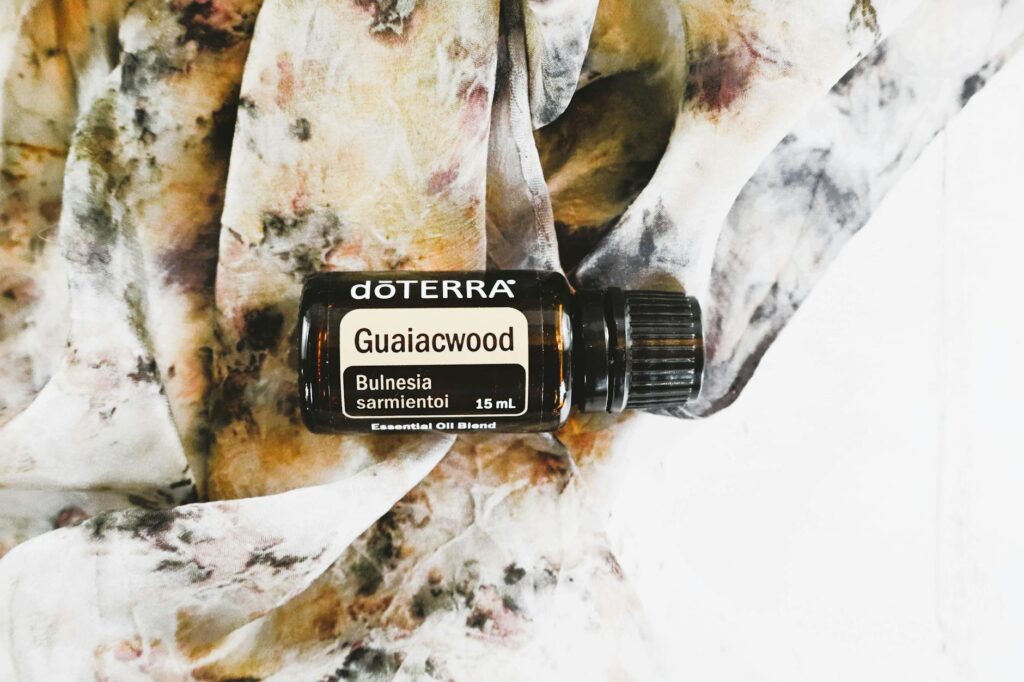
Aromatherapy Uses of Woodsy Essential Oil Blends
Introduction
Aromatherapy, an ancient practice rooted in using plant extracts for therapeutic benefits, has gained popularity in modern wellness circles. One particularly inviting category of essential oils is woodsy blends, which evoke the calming, grounding essence of forests and nature. This article explores the characteristics, benefits, and applications of woodsy essential oil blends, providing a comprehensive understanding for anyone looking to incorporate these aromatic treasures into their wellness routine.
What Is Woodsy Essential Oil Blends?
Woodsy essential oil blends are composed of oils derived from tree species, shrubs, and other woody plants. Common sources of woodsy essential oils include cedarwood, sandalwood, pine, fir, and cypress. Each of these oils carries unique properties and aromatic profiles, often characterized by their deep, earthy, and grounding scents. When combined, these oils create harmonious blends that can evoke feelings of tranquility and connection to nature.
Woodsy essential oils can be obtained through various extraction methods, including steam distillation and cold pressing. The resulting oils capture the essence of the plants, offering a rich sensory experience that can be both uplifting and calming.
Key Benefits and Properties
Woodsy essential oil blends are celebrated for their diverse range of benefits:
- Grounding: The deep, earthy aromas of woodsy oils are known for their ability to ground individuals, providing a sense of stability and balance.
- Relaxation: Many woodsy oils have calming properties, making them ideal for reducing stress and promoting relaxation.
- Air Purification: Certain woodsy oils, like cedarwood and pine, possess antimicrobial properties, which can help purify the air in indoor environments.
- Emotional Support: The scents of woodsy oils can evoke feelings of nostalgia or connection to nature, aiding in emotional well-being and mental clarity.
- Spiritual Connection: In many cultures, woodsy scents are used in spiritual practices, enhancing meditation and mindfulness.
- Diffusion: Adding a few drops of woodsy essential oil blends to a diffuser can fill a room with their grounding aroma, creating a serene atmosphere for relaxation, meditation, or study.
- Topical Application: When diluted with a carrier oil, woodsy essential oils can be applied to the skin, offering both aromatic benefits and potential skin nourishment (provided that individual skin sensitivities are considered).
- Baths: Incorporating a few drops of woodsy oils into a warm bath can enhance relaxation and help unwind after a long day.
- Household Cleaning: Woodsy oils with antimicrobial properties can be added to homemade cleaning solutions, providing a natural alternative to commercial products.
- Dilution: Always dilute essential oils with a carrier oil before topical application. This reduces the risk of skin irritation.
- Patch Test: Conduct a patch test when using a new essential oil to check for allergic reactions or sensitivities.
- Pregnancy and Nursing: Consult a healthcare professional before using essential oils during pregnancy or while nursing.
- Children and Pets: Certain essential oils may not be safe for young children or pets. Research specific oils and consider consulting with a professional.
- Health Conditions: Individuals with certain health conditions or those taking medications should consult with healthcare providers before using essential oils.
- Storage: Keep woodsy essential oils in dark glass bottles, away from direct sunlight and heat sources. This helps preserve their aromatic properties and extends their shelf life.
- Temperature: Store essential oils in a cool, dry place. Extreme temperatures can degrade the oils.
- Shelf Life: Most essential oils have a shelf life of 1-3 years, depending on the specific oil and how it is stored. Always check for any changes in aroma or viscosity before use.
These properties make woodsy essential oil blends versatile tools for enhancing emotional and physical well-being.
Common Uses
Woodsy essential oil blends can be employed in various ways, including:
Each of these applications can contribute to a holistic approach to wellness that incorporates the calming effects of nature.
Aromatherapy Applications
1. Relaxation and Stress Relief
Creating a peaceful environment is essential for relaxation. Use blends like cedarwood and sandalwood in a diffuser or as part of a massage oil to promote a calming atmosphere. The natural aromas can help reduce anxiety levels and encourage a sense of serenity.
2. Meditation and Mindfulness
Woodsy essential oils are often used in meditation practices. Oils such as frankincense (though technically a resin) can be blended with woodsy oils to enhance focus and deep breathing. Incorporate these blends into your meditation space, or apply them to pulse points before beginning your practice.
3. Sleep Enhancement
Many people struggle with sleep disturbances. Woodsy oils like vetiver and cedarwood are believed to promote deeper sleep. Diffusing these oils in the evening or adding them to a nighttime bath can create an ideal pre-sleep ritual.
4. Emotional Balance
For emotional support, blends that include oils like sandalwood or patchouli can help ground and stabilize feelings. These oils can be useful in moments of emotional upheaval, providing a comforting presence.
5. Air Purification
Using woodsy essential oils in cleaning products or diffusers can help purify indoor air. Oils such as pine and tea tree (though not woodsy, often paired) can contribute to a fresher, cleaner atmosphere, especially in spaces where people gather.
Safety Considerations
While woodsy essential oils are generally safe for most people, it is essential to consider the following safety guidelines:
By following these precautions, you can safely enjoy the benefits of woodsy essential oils.
Storage and Shelf Life
Proper storage is crucial for maintaining the quality and efficacy of essential oils. Here are some guidelines:
Frequently Asked Questions
1. Are woodsy essential oils safe for diffusers?
Yes, woodsy essential oils are generally safe for use in diffusers. They can create a calming and grounding atmosphere.
2. Can I mix different woodsy oils?
Absolutely! Blending different woodsy oils can create unique aromas tailored to your preferences. Experiment with various combinations to find what resonates with you.
3. How can I use woodsy essential oils for emotional support?
You can use woodsy oils in meditation, as part of your skincare routine, or simply by inhaling them directly from the bottle or diffuser to help promote emotional balance.
4. What carrier oils are best for diluting woodsy essential oils?
Common carrier oils include jojoba oil, sweet almond oil, and fractionated coconut oil. Choose one based on your skin type and preferences.
5. Can I use woodsy essential oils in homemade cleaning products?
Yes, many woodsy essential oils, such as cedarwood and pine, have antimicrobial properties, making them excellent additions to natural cleaning solutions.
Conclusion
Woodsy essential oil blends offer a wealth of benefits, from promoting relaxation and grounding emotions to purifying the air and enhancing meditation practices. By understanding their properties and applications, one can effectively incorporate these natural aromas into daily life. As with any essential oil, always approach with consideration for safety and personal sensitivities. The enchanting scents of woodsy oils can serve as a bridge to nature, enriching the mind and spirit in numerous ways.