
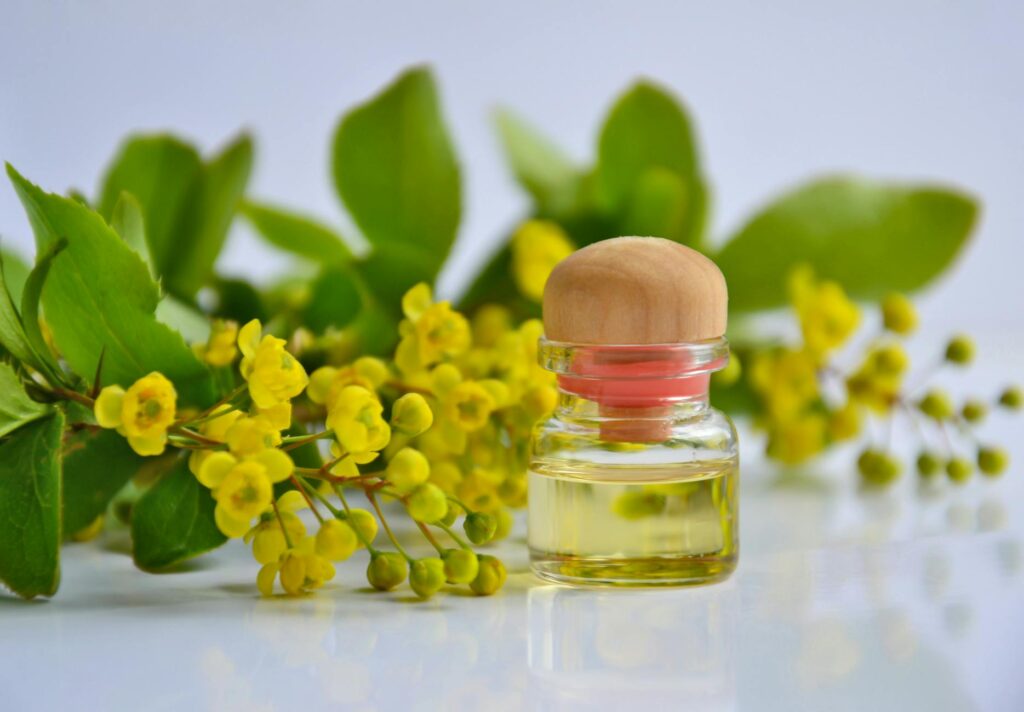
Aromatherapy Uses of Woodsy Extracts
Introduction
Aromatherapy, the therapeutic use of essential oils derived from plants, has been practiced for centuries across various cultures. Among the diverse range of essential oils available, woodsy extracts stand out for their grounding and calming properties. These oils, derived from trees and other woody plants, not only evoke a connection to nature but also offer a unique blend of aromatic profiles that can enhance emotional and physical well-being. This article explores the myriad uses of woodsy extracts in aromatherapy, their benefits, common applications, and considerations for safe usage.
What Is Woodsy Extracts?
Woodsy extracts refer to essential oils obtained from the bark, wood, leaves, and roots of trees and woody plants. These oils typically possess rich, earthy scents that can range from sweet and resinous to dry and smoky. Common sources of woodsy extracts include cedarwood, sandalwood, pine, fir, and cypress. The extraction methods for these oils generally involve steam distillation or cold pressing, ensuring the preservation of their aromatic and therapeutic properties.
Common Woodsy Essential Oils
1. Cedarwood (Cedrus atlantica): Known for its warm, woody aroma, cedarwood oil is often associated with feelings of stability and peace.
2. Sandalwood (Santalum album): Renowned for its rich and creamy scent, sandalwood is frequently used in meditation practices.
3. Pine (Pinus sylvestris): This oil has a fresh, invigorating aroma reminiscent of a forest, often used to promote clarity and focus.
4. Fir (Abies balsamea): Fir oils are celebrated for their fresh, clean fragrances that evoke feelings of rejuvenation and vitality.
5. Cypress (Cupressus sempervirens): With its slightly spicy and woody scent, cypress oil is often linked to feelings of calm and comfort.
Key Benefits and Properties
Woodsy extracts are valued not only for their pleasant aromas but also for their unique properties. Some of the key benefits of woodsy essential oils include:
- Grounding Effects: Many woodsy oils are known for their ability to promote feelings of stability and grounding, making them ideal for reducing anxiety and stress.
- Antimicrobial Properties: Certain woodsy oils, such as cedarwood and pine, have natural antimicrobial properties, which can help purify the air and create a healthier environment.
- Emotional Balance: Woodsy extracts are often used in aromatherapy to help balance emotions, providing a sense of calm and tranquility.
- Respiratory Support: Some woodsy oils, like pine and fir, may help open airways and promote easier breathing, making them beneficial during respiratory discomfort.
- Diffusion: Woodsy oils can be added to a diffuser to fill a room with their calming aroma, creating a tranquil atmosphere.
- Massage: When diluted with a carrier oil, woodsy essential oils can be used in massage therapy to promote relaxation and relieve tension.
- Bathing: Adding a few drops of woodsy oil to a warm bath can enhance the experience, providing both aromatic pleasure and relaxation.
- Inhalation: Inhaling the aroma of woodsy oils directly from the bottle or via steam inhalation can help improve mood and provide respiratory support.
- Household Products: Woodsy essential oils can be incorporated into homemade cleaning products, providing natural antimicrobial properties and a pleasant scent.
- Dilution: Always dilute essential oils with a carrier oil before applying them to the skin to avoid irritation or allergic reactions.
- Patch Test: Conduct a patch test on a small area of skin to check for any adverse reactions before widespread application.
- Avoid During Pregnancy: Some woodsy oils may not be suitable for use during pregnancy or breastfeeding, so consulting an expert is advised.
- Storage: Store essential oils in a cool, dark place and away from direct sunlight to maintain their integrity.
- Containers: Store essential oils in dark glass bottles to protect them from light and oxidation.
- Temperature: Keep oils in a cool environment, ideally below 70°F (21°C).
- Shelf Life: Most woodsy essential oils have a shelf life of 2-5 years when stored correctly, but this can vary. Always check for changes in aroma, consistency, or color before use.
Common Uses
Woodsy extracts find a variety of applications in both aromatherapy and everyday life. Here are some common uses:
Aromatherapy Applications
The applications of woodsy extracts in aromatherapy can be diverse. Here are several methods to integrate these oils into your wellness routine:
Diffusion
Using a diffuser is one of the most popular ways to enjoy the benefits of woodsy extracts. Simply add a few drops of your chosen oil to water in a diffuser and allow the aroma to permeate your space. This method is effective for creating an inviting atmosphere during meditation, yoga, or relaxation sessions.
Massage Blends
To create a calming massage blend, mix woodsy essential oils with a carrier oil such as jojoba or sweet almond oil. A common ratio is 2-3 drops of essential oil per tablespoon of carrier oil. This blend can be applied during massage therapy sessions to enhance relaxation and alleviate tension.
Personal Inhalers
Personal inhalers are small devices that allow you to carry your favorite scents with you. Simply add a few drops of woodsy oil to the cotton wick inside the inhaler. Whenever you feel the need for a calming aroma, simply inhale through the device.
Bath Soaks
For a soothing bath experience, add 5-10 drops of woodsy essential oil to a warm bath. The heat will help disperse the oil, allowing the aroma to envelop you as you soak. This practice can be particularly beneficial after a long day, promoting relaxation and stress relief.
Crafting Aromatic Products
Woodsy essential oils can be used to create a variety of homemade products, such as candles, lotions, or room sprays. Incorporating these oils into your DIY projects not only enhances the sensory experience but also adds natural benefits to your creations.
Safety Considerations
While woodsy extracts are generally considered safe for use in aromatherapy, it is essential to follow certain precautions:
Storage and Shelf Life
Proper storage of woodsy extracts is crucial for preserving their aromatic and therapeutic qualities. Here are some recommendations:
Frequently Asked Questions
1. Can I mix different woodsy oils?
Yes, blending different woodsy oils can create unique aromatic profiles and enhance the overall benefits. Common combinations include cedarwood with sandalwood or pine with fir.
2. Are woodsy essential oils safe for children?
Some woodsy oils may be safe for children when diluted appropriately, but it is advisable to consult with a qualified aromatherapist for guidance.
3. How do I choose the right woodsy oil for my needs?
Consider your intended use and the specific benefits you seek. For example, cedarwood may be ideal for grounding, while pine could be more suitable for invigorating energy.
4. Can I use woodsy oils in cooking or food products?
Essential oils are highly concentrated and should not be used in food unless they are specifically labeled as safe for culinary use. Always check the labeling before consumption.
5. What are some popular blends that include woodsy oils?
Popular blends often combine woodsy oils with citrus or floral scents. For instance, cedarwood mixed with lavender creates a calming and relaxing atmosphere, while pine combined with lemon can invigorate and uplift.
Conclusion
Woodsy extracts offer a rich tapestry of scents and benefits that make them a valuable addition to any aromatherapy practice. From promoting emotional balance to enhancing relaxation, these oils provide a powerful connection to the natural world. By understanding their properties, uses, and safety considerations, individuals can effectively incorporate woodsy extracts into their wellness routines, fostering a deeper connection with nature while enhancing overall well-being.