
Aromatherapy Uses of Ylang Ylang Oil Safety
Introduction
Ylang ylang oil, derived from the flowers of the Cananga odorata tree, is a popular essential oil in the realm of aromatherapy. With its exotic fragrance and numerous purported benefits, ylang ylang has gained significant attention among enthusiasts and practitioners. However, as with any essential oil, understanding its safety profile is crucial for effective and responsible use. This article delves into the safety considerations associated with ylang ylang oil, providing insights into its properties, applications, and best practices for storage.
What Is Ylang Ylang Oil Safety?
Ylang ylang oil is extracted through steam distillation or solvent extraction from the blossoms of the ylang ylang tree, which is native to tropical regions of Asia. The oil is characterized by its sweet, floral aroma, which can evoke feelings of relaxation and calmness.
When discussing the safety of ylang ylang oil, it is essential to consider several factors, including the oil’s purity, potential skin sensitivity, and proper usage guidelines. Ylang ylang oil is generally regarded as safe for most individuals when used correctly. However, certain precautions should be observed, especially for those with specific health conditions or sensitivities.
Key Benefits and Properties
Ylang ylang oil is celebrated for its diverse range of properties, which include:
- Mood Enhancement: The sweet scent is often used to alleviate stress and anxiety, promoting a sense of emotional well-being.
- Aphrodisiac Qualities: Historically, ylang ylang has been used to enhance romantic feelings and intimacy.
- Anti-Inflammatory Effects: Some studies suggest that ylang ylang oil may possess anti-inflammatory properties, making it beneficial for skin and hair applications.
- Antimicrobial Activity: The oil has demonstrated some antimicrobial effects, which may help in preserving formulations that include it.
- Diffusion: The oil can be added to an essential oil diffuser to fill a room with its calming aroma.
- Topical Application: When diluted with a carrier oil, ylang ylang can be applied to the skin for its purported benefits.
- Hair Care: It is often included in shampoos and conditioners for its potential to enhance hair health and shine.
- Homemade Products: Ylang ylang can be incorporated into homemade candles, soaps, and lotions to add fragrance and therapeutic properties.
- Storage Conditions: Keep ylang ylang oil in a cool, dark place, away from direct sunlight and heat sources. This helps to preserve its aromatic and therapeutic properties.
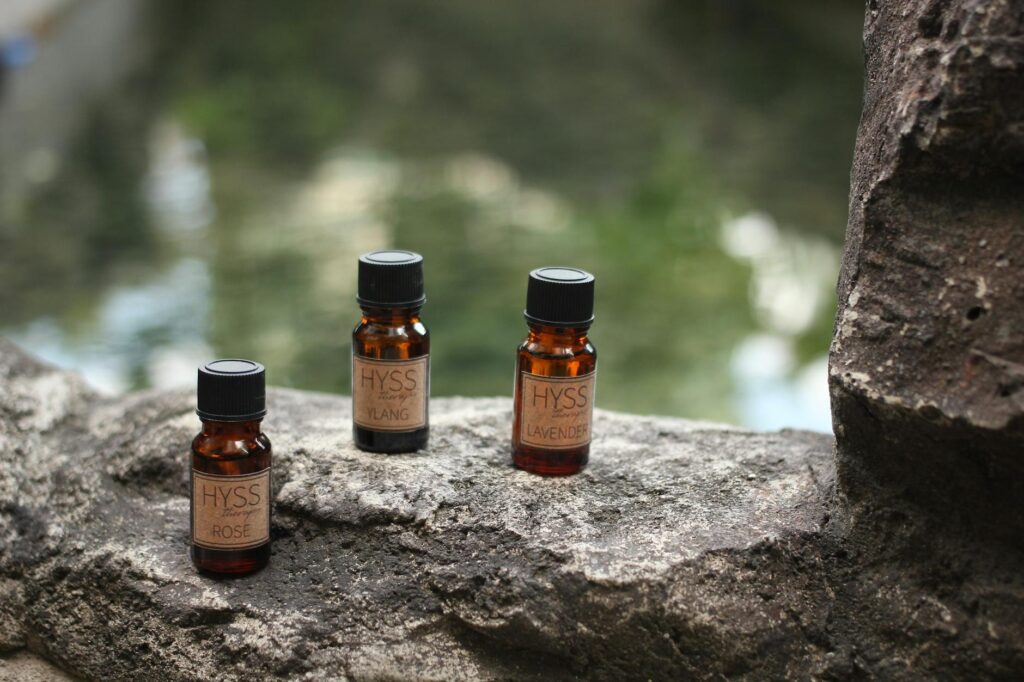
- Container Type: Ideally, store the oil in dark glass bottles, which protect it from light exposure and degradation.
- Shelf Life: The shelf life of ylang ylang oil can vary based on its quality and storage conditions, but it typically lasts for 2 to 3 years. Always check for changes in aroma, color, or consistency, which may indicate that the oil has gone bad.
While these benefits are widely reported, it is important to approach them with caution, as individual responses to essential oils can vary significantly.
Common Uses
Ylang ylang oil can be utilized in various ways, including:
Aromatherapy Applications
In aromatherapy, ylang ylang oil is commonly used for its emotional and psychological benefits. It is frequently blended with other essential oils, such as lavender or bergamot, to create synergistic effects.
Diffusion Techniques
To diffuse ylang ylang oil, add a few drops to a diffuser filled with water. This method allows the scent to be dispersed throughout the room, creating a relaxing atmosphere.
Massage
Diluting ylang ylang oil in a carrier oil, such as sweet almond or jojoba oil, allows it to be used for massage. This can enhance relaxation and help alleviate muscle tension.
Bathing
Adding ylang ylang oil to bathwater can provide a soothing experience. It is advisable to mix the essential oil with a carrier oil or an emulsifier, such as milk or honey, to ensure even distribution in the water.
Safety Considerations
While ylang ylang oil is generally safe for use, there are important safety considerations to keep in mind:
Skin Sensitivity
As with many essential oils, ylang ylang may cause skin irritation or allergic reactions in some individuals. It is recommended to conduct a patch test before widespread topical application. To perform a patch test, dilute a small amount of ylang ylang oil in a carrier oil and apply it to a small area of skin. Wait 24 hours to observe any adverse reactions.
Pregnancy and Nursing
Pregnant or nursing individuals should consult with a healthcare provider before using ylang ylang oil. Essential oils can have varying effects during pregnancy, and it is essential to err on the side of caution.
Children and Pets
Ylang ylang oil should be used with caution around children and pets. The oil may have different effects on younger individuals, and certain essential oils can be toxic to pets. Always consult a professional before using essential oils in environments where children or animals are present.
Interaction with Medications
Individuals who are taking medications or have underlying health conditions should be cautious when using ylang ylang oil. Some essential oils can interact with medications, potentially altering their effects. Always consult a healthcare provider for personalized advice.
Storage and Shelf Life
Proper storage of ylang ylang oil is vital to maintain its quality and efficacy. Here are some guidelines:
Frequently Asked Questions
1. Can ylang ylang oil be ingested?
Generally, ylang ylang oil is not recommended for internal use. Essential oils can be potent and may cause adverse reactions when ingested. Always consult a healthcare provider for guidance on internal use.
2. Is ylang ylang oil safe for all skin types?
While ylang ylang oil is safe for many individuals, those with sensitive skin may experience irritation. A patch test is recommended before applying it to larger areas of the skin.
3. What is the best way to use ylang ylang oil for relaxation?
Diffusing ylang ylang oil is a popular method for promoting relaxation. It can also be beneficial when added to baths or used in massage when diluted with a carrier oil.
4. Can ylang ylang oil be used in skincare products?
Yes, ylang ylang oil is often included in skincare formulations for its potential benefits. However, always ensure it is diluted properly and tested for skin sensitivity before use.
5. How can I tell if my ylang ylang oil has gone bad?
Signs of degraded oil may include a change in aroma, color, or consistency. If the oil smells off or has developed a cloudy appearance, it is best to dispose of it.
Conclusion
Ylang ylang oil is a versatile essential oil with numerous applications in aromatherapy and personal care. While it offers various benefits, understanding its safety profile is essential for responsible use. By adhering to guidelines for dilution, storage, and application, users can enjoy the aromatic and therapeutic properties of ylang ylang oil while minimizing the risk of adverse effects. Always prioritize safety and consult professionals when necessary to ensure a positive experience with this exotic oil.