
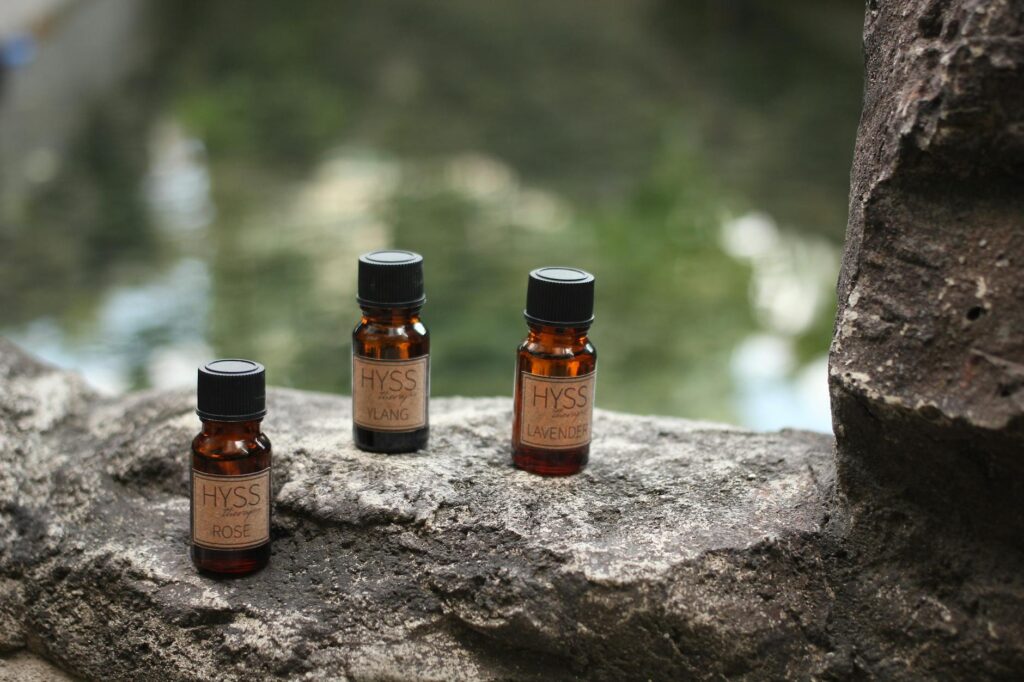
Aromatherapy Uses of Ylang Ylang Oil
Introduction
Aromatherapy, the practice of using essential oils for therapeutic purposes, has gained significant popularity in recent years. Among the myriad of essential oils available, ylang ylang oil stands out for its unique fragrance and diverse applications. Extracted from the flowers of the Cananga odorata tree, native to Southeast Asia, ylang ylang oil has been celebrated for its aromatic properties and potential benefits. This article explores ylang ylang oil in detail, including its characteristics, benefits, common uses, and safety considerations.
What Is Ylang Ylang Oil?
Ylang ylang oil is an essential oil derived from the flowers of the ylang ylang tree, which can grow up to 20 meters tall. The flowers are yellow and star-shaped, and they have a sweet, floral aroma that is both exotic and calming. The oil is extracted through steam distillation, a process that ensures the preservation of its delicate fragrance and beneficial compounds.
The term “ylang ylang” comes from the Tagalog word “ilang-ilang,” which means “flower of flowers.” Historically, this oil has been used in various cultures for its aromatic properties, often incorporated into perfumes, cosmetics, and traditional remedies.
Key Benefits and Properties
Ylang ylang oil is rich in various compounds that contribute to its therapeutic properties. These include sesquiterpenes, monoterpenes, and esters, each playing a role in the oil’s overall effects. Some of the key benefits and properties include:
1. Mood Enhancement: Ylang ylang oil is often associated with uplifting moods and reducing feelings of anxiety or stress. Its sweet and floral scent can promote relaxation and emotional balance.
2. Aphrodisiac Qualities: Traditionally, ylang ylang oil has been considered an aphrodisiac, believed to enhance romantic feelings and desires.
3. Anti-inflammatory Properties: The oil is thought to have anti-inflammatory effects, which may contribute to its soothing qualities when used in topical applications or diffused into the air.
4. Antiseptic Qualities: Ylang ylang oil has been noted for its potential antiseptic properties, making it useful in skincare formulations.
5. Circulation Benefits: Some studies suggest that ylang ylang oil may help improve blood circulation, although further research is needed to substantiate this claim.
Common Uses
Ylang ylang oil has a wide range of applications, both in aromatherapy and in everyday products. Common uses include:
- Perfumery: Due to its captivating scent, ylang ylang oil is a popular ingredient in many luxury perfumes and scented products.
- Cosmetics: The oil is often added to skincare products for its potential benefits to skin health, including moisturizers and lotions.
- Massage Oils: Ylang ylang oil is frequently incorporated into massage oils for its soothing and relaxing properties.
- Household Products: Its pleasant aroma makes it a popular addition to candles, air fresheners, and potpourri.
- Keep in a Dark Bottle: Essential oils should be stored in dark glass bottles to protect them from light, which can degrade their quality.
- Cool, Dry Place: Store ylang ylang oil in a cool, dry place away from direct sunlight and heat sources.
- Seal Tightly: Ensure the bottle is tightly sealed to prevent oxidation and contamination.
Aromatherapy Applications
In aromatherapy, ylang ylang oil can be utilized in various ways to harness its potential benefits. Some common methods include:
1. Diffusion
Using a diffuser is one of the most effective ways to experience the uplifting effects of ylang ylang oil. Add a few drops to a diffuser filled with water and allow the aroma to fill the space. This method not only enhances the ambiance but can also promote a sense of calm and relaxation.
2. Topical Application
When diluted with a carrier oil such as jojoba or coconut oil, ylang ylang oil can be applied to the skin. This is particularly beneficial in massage therapy, where the oil can help alleviate tension and promote relaxation.
3. Bathing
Adding a few drops of ylang ylang oil to a warm bath can create a soothing and aromatic experience. The warm water helps to diffuse the oil, allowing its calming properties to be absorbed through the skin.
4. Inhalation
For quick relief from stress or anxiety, inhaling the scent directly from the bottle or from a cotton ball can be effective. This method is simple and can be done anywhere.
5. Hair Care
Ylang ylang oil can also be used in hair care formulations, as it is believed to promote hair health and enhance shine. Adding a few drops to your shampoo or conditioner can provide added benefits.
Safety Considerations
While ylang ylang oil is generally considered safe for use, there are some important safety considerations to keep in mind:
1. Dilution: Essential oils are potent and should be diluted with a carrier oil before topical application. A common dilution ratio is 2-3 drops of ylang ylang oil per teaspoon of carrier oil.
2. Allergic Reactions: As with any essential oil, it is advisable to perform a patch test before extensive use. Apply a small amount of diluted oil to a discreet area of skin to check for any adverse reactions.
3. Pregnancy and Nursing: Pregnant and nursing women should consult with a healthcare professional before using essential oils.
4. Children: Essential oils should be used with caution around children. It is best to consult a qualified aromatherapist or healthcare provider for guidance.
5. Pre-existing Conditions: Individuals with certain medical conditions or those taking specific medications should exercise caution and consult with a healthcare provider before using ylang ylang oil.
Storage and Shelf Life
Proper storage is essential to maintain the quality and longevity of ylang ylang oil. Here are some storage tips:
The shelf life of ylang ylang oil is typically around 3-5 years, depending on storage conditions. However, it is advisable to check for any changes in scent or appearance, which may indicate degradation.
Frequently Asked Questions
1. What does ylang ylang oil smell like?
Ylang ylang oil has a sweet, floral, and somewhat fruity aroma. It is often described as exotic and is a common ingredient in perfumes.
2. Can ylang ylang oil help with sleep?
While some individuals find the calming properties of ylang ylang oil beneficial for relaxation, its effectiveness for sleep can vary from person to person. Diffusing the oil before bedtime may help create a soothing environment.
3. Is ylang ylang oil safe for pets?
Ylang ylang oil should be used with caution around pets. Some essential oils can be harmful to animals. It is advisable to consult with a veterinarian before using any essential oils in a home with pets.
4. Can ylang ylang oil be used in cooking?
Ylang ylang oil is not typically recommended for culinary use. Essential oils are highly concentrated and can be toxic in large amounts. Always consult with a professional before considering any essential oil for ingestion.
5. How do I know if I have a quality ylang ylang oil?
To ensure quality, look for oils that are labeled as 100% pure essential oil, preferably from reputable suppliers. Avoid oils with synthetic additives or those that do not provide information on the plant’s origin or extraction method.
Conclusion
Ylang ylang oil is a versatile essential oil with a rich aromatic history and numerous applications in aromatherapy and beyond. Its calming and uplifting properties make it a popular choice for those seeking to enhance their emotional well-being. By understanding its characteristics, uses, and safety considerations, individuals can incorporate ylang ylang oil into their daily routines for a holistic approach to wellness. Always remember to use essential oils responsibly and consult with professionals when necessary to ensure safe practices.