
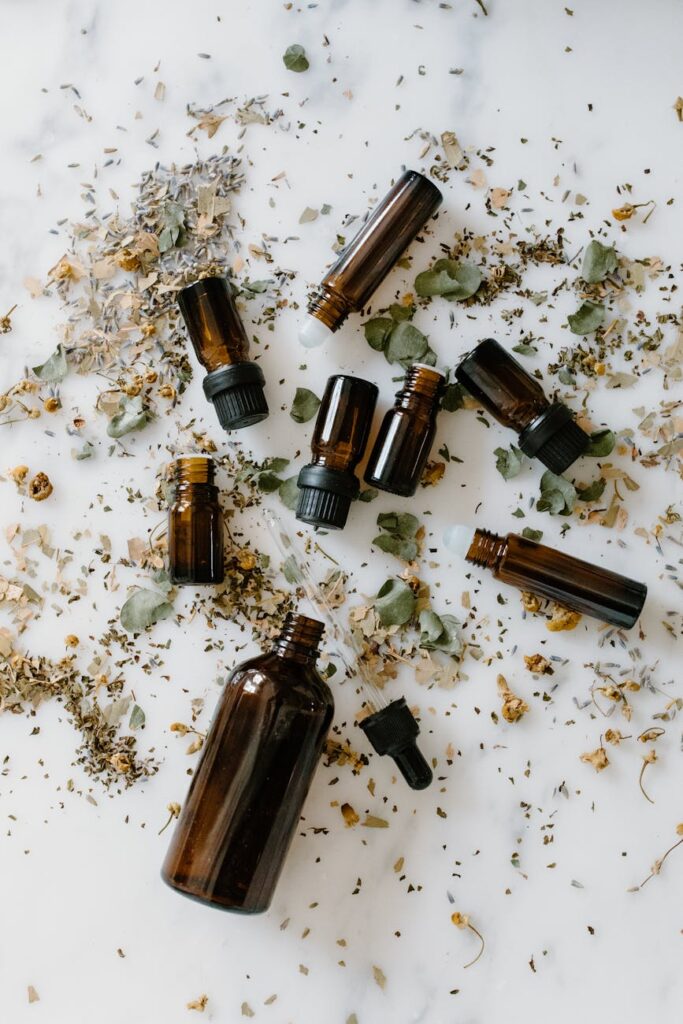
Benefits of Aromatherapy Blends for Anti-Inflammation
Introduction
Aromatherapy, the practice of using plant-derived essential oils for therapeutic benefits, has gained popularity as a holistic approach to well-being. Among its myriad uses, one of the most notable is the development of aromatherapy blends aimed at reducing inflammation. Inflammation is a natural response of the body to injury or infection but can become problematic when chronic. This article explores the concept of aromatherapy blends for anti-inflammation, their key benefits, common uses, applications, safety considerations, and storage practices.
What Is Aromatherapy Blends for Anti-Inflammation?
Aromatherapy blends for anti-inflammation typically consist of various essential oils known for their anti-inflammatory properties. These oils can be combined in specific ratios to enhance their therapeutic effects. The primary goal of these blends is to alleviate symptoms associated with inflammation, such as pain, swelling, and discomfort.
Common essential oils used in these blends include lavender, eucalyptus, tea tree, peppermint, and frankincense. Each oil brings its distinct profile of active compounds that contribute to its anti-inflammatory effects. When combined, these oils can work synergistically to enhance overall efficacy.
Key Benefits and Properties
Anti-Inflammatory Effects
Essential oils such as lavender and frankincense contain compounds that have been shown in various studies to exhibit anti-inflammatory properties. These compounds can help reduce swelling and pain associated with inflammatory conditions.
Pain Relief
Many essential oils possess analgesic properties, meaning they can alleviate pain. For instance, peppermint oil contains menthol, which has a cooling effect and can help in reducing pain perception.
Stress Reduction
Chronic inflammation is often linked to stress. Essential oils like bergamot and chamomile can promote relaxation and mental clarity, potentially mitigating the body’s inflammatory responses triggered by stress.
Immune Support
Some essential oils, such as tea tree and eucalyptus, are known for their immune-boosting properties. A healthy immune system can help the body manage inflammation more effectively.
Improved Circulation
Certain oils, like ginger and black pepper, can stimulate blood flow. Improved circulation may help in alleviating symptoms of inflammation by delivering more oxygen and nutrients to affected tissues.
Common Uses
Aromatherapy blends for anti-inflammation can be utilized in various contexts and settings. Here are some of the most common uses:
Topical Applications
One of the most straightforward ways to use aromatherapy blends is through topical application. Diluting essential oils in a carrier oil, such as coconut or jojoba oil, allows users to apply the blend directly to areas of inflammation, such as sore muscles or joints.
Diffusion
Using a diffuser to disperse essential oils into the air can promote a calming environment while allowing the beneficial compounds to be inhaled. This method is particularly useful for stress relief, which can indirectly impact inflammation levels.
Bath Soaks
Adding aromatherapy blends to bath water can create a soothing experience. The warm water combined with essential oils can help relax muscles and reduce tension, potentially alleviating inflammation.
Inhalation
Direct inhalation of essential oils from the bottle or through steam inhalation can provide immediate relief for respiratory inflammation. Essential oils like eucalyptus and peppermint are particularly effective for this purpose.
Aromatherapy Applications
Blending Techniques
Creating effective aromatherapy blends requires understanding the properties and compatibility of various essential oils. Here are some common techniques:
1. Synergy: Combining oils that enhance each other’s effects can create a more potent blend. For example, blending lavender with chamomile may enhance relaxation and anti-inflammatory properties.
2. Layering: This involves applying a base oil followed by a blend of essential oils. This method is often used in massage therapy to maximize benefits.
3. Dilution: Essential oils are highly concentrated and should be diluted with a carrier oil before application. A general guideline is to use 1-3 drops of essential oil per teaspoon of carrier oil.
Sample Blends
Here are a few examples of aromatherapy blends targeting inflammation:
- Soothing Muscle Blend: 3 drops of peppermint oil, 2 drops of lavender oil, and 1 drop of ginger oil diluted in 1 tablespoon of coconut oil.
- Calming Bath Blend: 4 drops of chamomile oil, 3 drops of frankincense oil, and 2 drops of bergamot oil mixed in 1 cup of Epsom salts for a relaxing bath soak.
- Respiratory Relief Blend: 3 drops of eucalyptus oil, 2 drops of tea tree oil, and 1 drop of rosemary oil inhaled using a steam inhalation method.
Safety Considerations
While aromatherapy blends can offer numerous benefits, it is essential to practice safety and caution:
1. Skin Sensitivity: Always perform a patch test before applying an essential oil blend to a larger area of skin. Some individuals may experience allergic reactions or irritation.
2. Pregnancy and Nursing: Certain essential oils may not be safe during pregnancy or while breastfeeding. It is advisable to consult a healthcare professional for guidance.
3. Medical Conditions: Individuals with specific health conditions or those on medication should consult a healthcare provider before using aromatherapy blends.
4. Quality of Oils: Ensure that the essential oils used are of high quality and free from synthetic additives. Organic and therapeutic-grade oils are preferable.
Storage and Shelf Life
Proper storage of essential oils is crucial for maintaining their potency and extending their shelf life:
1. Cool, Dark Place: Essential oils should be stored in a cool, dark environment away from direct sunlight and heat, which can degrade their quality.
2. Sealed Containers: Use dark glass bottles to protect oils from light exposure. Always ensure containers are tightly sealed to prevent evaporation.
3. Shelf Life: Generally, essential oils have a shelf life of 1-3 years, depending on the type of oil and storage conditions. Citrus oils tend to have a shorter shelf life, while oils like patchouli and vetiver can last longer.
Frequently Asked Questions
1. Can aromatherapy blends completely eliminate inflammation?
While aromatherapy blends can help alleviate symptoms associated with inflammation, they should not be viewed as a cure. It is essential to consult a healthcare professional for chronic or severe inflammatory conditions.
2. How often can I use aromatherapy blends for anti-inflammation?
The frequency of use can vary depending on individual needs and sensitivities. It is generally safe to use these blends daily, but moderation is key. Listening to your body’s response is essential.
3. Are there specific essential oils that are more effective for inflammation?
Some of the most commonly cited essential oils for inflammation are lavender, ginger, frankincense, and eucalyptus. However, individual responses may vary, so experimentation to find the most effective blend is recommended.
4. Can I create my own blends at home?
Yes, creating your own aromatherapy blends at home can be a rewarding experience. Start with small batches and experiment with different combinations to find what works best for you.
5. What is the best method for using aromatherapy blends?
The best method depends on personal preference and the specific symptoms being addressed. Topical application, diffusion, and inhalation are all effective methods. Experimenting with various techniques can help determine what works best for you.
Conclusion
Aromatherapy blends for anti-inflammation offer a holistic approach to managing discomfort and promoting overall well-being. By utilizing the unique properties of essential oils, individuals can create personalized blends to address their specific needs. With proper safety considerations and storage practices, aromatherapy can be a valuable addition to a natural wellness routine. As always, it is important to approach these practices with an open mind and a willingness to explore the multitude of benefits that nature has to offer.