
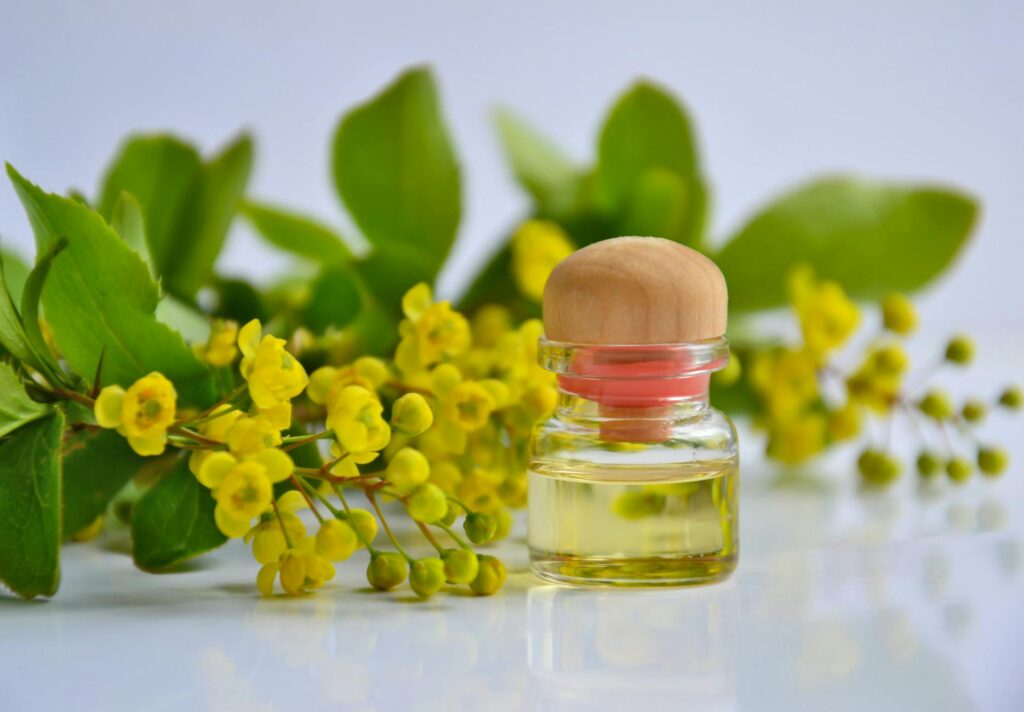
Benefits of Aromatherapy Blends for Anxiety Relief
Introduction
Aromatherapy, the practice of utilizing essential oils derived from plants for therapeutic purposes, has gained popularity as a holistic approach to promoting well-being. Among its various applications, aromatherapy blends for anxiety relief represent a vital area of interest. As the world grapples with increasing stress and anxiety levels, understanding the benefits and uses of these blends becomes essential. This article will explore what aromatherapy blends for anxiety relief are, their key benefits, common uses, applications, safety considerations, and more.
What Is Aromatherapy Blends for Anxiety Relief?
Aromatherapy blends for anxiety relief consist of carefully selected essential oils combined to create a synergistic effect aimed at alleviating feelings of anxiety, stress, and tension. These blends harness the natural properties of essential oils, which are concentrated extracts derived from various parts of plants, including leaves, flowers, stems, and roots. Each essential oil possesses unique chemical compounds that may influence mood and emotional states.
When used in conjunction with techniques such as inhalation, diffusion, or topical application, these blends can offer a calming and soothing experience. The specific oils chosen for anxiety relief are often based on their known properties, scent profiles, and individual preferences.
Key Benefits and Properties
The effectiveness of aromatherapy blends for anxiety relief can be attributed to the unique properties of individual essential oils. Here are some commonly used oils and their benefits:
1. Lavender (Lavandula angustifolia)
Lavender is renowned for its calming effects. Studies suggest that it may help reduce stress levels and promote relaxation, making it a staple in anxiety-relief blends.
2. Bergamot (Citrus bergamia)
Bergamot essential oil has a refreshing citrus aroma and is known for its uplifting properties. It may help alleviate symptoms of anxiety and improve mood.
3. Frankincense (Boswellia carterii)
Frankincense has been used for centuries in spiritual practices. Its grounding scent may help calm the mind and enhance feelings of peace and tranquility.
4. Chamomile (Matricaria chamomilla)
Chamomile is often associated with relaxation and sleep. Its gentle aroma can help soothe anxiety and promote a sense of calm.
5. Ylang Ylang (Cananga odorata)
This floral-scented oil is known for its ability to reduce stress and tension, making it a popular choice in anxiety-relief blends.
6. Clary Sage (Salvia sclarea)
Clary sage may help balance hormones and alleviate feelings of anxiety. Its earthy aroma can also promote relaxation.
These essential oils can be blended in various proportions to create a personalized formula tailored to individual needs. The therapeutic benefits often result from the combination of oils working synergistically, enhancing their calming effects.
Common Uses
Aromatherapy blends for anxiety relief can be used in various settings and situations. Here are some common applications:
1. Diffusion
Using an essential oil diffuser is a popular method for dispersing the aroma of anxiety-relief blends into the air. This method allows for the inhalation of essential oil particles, promoting a calming atmosphere in homes, offices, or therapy rooms.
2. Inhalation
Direct inhalation of essential oils can be effective for immediate relief. Placing a few drops of an anxiety-relief blend on a cotton ball or in the palms of the hands and taking deep breaths can help calm the mind.
3. Topical Application
Diluted essential oils can be applied to pulse points, such as the wrists, temples, or neck. This method allows for the absorption of oils through the skin while also providing an aromatic experience.
4. Bathing
Adding essential oil blends to bathwater can create a soothing and calming environment. The combination of warm water and aromatherapy promotes relaxation and stress relief.
5. Massage
Incorporating essential oil blends into massage oils can enhance the therapeutic experience. This method not only provides the benefits of aromatherapy but also promotes physical relaxation.
Aromatherapy Applications
Creating a Personalized Blend
Crafting a personalized aromatherapy blend involves selecting essential oils that resonate with individual preferences and emotional needs. It is advisable to start with a base oil, commonly referred to as a carrier oil, to dilute the essential oils. Popular carrier oils include jojoba oil, sweet almond oil, and coconut oil.
A basic guideline for blending is to use about 10-15 drops of essential oil per ounce of carrier oil. Experimentation is encouraged, as personal experiences and preferences vary widely.
Pre-Made Blends
Many manufacturers offer pre-made aromatherapy blends specifically formulated for anxiety relief. These products can be convenient for those new to aromatherapy or those who prefer ready-to-use options. Always check the ingredient list for quality and purity.
Aromatherapy Kits
Aromatherapy kits are available that include essential oils, a diffuser, and additional tools for application. These kits can offer a comprehensive approach to anxiety relief and can serve as a great introduction to the world of aromatherapy.
Safety Considerations
While aromatherapy is generally considered safe, certain precautions should be observed:
1. Skin Sensitivity
Essential oils are potent and can cause skin irritation if not diluted properly. Conducting a patch test on a small area of skin before full application is advisable.
2. Pregnancy and Nursing
Some essential oils may not be safe for use during pregnancy or while nursing. Individuals should consult with a healthcare provider for guidance.
3. Allergies and Sensitivities
Those with a history of allergies should approach essential oils cautiously. It is recommended to read ingredient labels and consult with a professional if unsure.
4. Quality of Oils
The purity and quality of essential oils can vary significantly. It is essential to select oils from reputable sources to ensure they are free of additives, synthetic fragrances, or contaminants.
Storage and Shelf Life
Proper storage of essential oils is crucial for maintaining their efficacy. Here are some guidelines:
1. Store in Dark Containers
Essential oils should be stored in dark glass containers to protect them from light exposure, which can degrade their chemical compounds.
2. Keep in a Cool, Dry Place
Heat and humidity can adversely affect essential oils. Keeping them in a cool, dry environment will help preserve their potency.
3. Check Expiry Dates
Essential oils do have a shelf life, typically ranging from 1-3 years depending on the oil. Always check for expiry dates and discard any oils that have expired or developed an unusual odor.
Frequently Asked Questions
1. How quickly can I expect results from aromatherapy for anxiety relief?
The effects of aromatherapy can vary from person to person. Many individuals report immediate feelings of relief, while others may require consistent use over time to notice significant changes.
2. Can I use multiple essential oils together?
Yes, blending multiple essential oils can enhance the overall therapeutic effects. Experimenting with different combinations can lead to personalized solutions for anxiety relief.
3. Are there any side effects associated with using essential oils?
While essential oils are generally safe, some individuals may experience allergic reactions or skin irritation. It is essential to conduct patch tests and use oils as directed.
4. Can aromatherapy replace traditional treatments for anxiety?
Aromatherapy can be a complementary approach to traditional treatments but should not replace professional medical advice or therapy. Always consult with a healthcare provider for comprehensive care.
5. How can I make my own anxiety-relief blend?
Start by selecting essential oils known for their calming properties. Dilute the oils in a carrier oil or use them in a diffuser. Experiment with different ratios until you find a blend that resonates with you.
In conclusion, aromatherapy blends for anxiety relief offer a versatile and holistic approach to managing stress and anxiety. By understanding the benefits, applications, and safety considerations, individuals can explore this ancient practice as a modern means of promoting emotional well-being.