
Benefits of Aromatherapy Blends for Creative Inspiration
Introduction
Aromatherapy, the practice of using essential oils for therapeutic benefits, has gained popularity in recent years as a holistic approach to enhance well-being. Among its many applications, aromatherapy blends designed for creative inspiration have emerged as a valuable tool for artists, writers, and anyone seeking to stimulate their creative faculties. This article explores the nature of these blends, their key benefits, common uses, and practical applications while also highlighting important safety considerations.
What Is Aromatherapy Blends for Creative Inspiration?
Aromatherapy blends for creative inspiration are carefully formulated combinations of essential oils known for their ability to invigorate the mind, elevate mood, and enhance cognitive functions. These blends typically include a variety of essential oils, each contributing unique properties that can foster an environment conducive to creativity. The art of blending essential oils involves understanding their individual characteristics and how they interact with one another to create synergistic effects.
Key Benefits and Properties
1. Enhancing Mood
Certain essential oils, such as bergamot, sweet orange, and ylang-ylang, are well-documented for their uplifting and mood-enhancing properties. A positive emotional state is often linked to increased creative output. By incorporating these oils into a blend, users can create a more inviting atmosphere for creative thinking.
2. Reducing Stress and Anxiety
Stress and anxiety can be significant barriers to creativity. Oils like lavender, chamomile, and frankincense are known for their calming effects. A blend featuring these essential oils can help alleviate mental clutter and promote relaxation, making it easier to tap into one’s creative resources.
3. Boosting Focus and Clarity
Essential oils such as rosemary, peppermint, and lemon are celebrated for enhancing mental clarity and focus. Blends containing these oils can help clear mental fog, allowing individuals to concentrate on their creative endeavors without distraction.
4. Stimulating Imagination
Certain oils are believed to stimulate the imagination and encourage innovative thinking. For example, clary sage and geranium are often included in inspirational blends due to their reputation for opening the mind to new ideas and perspectives.
5. Creating a Sensory Environment
The use of aromatherapy blends can transform a physical space into a sensory haven. The ambient aromas can play a critical role in setting the stage for creativity, influencing how individuals feel and think. This sensory engagement can enhance the overall creative experience.
Common Uses
Aromatherapy blends for creative inspiration can be utilized in various settings, including:
1. Workspaces
Setting up a creative workspace infused with a thoughtfully selected aromatherapy blend can enhance productivity. Diffusing essential oils or using an oil roller can create an inviting atmosphere, encouraging longer and more focused creative sessions.
2. Artistic Pursuits
Artists and writers often seek to unlock their creative potential. Using specific blends can set the mood for painting, writing, or any other artistic endeavor, helping to establish a flow state conducive to creativity.
3. Meditation and Mindfulness
Incorporating aromatherapy blends into meditation practices can deepen the experience, allowing individuals to connect with their inner thoughts and ideas. A calm mind is often the birthplace of creativity.
4. Workshops and Group Activities
In collaborative settings, such as workshops or brainstorming sessions, the use of aromatherapy blends can create a shared atmosphere of inspiration and creativity, fostering open communication and idea sharing.
Aromatherapy Applications
There are several methods to apply aromatherapy blends for creative inspiration. Each method can be tailored to individual preferences and specific situations:
1. Diffusion
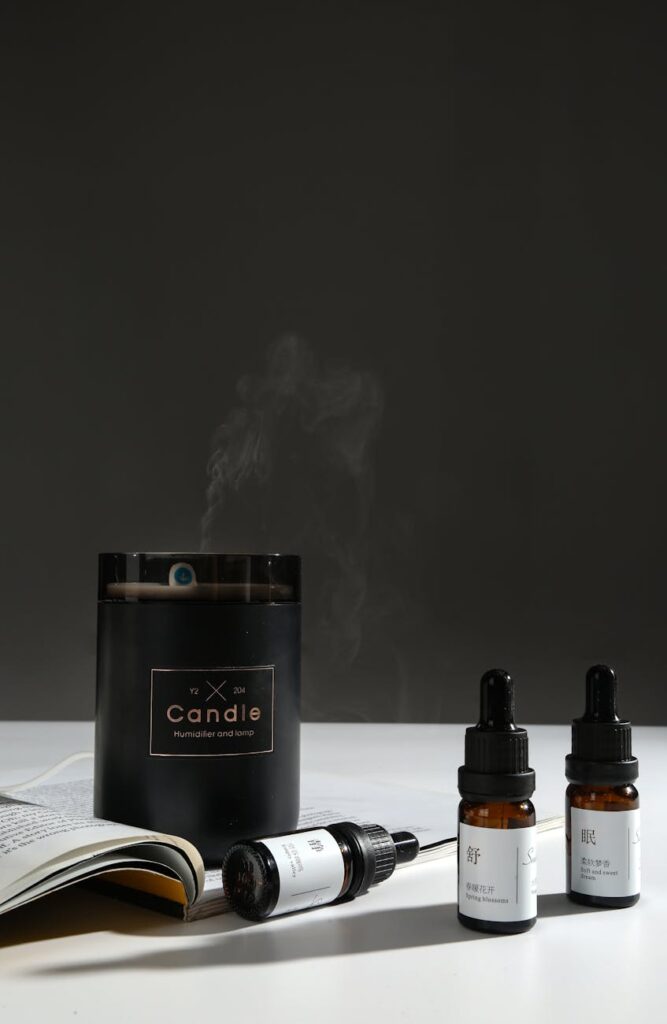
Using an essential oil diffuser is one of the most popular methods of dispersing essential oils into the air. This method allows for even distribution of the aroma throughout a room, providing a constant sensory input that can enhance creativity over time.
2. Inhalation
Direct inhalation, using a cotton ball or inhaler, can provide immediate access to the essential oils’ benefits. This method is particularly useful during moments of mental block or when a quick boost of inspiration is needed.
3. Topical Application
Diluting essential oils with a carrier oil (such as jojoba or coconut oil) allows for safe application to the skin. This method can create a personal, intimate experience with the aroma, often enhancing the emotional connection to the creative process.
4. Bathing
Creating a relaxing bath with essential oils can provide a multi-sensory experience. The warmth of the water combined with the aromatic properties of the oils can help to relax both the body and mind, setting the stage for creativity.
5. Crafting Personal Blends
For those interested in a more tailored approach, creating personal blends can be a rewarding endeavor. By experimenting with different essential oils, individuals can discover combinations that resonate with their unique creative processes.
Safety Considerations
While aromatherapy can be a delightful and beneficial addition to one’s creative toolkit, safety should always be a priority. Here are some important considerations:
1. Skin Sensitivity
Some essential oils can cause skin irritation or allergic reactions. It is advisable to perform a patch test before applying any new blend to the skin. Diluting essential oils with a carrier oil can also help minimize potential adverse reactions.
2. Quality of Essential Oils
The efficacy of aromatherapy blends largely depends on the quality of the essential oils used. It is essential to source oils from reputable suppliers who adhere to strict quality control measures.
3. Pregnancy and Medical Conditions
Individuals who are pregnant, nursing, or have specific medical conditions should consult a qualified professional before using essential oils. Certain oils may not be suitable for everyone.
4. Pets
When using essential oils in the home, it is crucial to consider the safety of pets. Some essential oils can be harmful to animals. It is advisable to research which oils are safe and to consult a veterinarian if in doubt.
Storage and Shelf Life
Proper storage of essential oils is vital to maintain their potency and effectiveness. Here are some tips for storing aromatherapy blends:
1. Dark Glass Containers
Essential oils should be stored in dark glass containers to protect them from light, which can degrade their quality. Amber or cobalt blue bottles are ideal for this purpose.
2. Cool, Dry Place
Keeping essential oils in a cool, dry place away from direct sunlight and heat is essential for prolonging their shelf life. Extreme temperatures can alter the chemical composition of the oils.
3. Shelf Life
The shelf life of essential oils varies depending on the type. Generally, most essential oils can last from one to three years when stored properly. However, citrus oils tend to have a shorter shelf life and may begin to lose their potency within six months to a year.
Frequently Asked Questions
1. Can anyone use aromatherapy blends for creative inspiration?
Yes, aromatherapy blends can be used by individuals of all backgrounds. However, it is important to consider personal preferences, any existing health conditions, and individual sensitivities.
2. How long does it take to feel the effects of aromatherapy?
Effects can vary from person to person. Some individuals may feel immediate changes in mood or focus, while others may require regular use over time to experience the desired benefits.
3. Can I create my own blends?
Absolutely! Creating personal blends can be a fun and rewarding experience. Start with a few essential oils that you are drawn to and experiment with different ratios until you find a combination that resonates with you.
4. Are there any essential oils to avoid for creative inspiration?
While most essential oils can be used to promote creativity, it’s best to avoid oils that may cause drowsiness or lethargy, such as some sedative oils.
5. How can I incorporate aromatherapy into my daily routine?
Incorporating aromatherapy into daily life can be as simple as diffusing oils while working, applying a personal blend before creative tasks, or engaging in mindful breathing exercises with essential oils.
Conclusion
Aromatherapy blends for creative inspiration present a unique approach to enhancing creativity through the power of scent. By understanding the properties of various essential oils and how they can be combined, individuals can create customized blends that support their creative pursuits. With mindful application and a focus on safety, these aromatic concoctions can become a cherished part of the creative process, enriching both personal expression and artistic exploration.