
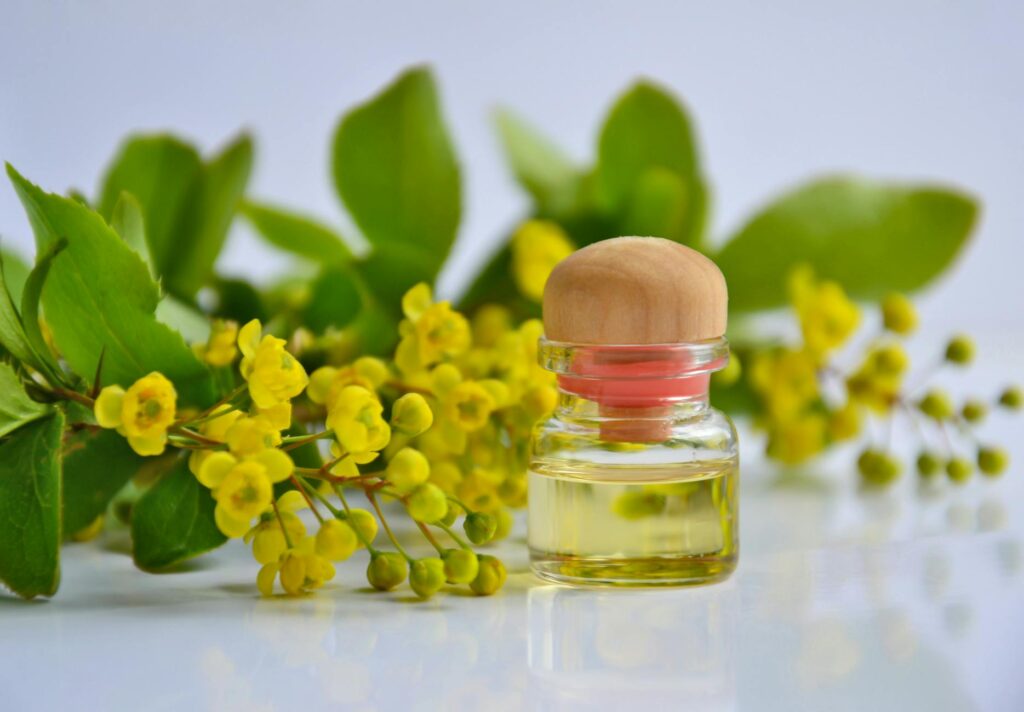
Benefits of Aromatherapy Blends for Emotional Balance
Introduction
Aromatherapy is an ancient practice that harnesses the therapeutic properties of essential oils derived from plants. These oils are renowned for their ability to enhance physical, emotional, and spiritual well-being. Among the various applications of aromatherapy, the use of blends specifically formulated for emotional balance has gained significant attention. This article delves into what aromatherapy blends for emotional balance are, their key benefits, common uses, and safety considerations.
What Is Aromatherapy Blends for Emotional Balance?
Aromatherapy blends for emotional balance consist of carefully selected essential oils that work synergistically to promote emotional well-being. These blends are typically crafted to address specific emotional states such as stress, anxiety, sadness, or irritability. Essential oils, extracted from flowers, leaves, stems, and roots, contain volatile compounds that can influence the limbic system—the part of the brain responsible for emotions and memory. By inhaling or applying these blends, individuals may experience mood enhancement, stress relief, and emotional clarity.
Key Benefits and Properties
Aromatherapy blends for emotional balance offer a myriad of benefits, thanks to the unique properties of the essential oils used. Below are some of the key benefits and properties associated with these blends:
1. Stress Reduction
Many essential oils possess calming properties that can help alleviate stress. Oils such as lavender, chamomile, and bergamot are known for their ability to induce relaxation and reduce tension.
2. Mood Enhancement
Certain oils can uplift mood and promote feelings of happiness and joy. Citrus oils like lemon and sweet orange are often included in blends for their invigorating and cheerful qualities.
3. Anxiety Relief
Blends that include oils such as frankincense and ylang-ylang may help in reducing feelings of anxiety. These oils are believed to promote a sense of tranquility and grounding.
4. Emotional Clarity
Essential oils like rosemary and sage are thought to enhance mental clarity and focus. Incorporating these oils in aromatherapy blends can help individuals gain better emotional insight.
5. Support for Sleep
Many people struggle with sleep disturbances due to emotional imbalance. Oils such as vetiver and cedarwood are commonly used in blends designed to promote restful sleep and overall emotional stability.
6. Coping with Grief
Aromatherapy can provide comfort during times of loss. Blends that include oils like rose or neroli may help individuals process their emotions and find solace.
Common Uses
Aromatherapy blends for emotional balance can be used in various settings and situations. Here are some common applications:
1. Diffusion
Using an essential oil diffuser is one of the most popular ways to disperse the therapeutic properties of aromatherapy blends into the air. This method is effective for creating a calming atmosphere in homes, offices, or therapeutic environments.
2. Topical Application
Many individuals apply diluted aromatherapy blends directly to the skin, often on pulse points such as wrists, temples, or the back of the neck. This method allows for direct absorption and can provide immediate emotional relief.
3. Bath Soaks
Adding aromatherapy blends to bathwater can create a serene and soothing experience. The warm water helps to release the essential oils’ properties while promoting relaxation.
4. Inhalation
Inhaling essential oils directly from the bottle or using an inhaler can provide rapid relief from emotional distress. This method is especially useful for on-the-go situations.
5. Meditation and Yoga
Incorporating aromatherapy blends into meditation or yoga practices can enhance the overall experience. The calming and centering effects of certain oils can deepen the connection between body and mind.
Aromatherapy Applications
Integrating aromatherapy blends into daily life can be a transformative experience. Here are some practical applications:
1. Morning Routine
Start the day with a refreshing citrus blend to uplift your mood and promote mental clarity. Diffusing or applying a blend of lemon and peppermint can invigorate the senses and prepare you for the day’s challenges.
2. Work Environment
Incorporate grounding blends into your workspace to enhance focus and productivity. A blend of rosemary and cedarwood can help create an atmosphere conducive to concentration.
3. Evening Wind Down
As the day comes to a close, consider using calming blends to prepare for restful sleep. Lavender and chamomile can be diffused or used in a bath to signal to your body that it’s time to relax.
4. Emotional Support During Transitions
During times of change or stress, such as moving or job transitions, specific blends can provide emotional support. A combination of frankincense and sweet orange may help navigate these emotional waters.
Safety Considerations
While aromatherapy is generally considered safe when used properly, it is important to observe certain precautions:
1. Dilution
Essential oils are potent substances and should be diluted before topical application. A common dilution ratio is 2-3 drops of essential oil per teaspoon of carrier oil.
2. Allergies and Sensitivities
Individuals should conduct a patch test before using a new essential oil, especially if they have sensitive skin or allergies. Discontinue use if any irritation occurs.
3. Pregnancy and Nursing
Certain essential oils are not recommended for pregnant or nursing women. It is advisable to consult with a qualified professional before using aromatherapy during these periods.
4. Medical Conditions
Individuals with pre-existing medical conditions or those taking medications should consult a healthcare professional before using essential oils.
5. Pets
Some essential oils can be toxic to pets. It is important to research and avoid using oils that may pose a risk to animals.
Storage and Shelf Life
To maintain the efficacy of essential oils, proper storage is essential. Here are some guidelines:
1. Containers
Store essential oils in dark glass bottles to protect them from light, which can degrade their quality. Amber or cobalt blue bottles are ideal.
2. Temperature
Keep oils in a cool, dry place, away from direct sunlight and heat sources. Extreme temperatures can alter the composition of essential oils.
3. Shelf Life
The shelf life of essential oils varies. Generally, citrus oils have a shorter shelf life (1-2 years), while oils like sandalwood and patchouli can last for several years when stored correctly.
Frequently Asked Questions
1. Can I create my own aromatherapy blends?
Yes, creating your own blends can be a rewarding experience. Start with a base oil and add essential oils that resonate with your emotional needs.
2. How do I know which oils to choose for emotional balance?
Consider the emotional state you wish to address. Research the properties of various essential oils and select those that align with your needs.
3. How often should I use aromatherapy blends?
There is no specific frequency; it depends on personal preference and emotional needs. Many individuals find daily use beneficial.
4. Can aromatherapy replace traditional therapy?
Aromatherapy can be a complementary practice but should not replace professional mental health treatment. It is important to seek help when needed.
5. Are all essential oils safe for children?
Not all essential oils are suitable for children. Always consult with a knowledgeable source or healthcare professional regarding the use of essential oils with children.
Conclusion
Aromatherapy blends for emotional balance offer a natural and holistic approach to enhancing emotional well-being. With their myriad of benefits and applications, these blends can serve as powerful tools in achieving emotional harmony. By understanding their properties, uses, and safety considerations, individuals can incorporate these therapeutic blends into their daily lives to foster a greater sense of emotional balance and peace.