
Benefits of Aromatherapy Blends for Enhanced Sleep Quality
Introduction
In today’s fast-paced world, quality sleep often takes a backseat to the demands of daily life. Many individuals struggle with sleep-related issues, leading to a growing interest in natural solutions. Aromatherapy, particularly through the use of essential oil blends, is gaining popularity as a holistic approach to enhance sleep quality. This article explores the concept of aromatherapy blends specifically designed for sleep, their key benefits, common applications, and safety considerations.
What Is Aromatherapy Blends for Enhanced Sleep Quality?
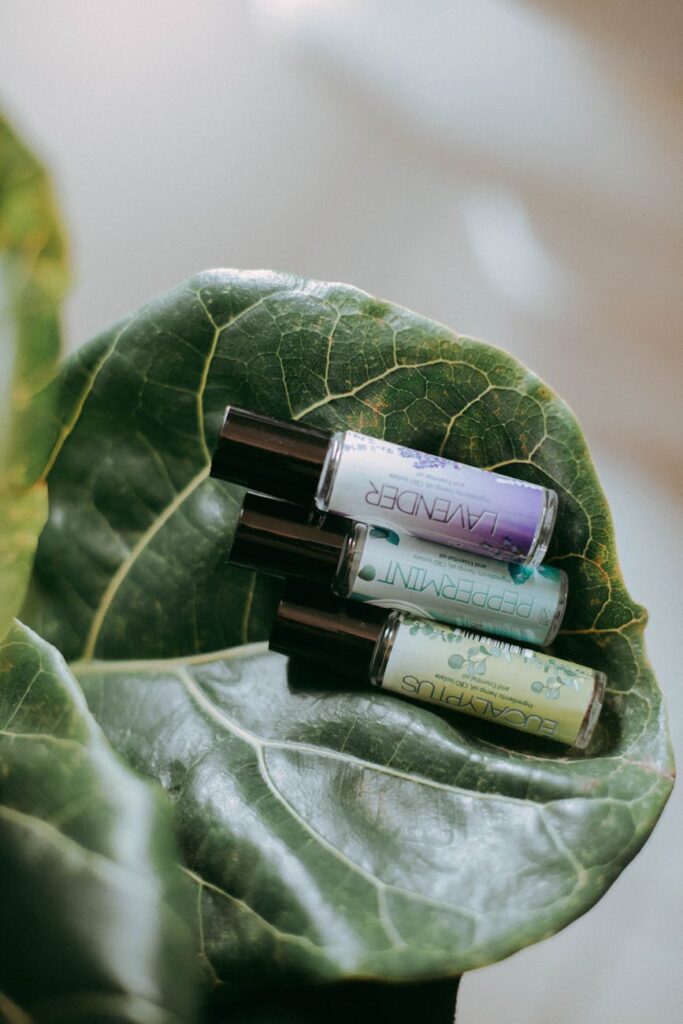
Aromatherapy is the practice of using essential oils extracted from plants for therapeutic purposes. When combined, these oils create blends that can enhance their individual properties, particularly in promoting relaxation and better sleep. Aromatherapy blends for sleep typically incorporate oils known for their calming and soothing effects, such as lavender, chamomile, and bergamot.
These blends can be inhaled, applied to the skin, or used in diffusers, allowing the aromatic compounds to enter the body and mind. The inhalation of these scents is believed to stimulate the olfactory system, sending signals to the brain that can promote tranquility and relaxation.
Key Benefits and Properties
1. Promotes Relaxation
Many essential oils used in sleep blends have been shown to induce a state of calmness. For instance, lavender oil is renowned for its ability to relax the nervous system, making it easier to transition into sleep.
2. Reduces Anxiety
Certain essential oils, such as bergamot and ylang-ylang, possess anxiolytic properties. These oils can help alleviate feelings of anxiety and stress, which are common obstacles to achieving restful sleep.
3. Enhances Sleep Quality
Research suggests that specific aromatherapy blends can increase the duration of sleep and improve sleep quality. Oils like sandalwood and cedarwood can create a grounding effect, which may help individuals achieve deeper, more restorative sleep.
4. Balances Mood
Many sleep blends include oils known for their mood-stabilizing properties, such as frankincense and chamomile. These oils can assist in regulating emotions, which is especially beneficial for those who experience mood swings that affect their sleep.
5. Alleviates Physical Discomfort
Some essential oils can provide relief from physical discomfort that may interfere with sleep. For example, marjoram and ginger oils are known for their anti-inflammatory properties and may help alleviate tension and soreness.
Common Uses
Aromatherapy blends for sleep can be utilized in various ways, offering flexibility depending on individual preferences:
1. Diffusion
Using a diffuser is one of the most popular methods to disperse essential oils into the air. This method allows the user to inhale the aromatic compounds throughout the night, promoting a calming environment conducive to sleep.
2. Topical Application
Essential oil blends can be diluted with carrier oils and applied to pulse points, such as wrists and temples. This method allows for direct absorption through the skin while also benefiting from inhalation.
3. Bath Soaks
Adding aromatherapy blends to a warm bath can create a soothing experience. The warmth of the water enhances the diffusion of the essential oils, promoting relaxation before bedtime.
4. Pillow Sprays
Creating a pillow spray with sleep blends can help enhance the sleep environment. A light mist over pillows and sheets can provide a comforting aroma that encourages relaxation.
Aromatherapy Applications
1. Custom Blends
Many individuals enjoy creating their own aromatherapy blends tailored to personal preferences. Common ingredients include:
- Lavender: Known for its calming effects.
- Bergamot: Helps reduce stress and anxiety.
- Chamomile: Promotes relaxation and can aid in sleep.
- Cedarwood: Creates a grounding effect that may improve sleep quality.
- Keep Away from Light: Store oils in dark glass bottles to protect them from UV rays.
- Seal Tightly: Ensure that the caps are tightly sealed to prevent oxidation.
- Cool Environment: A cool, dry place is ideal for storing essential oils.
2. Pre-Sleep Rituals
Incorporating aromatherapy into a pre-sleep routine can signal to the body that it is time to wind down. This may involve lighting a diffuser, applying oils to the skin, or enjoying a warm bath infused with essential oils.
3. Meditation and Mindfulness
Aromatherapy can enhance meditation practices, creating an environment that fosters mindfulness and relaxation. Using calming scents can deepen the meditative experience, making it easier to transition into sleep afterward.
Safety Considerations
While aromatherapy is generally considered safe, there are several precautions to keep in mind:
1. Dilution
Essential oils are highly concentrated and should be diluted with a carrier oil (such as jojoba, coconut, or almond oil) before applying to the skin. This helps prevent skin irritation or allergic reactions.
2. Allergies and Sensitivities
Individuals should be aware of potential allergies to specific essential oils. Conducting a patch test on a small area of skin can help identify sensitivities before widespread application.
3. Not for Everyone
Pregnant women, individuals with certain health conditions, or those taking specific medications should consult a healthcare professional before using essential oils.
4. Safe Storage
Essential oils should be stored in a cool, dark place, away from direct sunlight. Proper storage extends the shelf life and potency of the oils.
Storage and Shelf Life
The shelf life of essential oils can vary depending on their chemical composition and storage conditions. Generally, most essential oils have a shelf life of 1 to 5 years, while blends may last up to 3 years. Here are some tips for storage:
Frequently Asked Questions
1. Can aromatherapy blends be used safely for children?
While some essential oils are safe for children, it is essential to dilute them properly and consult a healthcare professional for guidance.
2. How long does it take for aromatherapy to work?
The effects of aromatherapy can vary from person to person. Some individuals may feel the calming effects almost immediately, while others may require consistent use over time.
3. Can I use multiple essential oils in one blend?
Yes, combining various essential oils can enhance their therapeutic properties. However, it is essential to research which oils complement each other and to ensure proper dilution.
4. Are there any side effects associated with aromatherapy?
While side effects are generally rare, some individuals may experience skin reactions or respiratory irritation. It’s vital to monitor how your body responds to specific oils.
Conclusion
Aromatherapy blends offer a natural and holistic approach to enhancing sleep quality. With their calming properties and ability to create a serene environment, these blends can be an effective addition to your nightly routine. By understanding the benefits, common applications, and safety considerations, individuals can make informed choices to improve their sleep experience. As with any holistic practice, personal preferences and responses will vary, so experimentation with different blends may help identify what works best for you.