
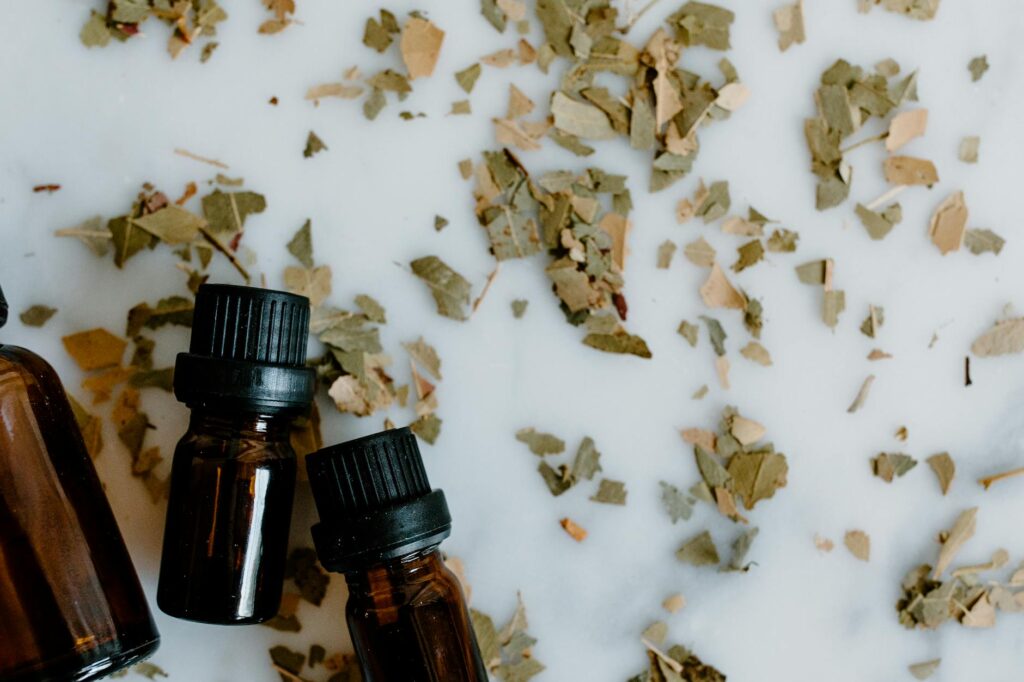
Benefits of Aromatherapy Blends for Heart Health
Introduction
Aromatherapy, a holistic healing practice that utilizes essential oils derived from plants, has gained popularity for its potential benefits in various aspects of health and well-being. Among its many applications, the use of aromatherapy blends for heart health is an area of growing interest. This article explores the concept of aromatherapy blends specifically aimed at supporting heart health, outlining their benefits, properties, common uses, and important safety considerations.
What Is Aromatherapy Blends for Heart Health?
Aromatherapy blends for heart health consist of specific combinations of essential oils known for their cardiovascular benefits. These blends can be formulated to promote relaxation, reduce stress, and enhance emotional well-being, all of which are essential for maintaining a healthy heart. The essential oils used in these blends often possess properties that may influence heart rate, blood pressure, and emotional health, thereby contributing to overall cardiovascular wellness.
Key Benefits and Properties
1. Stress Reduction
Stress is a significant contributor to heart-related issues. Essential oils like lavender, bergamot, and ylang-ylang are known for their calming properties. Studies suggest that these oils can help lower cortisol levels—an indicator of stress—thereby indirectly supporting heart health.
2. Improved Circulation
Certain essential oils, including ginger and black pepper, are thought to enhance circulation. Improved blood flow can benefit overall cardiovascular health by delivering oxygen and nutrients more efficiently throughout the body.
3. Mood Enhancement
Emotional well-being plays a crucial role in heart health. Essential oils such as citrus oils (e.g., orange and lemon) are uplifting and can help alleviate feelings of anxiety and depression. By promoting a positive mood, these oils can indirectly support heart function.
4. Antioxidant Properties
Some essential oils are rich in antioxidants, which help combat oxidative stress in the body. Oils like rosemary and thyme may contain compounds that contribute to cellular health and help protect the heart from damage caused by free radicals.
5. Anti-inflammatory Effects
Chronic inflammation is associated with various cardiovascular diseases. Essential oils such as frankincense and chamomile are known for their anti-inflammatory properties. Incorporating these oils into heart health blends may help reduce inflammation and support cardiovascular wellness.
Common Uses
Aromatherapy blends for heart health can be utilized in various ways, depending on individual preferences and circumstances. Here are some common applications:
1. Diffusion
Using an essential oil diffuser is one of the most popular ways to experience the benefits of aromatherapy. By diffusing heart health blends in living spaces, individuals can create a calming environment conducive to relaxation and well-being.
2. Inhalation
Inhaling essential oils directly from the bottle or through a personal inhaler can provide an immediate emotional boost. Deep breathing while inhaling these scents can enhance their calming effects.
3. Topical Application
Diluting essential oils in a carrier oil and applying them topically can offer localized benefits. Common areas for application include the chest, wrists, and temples. However, it is crucial to ensure proper dilution to avoid skin irritation.
4. Bathing
Adding essential oils to bathwater can create a luxurious and therapeutic experience. The warm water helps to diffuse the oils, allowing for both inhalation and skin absorption, which can promote relaxation and stress relief.
Aromatherapy Applications
The application of aromatherapy blends can vary widely, depending on the desired outcome. Here are some popular blends specifically designed for heart health:
1. Relaxation Blend
A relaxation blend might include lavender, chamomile, and ylang-ylang. This combination is designed to reduce stress and promote a calming atmosphere, ideal for evening routines or moments of anxiety.
2. Uplifting Blend
An uplifting blend could incorporate citrus oils like sweet orange and lemon, along with a touch of peppermint. This blend aims to boost mood and energy levels, making it suitable for daytime use.
3. Circulation Support Blend
For circulation support, a blend featuring ginger, black pepper, and rosemary may be beneficial. This formulation is intended to enhance blood flow and promote warmth in the body.
4. Anti-inflammatory Blend
An anti-inflammatory blend might consist of frankincense, chamomile, and myrrh. This blend can be used to promote overall wellness and may support the body in managing inflammation.
Safety Considerations
While essential oils are generally safe when used correctly, there are important safety considerations to keep in mind:
1. Skin Sensitivity
Always perform a patch test before applying essential oils to the skin. Diluting essential oils in a carrier oil can help minimize the risk of skin irritation.
2. Contraindications
Certain essential oils may not be suitable for everyone, especially pregnant or nursing women, children, and individuals with specific health conditions. Consulting with a qualified expert in essential oils can provide personalized guidance.
3. Quality of Essential Oils
The quality of essential oils can significantly impact their effectiveness and safety. It is advisable to choose high-quality, pure essential oils from reputable sources.
4. Not a Substitute for Medical Treatment
Aromatherapy should not be considered a substitute for professional medical treatment. It can be a complementary practice but should not replace conventional therapies for heart health or any other medical condition.
Storage and Shelf Life
Proper storage of essential oils is crucial to maintain their potency and effectiveness. Here are some guidelines for storing essential oils:
1. Cool, Dark Place
Essential oils should be stored in a cool, dark place away from direct sunlight and heat. Exposure to light and heat can degrade the oils and reduce their shelf life.
2. Sealed Containers
Keep essential oils in tightly sealed containers to prevent oxidation. Dark glass bottles are ideal for storage, as they protect the oils from light exposure.
3. Shelf Life
The shelf life of essential oils varies depending on the type of oil. Generally, citrus oils have a shorter shelf life (around 1-2 years), while oils like patchouli and sandalwood may last for several years if stored properly.
Frequently Asked Questions
1. Can aromatherapy replace medication for heart health?
Aromatherapy should not replace prescribed medications or medical treatments. It can be used as a complementary practice to support overall well-being.
2. How do I create my own heart health blend?
To create a heart health blend, select 2-3 essential oils with properties that support cardiovascular health. Dilute them in a carrier oil or use them in a diffuser, following recommended dilution guidelines.
3. Are there any essential oils to avoid for heart health?
While most essential oils are safe when used properly, it is advisable to avoid oils that may have contraindications for specific health conditions or medications. Always consult with a qualified professional for personalized advice.
4. How often can I use aromatherapy blends?
The frequency of use can vary based on individual preferences and reactions. It is generally safe to use aromatherapy blends daily, but it is essential to listen to your body and adjust as needed.
Conclusion
Aromatherapy blends offer an intriguing approach to supporting heart health through the use of natural essential oils. By promoting relaxation, improving circulation, enhancing mood, and providing anti-inflammatory benefits, these blends can contribute to overall well-being. However, it is vital to approach aromatherapy with mindfulness, ensuring safe practices and recognizing its role as a complementary therapy. As the field of aromatherapy continues to evolve, ongoing research may further illuminate the potential benefits of these fragrant blends for heart health.