
Benefits of Aromatherapy Blends for Hormonal Support
Introduction
Aromatherapy, the practice of using essential oils extracted from plants for therapeutic purposes, has gained significant attention in recent years. Among its myriad applications, one area that stands out is hormonal support. Hormonal imbalances can affect various aspects of health and well-being, including mood, energy levels, and even physical health. This article explores the importance of aromatherapy blends for hormonal support, examining their properties, common uses, and safety considerations.
What Is Aromatherapy Blends for Hormonal Support?
Aromatherapy blends for hormonal support involve the careful combination of essential oils known for their hormone-regulating properties. These blends can be used to address various hormonal concerns, such as menstrual irregularities, menopause symptoms, and mood fluctuations associated with hormonal changes. The essential oils used in these blends can influence the endocrine system, helping to restore balance and promote overall emotional and physical well-being.
Key Benefits and Properties
Aromatherapy blends designed for hormonal support offer several key benefits, thanks to the unique properties of the essential oils involved. Some of the notable benefits include:
1. Mood Enhancement
Many essential oils possess mood-lifting properties that can alleviate feelings of anxiety, irritability, and sadness. Oils like lavender, geranium, and clary sage are often included in hormonal support blends due to their calming effects.
2. Stress Reduction
Hormonal imbalances are often exacerbated by stress. Essential oils such as bergamot, frankincense, and ylang-ylang are known to reduce stress and promote relaxation, making them valuable additions to hormonal support blends.
3. Menstrual Regulation
Certain essential oils can help regulate menstrual cycles and alleviate symptoms associated with menstruation. For instance, sage and marjoram are thought to aid in balancing hormones and relieving menstrual discomfort.
4. Support During Menopause
Menopause can bring about a range of symptoms, including hot flashes, mood swings, and fatigue. Essential oils like peppermint, fennel, and geranium may help ease these symptoms and provide comfort during this transitional phase.
5. Physical Comfort
Aromatherapy can also be beneficial for physical discomfort associated with hormonal changes. Oils such as lavender and chamomile are known for their anti-inflammatory properties and can offer relief from discomfort.
Common Uses
Aromatherapy blends for hormonal support can be utilized in various ways, depending on individual preferences and needs. Some common uses include:
1. Diffusion
Using a diffuser to disperse essential oils into the air is one of the most popular methods. This allows for inhalation of the oils, promoting emotional and physical well-being throughout the day.
2. Topical Application
Diluting essential oils in a carrier oil (such as coconut or jojoba oil) and applying them to pulse points or areas of discomfort can be effective. This method allows the oils to penetrate the skin and interact with the body’s systems.
3. Bath Soaks
Adding essential oils to a warm bath can create a soothing and relaxing experience, helping to alleviate stress and promote emotional balance.
4. Inhalation
Direct inhalation of essential oils from the bottle or a cotton ball can provide immediate relief and support. This method is particularly useful for quick stress relief or mood enhancement.
5. Massage
Incorporating aromatherapy blends into massage treatments can enhance relaxation and promote hormonal balance. The combination of touch and scent can create a holistic experience that supports both physical and emotional well-being.
Aromatherapy Applications
The effectiveness of aromatherapy blends for hormonal support can be enhanced through various applications. Here are some methods to consider:
1. Personalized Blends
Creating a personalized blend tailored to individual needs is essential. This can be done by combining essential oils known for their hormonal properties in proportions that align with personal preferences and requirements.
2. Synergy of Essential Oils
Combining oils can create a synergistic effect, where the properties of each oil enhance the overall impact of the blend. For instance, mixing clary sage with lavender can provide both calming and balancing effects.
3. Seasonal Adjustments
Hormonal needs can vary with seasonal changes. Adjusting aromatherapy blends to reflect these changes can enhance their effectiveness. For example, energizing oils might be more beneficial during the winter months, while calming oils could be prioritized in the summer.
4. Ritualistic Use
Incorporating aromatherapy into daily rituals can enhance its benefits. Whether it’s a morning routine of diffusing uplifting oils or a nightly ritual of applying calming blends, consistency can foster a sense of balance.
Safety Considerations
While essential oils can provide numerous benefits, it is essential to consider safety precautions when using them. Here are some important guidelines:
1. Dilution
Essential oils are highly concentrated and should be diluted before topical application. A general guideline is to mix 1-3 drops of essential oil with a carrier oil to reduce the risk of skin irritation.
2. Patch Test
Before using a new essential oil blend, conduct a patch test by applying a small amount of diluted oil to a small area of skin to check for any allergic reactions or sensitivities.
3. Consultation with Professionals
Those who are pregnant, breastfeeding, or have pre-existing health conditions should consult with a healthcare professional before using essential oils, as some oils may not be suitable for these individuals.
4. Storage
Store essential oils in a cool, dark place away from direct sunlight to prevent degradation.
Storage and Shelf Life
Proper storage of essential oils is crucial for maintaining their potency and effectiveness. Here are some tips for storage:
1. Dark Glass Bottles
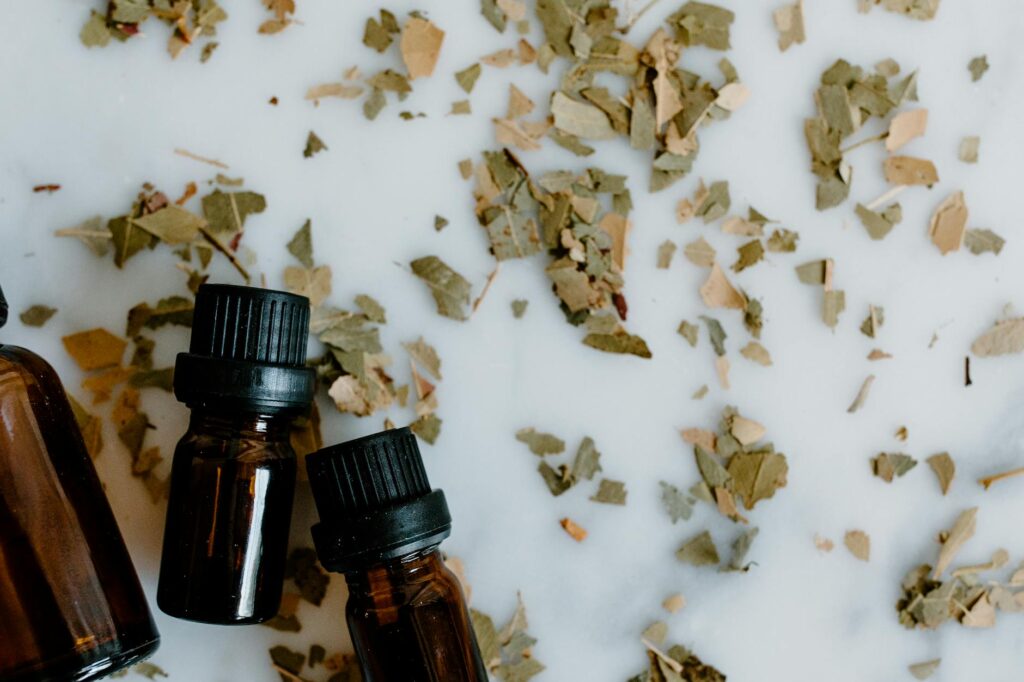
Essential oils should be stored in dark glass bottles to protect them from light, which can degrade the oils over time.
2. Cool Environment
Keep essential oils in a cool, dry place, ideally between 60°F and 70°F (15°C to 21°C). Avoid areas with high humidity, such as bathrooms.
3. Shelf Life
While the shelf life of essential oils can vary, most oils can last for 1-3 years if stored correctly. Citrus oils tend to have a shorter shelf life, while oils like patchouli and sandalwood can last longer.
Frequently Asked Questions
1. Are there specific essential oils recommended for hormonal support?
Commonly recommended essential oils for hormonal support include clary sage, geranium, lavender, peppermint, and frankincense. Each oil has unique properties that can aid in hormonal balance.
2. Can aromatherapy replace medical treatments for hormonal imbalances?
Aromatherapy is not a substitute for medical treatment. It can be used as a complementary therapy to support emotional and physical well-being but should not replace medical advice or treatment.
3. How often should I use aromatherapy blends for hormonal support?
The frequency of use can vary based on individual needs and preferences. Some may find daily use beneficial, while others may prefer occasional use during specific times of need.
4. Are there any contraindications for specific essential oils?
Yes, certain essential oils may not be suitable for everyone, particularly pregnant or breastfeeding individuals. It is advisable to consult with a healthcare professional if you have concerns.
By understanding the benefits and applications of aromatherapy blends for hormonal support, individuals can explore natural methods to enhance their well-being and promote balance in their lives.