
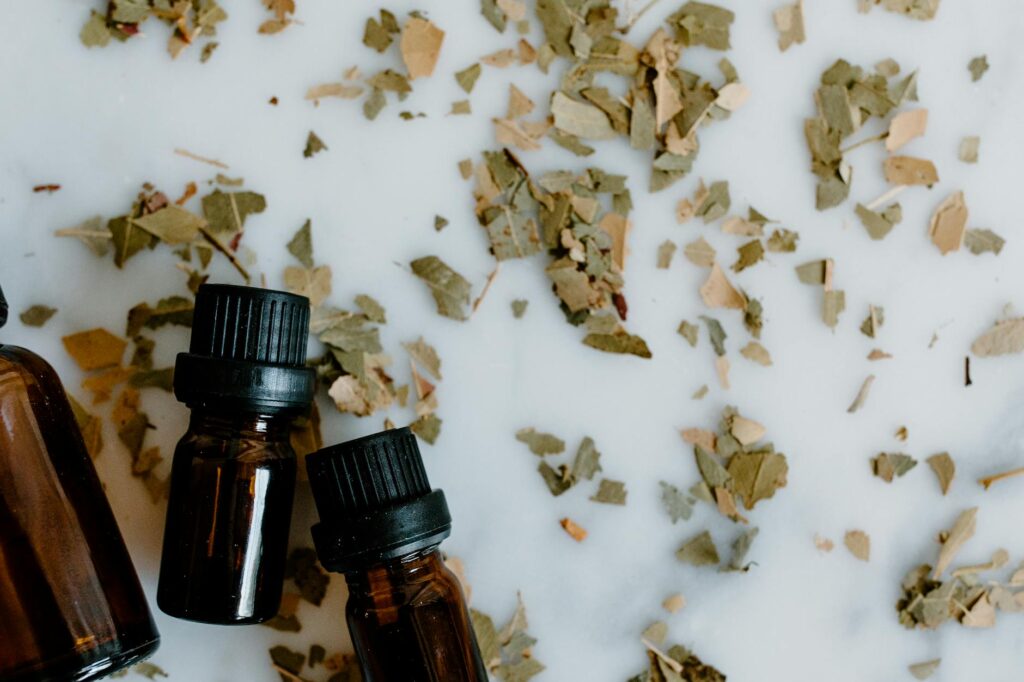
Benefits of Aromatherapy Blends for Immune Resilience
Introduction
In recent years, the interest in natural remedies and holistic practices has surged, leading many individuals to explore the benefits of aromatherapy. This ancient practice utilizes essential oils extracted from various plants to promote physical, emotional, and mental well-being. Among its myriad applications, aromatherapy blends are increasingly recognized for their potential to support immune resilience. This article delves into what aromatherapy blends for immune resilience entail, their key benefits and properties, common uses, and practical applications, while also considering safety and proper storage.
What Is Aromatherapy Blends for Immune Resilience?
Aromatherapy blends for immune resilience are specific combinations of essential oils designed to bolster the body’s natural defenses against illness. These blends can contain oils known for their antimicrobial, antiviral, and antioxidant properties, which may help the body resist pathogens and maintain overall health. By inhaling or applying these oils, individuals may support their immune systems and promote a sense of well-being.
Essential oils can be derived from various parts of plants, including leaves, flowers, roots, and bark. The unique chemical compositions of these oils contribute to their therapeutic effects. When combined thoughtfully, essential oils can enhance each other’s benefits, creating synergistic effects that may support the immune system more effectively than single oils alone.
Key Benefits and Properties
Aromatherapy blends for immune resilience offer a variety of benefits, primarily due to the unique properties of the essential oils used. Some key properties include:
Antimicrobial Properties
Many essential oils, such as tea tree, eucalyptus, and oregano, possess natural antimicrobial properties. These oils can help inhibit the growth of bacteria and fungi, potentially reducing the risk of infections.
Antiviral Effects
Certain essential oils have been studied for their antiviral properties. Oils like lemon and lavender may help combat viruses, contributing to overall immune health.
Antioxidant Support
Essential oils such as rosemary and frankincense are rich in antioxidants, which can help neutralize free radicals in the body. This action supports cellular health and may enhance the immune response.
Stress Relief
Aromatherapy is well-regarded for its ability to promote relaxation and reduce stress. Chronic stress can weaken the immune system, making it essential to incorporate stress-relief techniques, including the use of calming essential oils like chamomile and bergamot.
Enhanced Circulation
Some essential oils can stimulate circulation, potentially improving the distribution of immune cells throughout the body. Oils such as ginger and black pepper are known for their warming properties and may aid in this process.
Common Uses
Aromatherapy blends for immune resilience can be used in various ways, depending on individual preferences and circumstances. Common applications include:
- Diffusion: Using a diffuser to disperse essential oils into the air allows for inhalation, which can help purify the air and uplift mood.
- Topical Application: Diluting essential oils with a carrier oil and applying them to the skin can provide localized benefits. Areas such as the chest and wrists are common application points.
- Bathing: Adding essential oils to bathwater can create a relaxing experience while allowing for absorption through the skin.
- Inhalation: Direct inhalation of essential oils from the bottle or a cotton ball can provide immediate benefits, especially during times of respiratory discomfort.
- Ingredients: Tea tree oil, eucalyptus oil, lemon oil, and peppermint oil.
- Properties: Antimicrobial, antiviral, and uplifting.
- Ingredients: Lavender oil, bergamot oil, and frankincense oil.
- Properties: Calming and anxiety-reducing, which supports overall immune function.
- Ingredients: Thyme oil, rosemary oil, and orange oil.
- Properties: Supports respiratory health and enhances circulation.
- Ingredients: Ginger oil, clary sage oil, and geranium oil.
- Properties: Antioxidant-rich and promotes overall vitality.
- Dark Glass Bottles: Use dark glass containers to protect oils from light, which can degrade their quality.
- Cool, Dry Place: Store oils in a cool, dry place away from direct sunlight and heat sources.
- Tightly Sealed: Ensure that bottles are tightly sealed to prevent oxidation and contamination.
Aromatherapy Applications
When creating aromatherapy blends for immune resilience, it is essential to consider the specific essential oils and their properties. Here are a few popular blends and their components:
Immune Boosting Blend
Stress Relief Blend
Respiratory Support Blend
General Wellness Blend
These blends can be adjusted according to personal preferences and desired effects, allowing for a customizable approach to aromatherapy.
Safety Considerations
While essential oils are generally safe when used correctly, it’s essential to practice caution. Here are some safety considerations:
1. Dilution: Essential oils are highly concentrated and should be diluted with a carrier oil (such as coconut, jojoba, or sweet almond oil) before topical application to prevent skin irritation.
2. Patch Test: Conduct a patch test on a small area of the skin before applying a new blend to ensure there are no adverse reactions.
3. Pregnancy and Nursing: Pregnant or nursing individuals should consult with a healthcare professional before using essential oils, as some oils may not be safe during these periods.
4. Allergies: Individuals with allergies to specific plants or oils should avoid those essential oils.
5. Children and Pets: Special precautions should be taken when using essential oils around children and pets, as some oils can be toxic to animals or cause sensitivities in young children.
Storage and Shelf Life
Proper storage of essential oils is crucial to maintain their potency. Here are some guidelines for storing aromatherapy blends:
Generally, essential oils have a shelf life of 1 to 5 years, depending on the oil type. Citrus oils may have a shorter shelf life, while oils like patchouli and sandalwood can last longer. Always check for changes in aroma or consistency, which may indicate that an oil has gone bad.
Frequently Asked Questions
Can aromatherapy blends replace traditional medicine?
Aromatherapy should not replace traditional medical treatments. While certain essential oils may offer supportive benefits, it is essential to consult a healthcare professional for medical conditions.
How often can I use aromatherapy blends?
Frequency of use depends on individual preference and the specific oils used. Generally, it is safe to use blends multiple times a day, provided they are properly diluted and suitable for the individual.
Are there any essential oils I should avoid?
Certain essential oils, such as wintergreen and eucalyptus, may not be suitable for young children, pregnant women, or individuals with specific health conditions. Always consult safety guidelines before use.
Can I create my own blends?
Absolutely! Creating personalized blends can be a rewarding experience. Start with a few essential oils and experiment with different ratios to discover what works best for you.
Conclusion
Aromatherapy blends for immune resilience represent a natural approach to supporting the body’s defenses against illness. By harnessing the unique properties of essential oils, individuals can promote their overall well-being and enhance their immune function. When used safely and thoughtfully, these blends can serve as a complement to a healthy lifestyle, contributing to emotional balance, stress relief, and enhanced vitality. Whether through diffusion, topical application, or other methods, the benefits of aromatherapy can be a valuable addition to one’s wellness routine.