
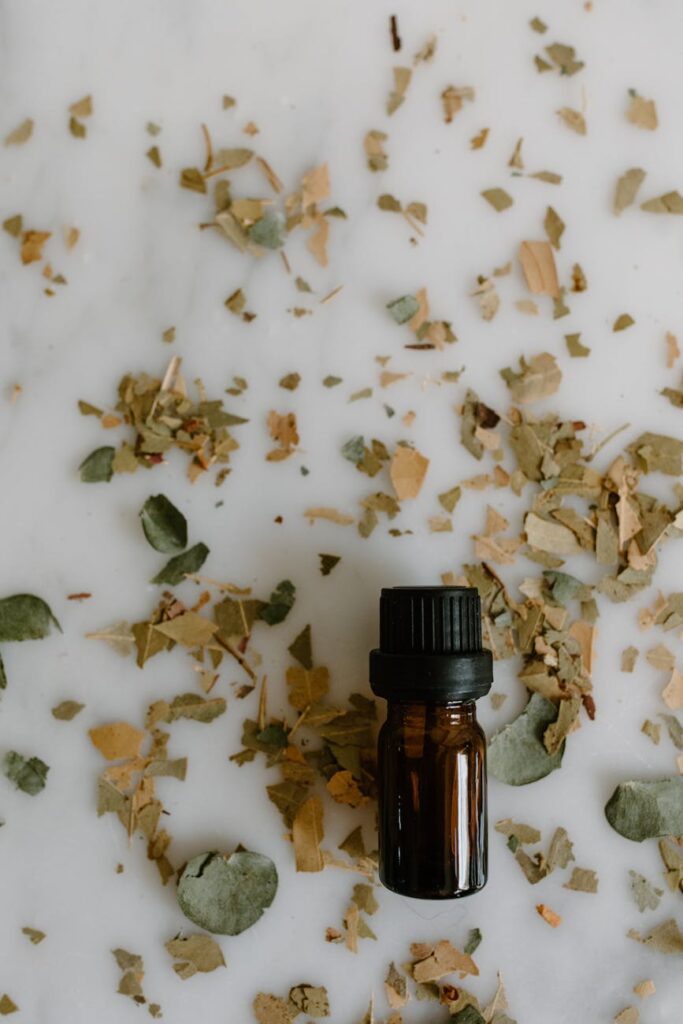
Benefits of Aromatherapy Blends for Immune System Recovery
Introduction
In recent years, the interest in holistic health approaches has surged, with aromatherapy emerging as a popular method for enhancing wellness. Aromatherapy involves the use of essential oils derived from plants for therapeutic purposes, and its blends can be particularly beneficial for supporting the immune system. This article explores the concept of aromatherapy blends for immune system recovery, highlighting their benefits, applications, and considerations for safe use.
What Is Aromatherapy Blends for Immune System Recovery?
Aromatherapy blends for immune system recovery are combinations of essential oils chosen specifically for their properties that may support immune function. These oils can be extracted from various parts of plants, including leaves, flowers, bark, and roots, each possessing unique chemical compounds that contribute to their therapeutic effects.
The creation of a blend typically involves mixing two or more essential oils to enhance their individual benefits. For immune support, these blends often include oils known for their antiseptic, antiviral, antibacterial, and anti-inflammatory properties. Common oils in these blends may include eucalyptus, tea tree, lavender, and lemon, among others.
Key Benefits and Properties
1. Antimicrobial Properties
Many essential oils exhibit antimicrobial properties, making them effective in safeguarding against pathogens. For instance, tea tree oil is renowned for its antibacterial and antifungal effects, while eucalyptus oil possesses antiviral properties. These characteristics can help create a hostile environment for harmful microorganisms.
2. Anti-inflammatory Effects
Inflammation is a natural response of the immune system, but chronic inflammation can compromise health. Essential oils such as lavender and frankincense have been studied for their anti-inflammatory effects, potentially aiding in the reduction of inflammation that may accompany various illnesses.
3. Stress Reduction
Stress can negatively impact immune function. Aromatherapy blends that include calming oils like lavender or chamomile may help reduce stress and anxiety, contributing to a more balanced immune response. The soothing effects of these oils can promote relaxation and enhance overall well-being.
4. Respiratory Support
Certain essential oils can support respiratory health, which is crucial for immune system function. Oils such as peppermint and rosemary may facilitate easier breathing and clear congestion, potentially helping the body to defend itself more effectively against pathogens.
5. Enhanced Circulation
Improved circulation can support immune function by ensuring that immune cells are distributed throughout the body efficiently. Oils like ginger and black pepper are known for their warming properties, which can stimulate blood flow and promote overall vitality.
Common Uses
Aromatherapy blends for immune system recovery can be applied in various ways, catering to individual preferences and needs. Here are some common uses:
1. Diffusion
Using an essential oil diffuser is a popular method for dispersing oils into the air. This allows individuals to inhale the beneficial compounds while also purifying the ambient environment. A blend containing eucalyptus, tea tree, and lemon can create a refreshing atmosphere while supporting immune health.
2. Topical Application
Applying diluted essential oils directly to the skin can provide localized benefits. For example, a blend of lavender and tea tree oil can be used on minor skin irritations or areas of discomfort. It is essential to dilute the oils with a carrier oil, such as coconut or jojoba oil, to minimize the risk of skin irritation.
3. Bath Soaks
Adding essential oils to bath water can create a soothing and therapeutic experience. A combination of lavender, chamomile, and eucalyptus can not only promote relaxation but also support the immune system through inhalation and absorption through the skin.
4. Inhalation
Direct inhalation of essential oils can provide immediate benefits. A quick way to do this is to place a few drops of a chosen blend on a tissue or cotton ball and inhale deeply. This method is particularly effective for respiratory support.
Aromatherapy Applications
1. Homemade Blends
Creating personalized blends allows individuals to tailor their aromatherapy experience. A simple immune-boosting blend can be made by combining equal parts of tea tree, lemon, and lavender oils. This blend can be used in a diffuser, or diluted for topical application.
2. Ready-Made Blends
Many companies offer pre-formulated blends specifically designed to support the immune system. These blends are often crafted by experienced aromatherapists and can provide convenience for those who are new to essential oils.
3. Synergistic Blends
Combining essential oils that complement each other can enhance their effects. A synergistic blend might include oils like eucalyptus for respiratory support, lavender for relaxation, and ginger for circulation, working together to create a holistic immune-boosting experience.
Safety Considerations
While aromatherapy can be beneficial, it is essential to take safety into account:
1. Dilution
Essential oils are potent and should be diluted before topical application. A general guideline is to use a 2-5% dilution, depending on the individual’s skin sensitivity and the oil’s potency.
2. Patch Testing
Before using a new essential oil or blend on a larger skin area, conduct a patch test by applying a small amount to a discreet area. Wait 24 hours to check for any adverse reactions.
3. Pregnancy and Medical Conditions
Individuals who are pregnant, nursing, or have specific medical conditions should consult with a qualified healthcare professional before using essential oils, as some oils may not be safe for certain conditions.
4. Quality of Essential Oils
Choose high-quality, pure essential oils from reputable suppliers to ensure safety and efficacy. Look for oils that are labeled as 100% pure, organic, and free from synthetic additives.
Storage and Shelf Life
Proper storage of essential oils is crucial to maintain their potency. Store oils in a cool, dark place away from direct sunlight. Dark glass bottles are preferred, as they protect the oils from light exposure.
The shelf life of essential oils can vary, but most oils last between 1 to 3 years. Citrus oils typically have a shorter shelf life due to their high oxidation rates. Regularly check for any changes in aroma or consistency, which may indicate that the oil has gone rancid.
Frequently Asked Questions
1. Can aromatherapy replace medical treatment?
Aromatherapy should not be considered a substitute for medical treatment. While it can support overall well-being, it is essential to consult a healthcare professional for any medical concerns.
2. How can I choose the right essential oils for my blend?
Consider your specific needs and preferences when selecting essential oils. Research the properties of different oils and choose those that align with your goals, whether they are immune support, relaxation, or respiratory health.
3. Can children and pets use aromatherapy?
Children and pets can be sensitive to essential oils. Always consult a healthcare professional or a qualified aromatherapist for guidance on safe usage for children or pets.
4. Is it safe to use essential oils during pregnancy?
Not all essential oils are safe during pregnancy. Consult with a healthcare professional to determine which oils are safe to use.
Conclusion
Aromatherapy blends for immune system recovery offer a natural approach to enhancing well-being. By utilizing the properties of essential oils, individuals can support their immune function, reduce stress, and promote overall health. However, it is crucial to use these oils responsibly, considering safety precautions and individual circumstances. As interest in holistic health continues to grow, aromatherapy remains a valuable tool in the pursuit of wellness.