
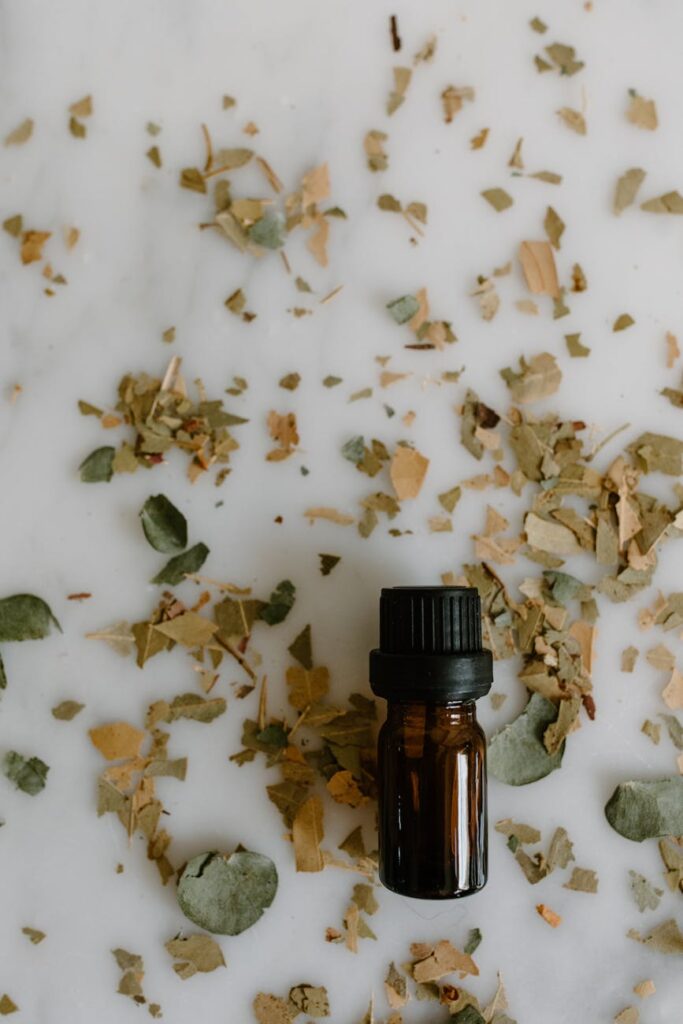
Benefits of Aromatherapy Blends for Immune System Support Enhancement
Introduction
Aromatherapy is a holistic healing practice that utilizes the aromatic properties of essential oils extracted from plants. This age-old therapy has gained popularity in recent years for its potential to enhance well-being, support emotional health, and bolster physical vitality. Among its many applications, aromatherapy blends aimed at enhancing immune system support have drawn considerable attention. This article explores the concept of aromatherapy blends for immune system support, delving into their benefits, applications, safety considerations, and more.
What Is Aromatherapy Blends for Immune System Support Enhancement?
Aromatherapy blends for immune system support are specifically formulated combinations of essential oils designed to promote overall health and bolster the body’s natural defenses. These blends typically consist of oils known for their antimicrobial, anti-inflammatory, and immune-stimulating properties. The synergy created by combining multiple essential oils can amplify their individual effects, offering a more comprehensive approach to supporting health.
Essential Oils Commonly Used
Some essential oils frequently included in immunity-boosting blends are:
- Tea Tree Oil: Known for its antimicrobial properties, tea tree oil may help combat pathogens.
- Eucalyptus Oil: This oil is often praised for its respiratory benefits and is thought to stimulate immune function.
- Lemon Oil: Rich in antioxidants, lemon oil is believed to enhance overall health and boost mood.
- Lavender Oil: Known for its calming effects, lavender oil may reduce stress, which can negatively impact immune function.
- Peppermint Oil: This oil may help with respiratory issues and improve circulation.
- Diffusion: Ideal for creating a calming atmosphere in spaces.
- Topical Application: Useful for targeted support, particularly for stress relief or respiratory issues.
- Inhalation: Provides immediate relief for anxiety or congestion.
- Bathing: Combines the benefits of heat and aroma for relaxation.
- Temperature: Keep oils in a cool, dark place, ideally between 60°F and 75°F (15°C to 24°C).
- Light: Use dark glass bottles to protect the oils from light degradation.
- Sealing: Ensure that bottles are tightly sealed to prevent oxidation.
Key Benefits and Properties
Immune System Support
The primary benefit of aromatherapy blends aimed at immune system support is their potential to enhance the body’s natural defenses. Certain essential oils possess properties that can stimulate immune function, helping the body to better fight off infections and illnesses.
Antimicrobial and Antiviral Properties
Many essential oils are known for their antimicrobial and antiviral properties. They may help reduce the presence of harmful pathogens, thereby decreasing the risk of infections. For example, tea tree oil has been shown to have activity against various bacteria and fungi.
Stress Reduction
Stress can significantly impact immune health. Aromatherapy blends featuring relaxing oils like lavender or chamomile can help alleviate stress and anxiety, promoting a more balanced emotional state. This, in turn, supports overall immune function.
Respiratory Health
Certain essential oils, such as eucalyptus and peppermint, are beneficial for respiratory health. They may help clear the airways, making it easier to breathe, which is vital for overall health and well-being.
Aromatic Enjoyment
Beyond their health benefits, aromatherapy blends can also offer a pleasurable sensory experience. The scent of essential oils can uplift mood, evoke positive emotions, and create a calming atmosphere, making them a valuable addition to daily routines.
Common Uses
Aromatherapy blends for immune support can be incorporated into various aspects of daily life. Here are some common uses:
Diffusion
Using an essential oil diffuser is one of the most popular methods for enjoying the benefits of aromatherapy. Blending oils in a diffuser allows the aromatic compounds to disperse into the air, filling the room with their fragrance and therapeutic properties.
Topical Application
Diluting essential oils in a carrier oil and applying them to the skin can provide localized benefits. This method may enhance absorption and allow for targeted support in areas of concern. Common carrier oils include coconut oil, jojoba oil, and sweet almond oil.
Inhalation
Inhaling essential oils directly from the bottle or from a tissue can offer immediate effects. This method is beneficial for quick stress relief or respiratory support.
Bathing
Adding essential oils to a warm bath can create a soothing environment. The combination of heat and aroma can promote relaxation and enhance the overall experience.
Household Cleaning
Certain essential oils possess antimicrobial properties, making them suitable for natural cleaning solutions. Incorporating these oils into cleaning products can help maintain a healthier living environment.
Aromatherapy Applications
Blending Techniques
Creating effective aromatherapy blends involves understanding the properties of various essential oils and how they can work together. Here are some techniques for blending:
Ratio and Proportion
When blending oils, it is essential to consider the ratios. A common guideline is to use base notes (e.g., cedarwood) in lower proportions, while top notes (e.g., citrus oils) can be used in higher amounts. A balanced blend typically involves a combination of top, middle, and base notes.
Testing and Adjusting
Creating the perfect blend often requires experimentation. Start with small quantities and adjust the proportions until achieving the desired scent and effects. Keeping a journal of successful blends can be helpful for future reference.
Application Methods
Each method of application has its own set of benefits and can be chosen based on personal preference:
Safety Considerations
While essential oils can be beneficial, it is crucial to use them safely:
Dilution
Essential oils are highly concentrated and should be diluted with a carrier oil before topical application to prevent skin irritation. A general guideline is to use a dilution ratio of 1% to 3%, depending on the oil and the intended use.
Skin Sensitivity
Conducting a patch test before using a new essential oil is advisable. Apply a small amount of diluted oil to a patch of skin and observe for any adverse reactions.
Pregnancy and Medical Conditions
Certain essential oils may not be safe for pregnant individuals or those with specific medical conditions. It is advisable to consult a qualified expert or healthcare provider before using essential oils in these circumstances.
Storage
Store essential oils in dark glass bottles away from direct sunlight and heat to preserve their potency. Proper storage can prolong the shelf life of the oils.
Storage and Shelf Life
The shelf life of essential oils can vary based on their chemical composition and how they are stored. Generally, citrus oils tend to have shorter shelf lives, while oils like cedarwood or patchouli can last for several years. Here are some tips for proper storage:
Frequently Asked Questions
Can aromatherapy blends completely prevent illness?
While aromatherapy can support overall health and well-being, it should not be seen as a substitute for medical treatment or preventive care. It is best used as a complementary approach.
How often can I use aromatherapy blends?
The frequency of use depends on individual preferences and the specific oils in the blend. Generally, using blends in moderation—such as a few times a day—can be beneficial.
Are there any essential oils to avoid?
Certain essential oils may not be suitable for pregnant individuals or those with specific health conditions. Oils such as sage, rosemary, and wintergreen should be approached with caution. Consulting a healthcare provider is advisable for personalized recommendations.
Can I create my own blends?
Yes, creating your own blends can be a rewarding experience. Experimenting with different oils and ratios allows for personalized aromatherapy experiences.
Is aromatherapy safe for children and pets?
While some essential oils can be safe for children and pets, others may not be suitable. It is essential to research specific oils or consult an expert before using them around children and animals.
Conclusion
Aromatherapy blends for immune system support enhancement offer a holistic approach to maintaining health and well-being. By understanding the properties and benefits of various essential oils, individuals can create personalized blends to support their immune function, reduce stress, and promote overall vitality. Always practice safety and consider individual circumstances when incorporating aromatherapy into your wellness routine.