
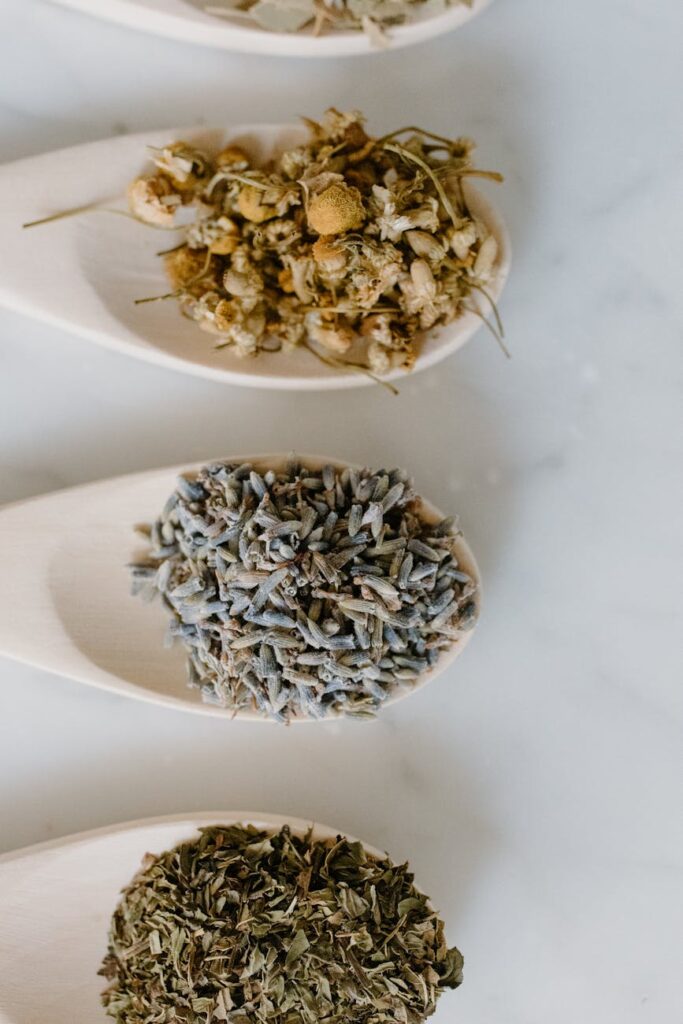
Benefits of Aromatherapy Blends for Meditation
Introduction
Meditation has become increasingly popular as individuals seek ways to enhance their mental clarity, emotional stability, and overall well-being. While meditation techniques can vary widely, the use of aromatherapy blends has emerged as a powerful complement to these practices. Aromatherapy, the use of essential oils extracted from plants, can promote relaxation, focus, and a deeper meditative state. This article explores the benefits, properties, common uses, and safety considerations of aromatherapy blends specifically designed for meditation.
What Is Aromatherapy Blends for Meditation?
Aromatherapy blends for meditation consist of carefully selected essential oils that work synergistically to enhance the meditative experience. Essential oils are concentrated plant extracts that capture the natural fragrance and therapeutic properties of their source. When combined into specific blends, these oils can create an olfactory environment that supports relaxation, concentration, and emotional balance.
These blends may vary in composition, but they often include oils known for their calming, uplifting, or grounding properties. Some common essential oils used in meditation blends include lavender, frankincense, sandalwood, and bergamot.
Key Benefits and Properties
Aromatherapy blends can offer a range of benefits that enhance meditation practices:
1. Promotes Relaxation
Certain essential oils, such as lavender and chamomile, are known for their calming properties. Inhaling these scents can help reduce anxiety and promote a sense of tranquility, making it easier to enter a meditative state.
2. Enhances Focus and Clarity
Oils like rosemary and peppermint are believed to stimulate mental clarity and improve concentration. Incorporating these oils into your meditation practice can help you maintain focus, minimizing distractions during your session.
3. Encourages Emotional Balance
Aromatherapy can positively influence emotions. Oils such as bergamot and ylang-ylang may help alleviate feelings of stress and enhance mood, creating a more conducive atmosphere for meditation.
4. Fosters a Deeper Connection
Certain essential oils, like frankincense and sandalwood, have been used for centuries in spiritual and religious practices. Their grounding properties can help deepen one’s connection to the self or to a higher power during meditation.
5. Aids in Breathing Techniques
Many meditation practices emphasize breathwork. Aromatherapy can enhance this aspect by making the breathing experience more pleasant. Oils like eucalyptus can open airways and promote deeper, more mindful breathing.
Common Uses
Aromatherapy blends for meditation can be used in various ways to suit individual preferences and practices:
1. Diffusion
Using an essential oil diffuser is one of the most popular methods. By dispersing essential oils into the air, you can create a soothing environment for meditation.
2. Inhalation
Direct inhalation involves placing a few drops of an essential oil blend onto a tissue or cotton ball and inhaling deeply. This method provides immediate access to the oils’ calming properties.
3. Topical Application
Diluting essential oils with a carrier oil, such as jojoba or sweet almond oil, allows for safe topical application. Applying the blend to pulse points, such as wrists or temples, can enhance the meditative experience.
4. Bathing
Incorporating aromatherapy blends into a warm bath can create a serene atmosphere. The steam from the bath can help disperse the oils, allowing for a multi-sensory experience.
5. Meditation Accessories
Aromatherapy can also be integrated into meditation accessories. For example, using an aromatherapy necklace or bracelet allows the wearer to carry the scent throughout the day, creating a constant reminder to remain mindful.
Aromatherapy Applications
Incorporating aromatherapy into meditation can be tailored to individual needs:
1. Morning Meditation
For those who meditate in the morning, uplifting oils like citrus (e.g., orange, lemon) can energize and invigorate the mind, setting a positive tone for the day.
2. Evening Meditation
In the evening, calming oils such as lavender and cedarwood can help unwind and prepare the mind and body for rest.
3. Guided Meditations
For guided meditation sessions, selecting a blend that aligns with the theme can enhance the experience. For instance, a grounding blend may support a session focused on mindfulness and presence.
4. Group Meditations
In group settings, using a common aromatherapy blend can create a unified atmosphere, fostering a sense of community and shared experience.
Safety Considerations
While aromatherapy is generally considered safe when used appropriately, it is important to keep a few safety guidelines in mind:
1. Dilution
Essential oils are highly concentrated and should be diluted before topical application. A common recommendation is to use a carrier oil at a ratio of 1-2 drops of essential oil per teaspoon of carrier oil.
2. Allergies and Sensitivities
Individuals should perform a patch test before applying essential oils to the skin to check for potential allergic reactions. Those with sensitivities should consult a professional before using specific oils.
3. Pregnancy and Medical Conditions
Pregnant individuals and those with certain medical conditions should consult a qualified practitioner before using essential oils, as some oils may not be safe during pregnancy or could interact with medications.
4. Quality of Essential Oils
The quality of essential oils can vary significantly. It is advisable to choose oils from reputable sources that provide information on purity and sourcing.
Storage and Shelf Life
Proper storage of essential oils is crucial to maintain their potency and effectiveness. Here are some tips:
1. Dark Glass Containers
Essential oils should be stored in dark glass bottles to protect them from light, which can degrade their quality.
2. Cool, Dry Place
Keeping oils in a cool, dry place away from heat sources can help extend their shelf life.
3. Shelf Life
The shelf life of essential oils varies depending on the type. Generally, citrus oils have a shorter shelf life (around 1-2 years), while oils like sandalwood and patchouli can last much longer (up to 10 years or more) if stored properly.
Frequently Asked Questions
Q1: Can I create my own aromatherapy blends for meditation?
A: Yes, personalizing your own blends can be a rewarding experience. Start with a base oil and gradually add other oils based on your preferences and desired effects.
Q2: How do I choose the right essential oils for my meditation practice?
A: Consider your goals for meditation. If you seek relaxation, oils like lavender may be ideal. For focus, consider peppermint or rosemary. Experiment with different oils to find what resonates with you.
Q3: Can I use aromatherapy blends during other activities, such as yoga?
A: Absolutely. Aromatherapy can enhance various activities that require focus and mindfulness, including yoga, reading, or even daily routines.
Q4: How often should I use aromatherapy blends for meditation?
A: You can use aromatherapy blends as often as you feel comfortable. Some individuals may use them daily, while others may prefer them for specific meditation sessions.
Q5: Is there a specific time of day that is best for using aromatherapy blends?
A: The best time depends on individual preferences and schedules. Morning sessions may benefit from invigorating scents, while evening sessions may favor calming aromas.
Conclusion
Aromatherapy blends can significantly enhance the meditation experience by promoting relaxation, focus, and emotional balance. By understanding the properties of different essential oils and how to use them safely, individuals can create a personalized and enriching meditation practice. Whether you are a seasoned meditator or new to the practice, incorporating aromatherapy can deepen your journey toward mindfulness and self-discovery.