
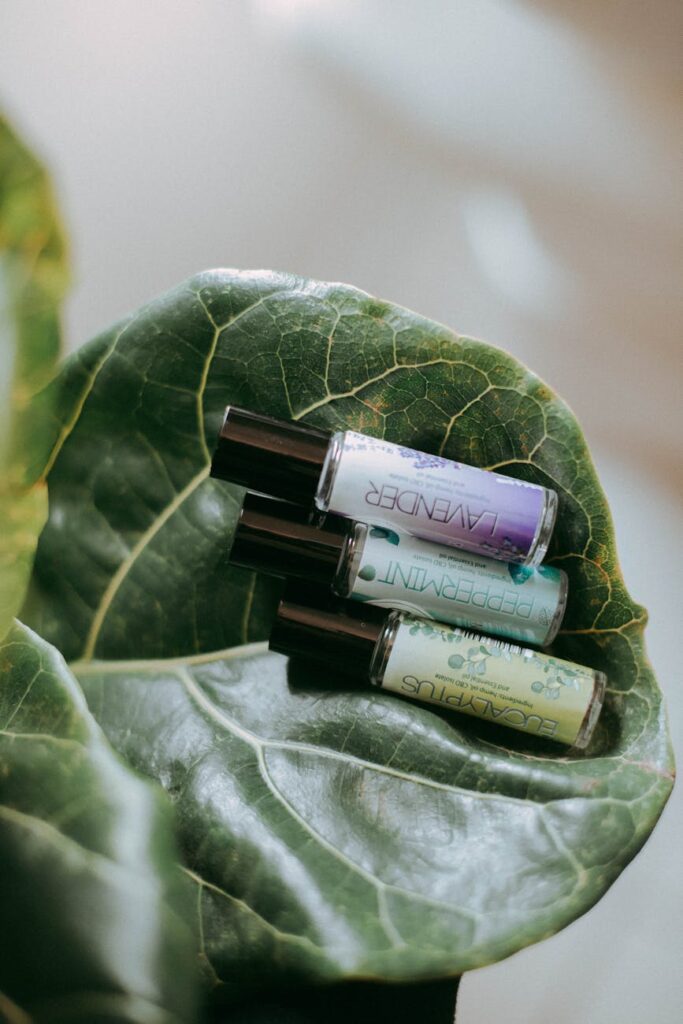
Benefits of Aromatherapy Blends for Mood Enhancement
Introduction
Aromatherapy, a holistic healing practice that utilizes essential oils derived from plants, has gained significant popularity over the years. Among its various applications, mood enhancement is one of the most sought-after benefits. This article aims to explore the concept of aromatherapy blends specifically designed for mood enhancement, delving into their benefits, properties, common uses, applications, safety considerations, storage, and frequently asked questions.
What Is Aromatherapy Blends for Mood Enhancement?
Aromatherapy blends for mood enhancement consist of carefully selected essential oils that are combined to promote emotional well-being. These blends can influence the limbic system—the part of the brain that governs emotions—by stimulating olfactory receptors. As a result, they can help alleviate feelings of anxiety, stress, and sadness, while also promoting feelings of happiness, calmness, and contentment.
Essential oils used in these blends may vary in their properties and effects, allowing individuals to choose combinations that resonate with their emotional needs. The art of blending essential oils requires knowledge of their unique characteristics and how they interact with one another, resulting in synergistic effects that can enhance mood more effectively than single oils alone.
Key Benefits and Properties
The benefits of aromatherapy blends for mood enhancement are manifold. Here are some key properties of essential oils commonly utilized in these blends:
1. Uplifting Effects: Oils like sweet orange and bergamot contain uplifting properties that can help combat feelings of sadness or depression. Their bright, citrusy scents are often associated with joy and positivity.
2. Calming Effects: Lavender and chamomile are renowned for their calming effects. These oils can help reduce anxiety and promote relaxation, making them ideal for those experiencing stress or agitation.
3. Balancing Emotions: Oils such as frankincense and geranium can help balance emotions by reducing tension and promoting a sense of peace. They are often used in blends aimed at emotional stability.
4. Energizing Properties: Peppermint and rosemary are energizing oils that can enhance focus and motivation. They are particularly useful for individuals who need a mental boost during periods of fatigue or lethargy.
5. Grounding Effects: Essential oils like cedarwood and vetiver have grounding properties that can foster a sense of stability and connection. These oils are often included in blends aimed at enhancing mindfulness and presence.
Common Uses
Aromatherapy blends for mood enhancement can be utilized in various settings and for different purposes. Here are some common applications:
- Home Diffusion: Using an essential oil diffuser to disperse aromatherapy blends throughout a living space can create a calming or uplifting atmosphere, depending on the chosen oils.
- Topical Application: When diluted with a carrier oil, mood-enhancing blends can be applied to pulse points, such as wrists or behind the ears. This method allows for personal inhalation and can provide immediate effects.
- Bathing: Adding aromatherapy blends to bathwater can enhance relaxation and create a soothing environment. The warm water helps to release the oils into the air, promoting inhalation.
- Inhalation: Simply inhaling the scent of a blend directly from the bottle or using a personal inhaler can offer quick mood enhancement. This method is particularly useful for on-the-go relief.
- Massage: Incorporating mood-enhancing blends into massage oils can deepen the relaxation experience. The combination of touch and scent can have profound effects on emotional well-being.
- Keep Away from Light: Essential oils should be stored in dark glass bottles to protect them from light degradation.
- Cool, Dry Place: Store oils in a cool, dry location, away from direct sunlight and heat sources. High temperatures can alter the chemical composition of the oils.
- Check Expiration Dates: Essential oils have varying shelf lives, typically ranging from 1 to 5 years, depending on the type. Regularly check for any signs of rancidity or changes in scent.
Aromatherapy Applications
The application of aromatherapy blends for mood enhancement can be quite versatile. Here are several methods to consider:
Diffusion
Using an essential oil diffuser is one of the most popular ways to disperse aromatic compounds into the air. This method is effective for creating an environment conducive to mood enhancement.
Inhalers
Personal inhalers allow individuals to carry their favorite blends with them. By simply inhaling the scent when needed, users can quickly access mood-enhancing benefits throughout the day.
Roll-Ons
Essential oil blends can be pre-diluted in a rollerball bottle for easy application. This method is convenient for those looking for a portable option for on-the-spot relief.
Bath Salts
Creating bath salts infused with mood-enhancing essential oils provides a luxurious way to unwind. The combination of warm water and aromatic oils can significantly enhance the bath experience.
Aromatherapy Jewelry
Wearing jewelry designed to hold essential oils can provide a constant source of aroma. This method allows for subtle inhalation of scents that promote emotional well-being throughout the day.
Safety Considerations
While aromatherapy blends for mood enhancement can offer various benefits, it is essential to use them safely. Here are some key safety considerations:
1. Dilution: Essential oils are potent and should be diluted with a carrier oil before topical application. A common dilution ratio is 2-3% essential oil to carrier oil.
2. Skin Sensitivity: Some individuals may be sensitive to specific essential oils. It is advisable to perform a patch test before applying a new blend to a larger area of skin.
3. Pregnancy and Nursing: Pregnant or nursing individuals should consult a qualified practitioner before using essential oils, as some oils may not be safe during these times.
4. Medical Conditions: Individuals with certain medical conditions or those taking medication should consult a healthcare professional before using aromatherapy blends, as some oils may interact with medications.
5. Children and Pets: Extra caution should be exercised when using essential oils around children and pets. Some oils can be toxic or irritating to them.
Storage and Shelf Life
To maintain the quality of aromatherapy blends, proper storage is essential. Here are some tips:
Frequently Asked Questions
1. Can I create my own mood-enhancing blends?
Yes, creating your own blends can be a rewarding experience. Begin by selecting essential oils that resonate with your emotional needs and experiment with different combinations.
2. How long does it take to feel the effects of aromatherapy blends?
The effects of aromatherapy can vary from person to person. Many individuals report feeling the benefits almost immediately, while for others, it may take longer to notice changes in mood.
3. Are there any essential oils that should be avoided?
Certain oils may be irritating to the skin or have contraindications, particularly for specific populations. Research each oil you plan to use, and consult with a qualified practitioner if you have concerns.
4. Can aromatherapy blends replace therapy or medication?
Aromatherapy can be a complementary approach to emotional well-being but should not replace professional medical advice or treatment. It is advisable to consult with a healthcare provider for serious emotional concerns.
5. How often can I use aromatherapy blends?
The frequency of use can depend on individual preference and sensitivity. As a general guideline, using blends several times a day can be beneficial, but pay attention to your body’s responses.
Conclusion
Aromatherapy blends for mood enhancement offer a natural and holistic approach to emotional well-being. By understanding the properties and benefits of various essential oils, individuals can create personalized blends that resonate with their unique emotional needs. Through mindful application and consideration of safety precautions, aromatherapy can serve as a valuable addition to one’s self-care routine, promoting balance, calmness, and joy in daily life.