
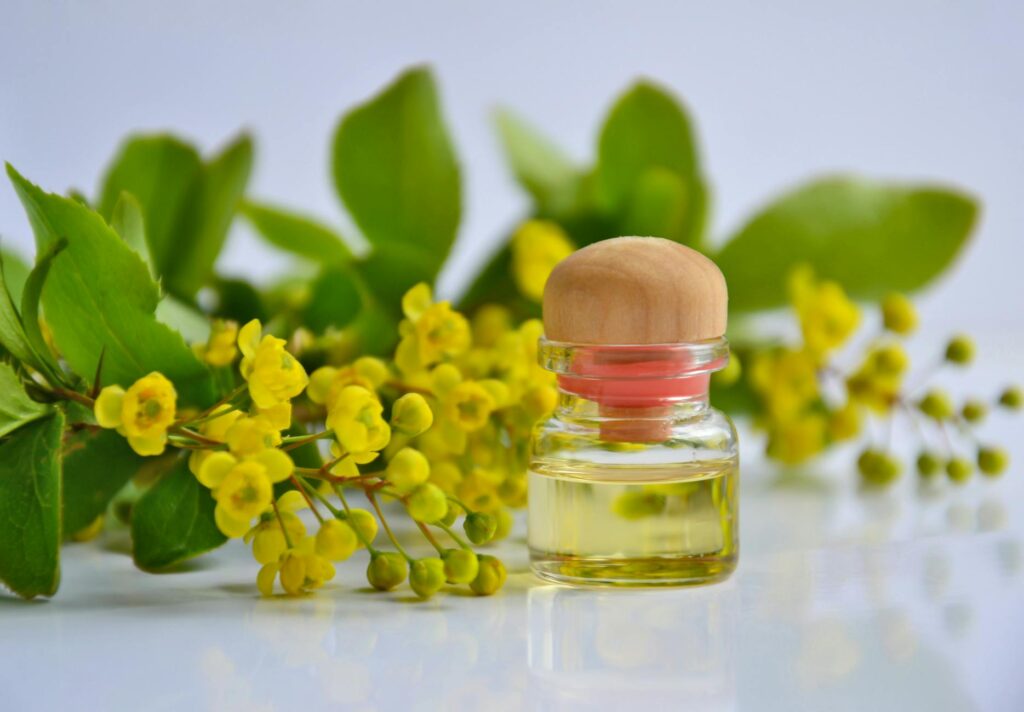
Benefits of Aromatherapy Blends for Mood Stabilization
Introduction
Aromatherapy, the practice of using essential oils extracted from plants for therapeutic purposes, has gained significant popularity in recent years. One of its key applications is mood stabilization, where specific blends are used to promote emotional well-being and mental clarity. This article explores the concept of aromatherapy blends designed for mood stabilization, outlining their benefits, common uses, applications, safety considerations, and storage guidelines.
What Is Aromatherapy Blends for Mood Stabilization?
Aromatherapy blends for mood stabilization typically consist of a combination of essential oils that are believed to influence emotional states positively. These blends may include oils derived from flowers, herbs, spices, and other botanicals, each contributing unique properties. The synergistic effects of these oils aim to create a balanced emotional atmosphere, encouraging feelings of calmness, happiness, and emotional resilience.
The practice of blending essential oils takes into account the individual properties of each oil, including their scent, therapeutic benefits, and how they interact with one another. Commonly used essential oils for mood stabilization include lavender, bergamot, chamomile, and ylang-ylang, among others.
Key Benefits and Properties
Aromatherapy blends for mood stabilization may offer several key benefits, which can be attributed to the properties of the essential oils involved:
1. Stress Reduction
Certain essential oils, like lavender and chamomile, are renowned for their calming effects. They may help reduce stress and anxiety levels, allowing individuals to achieve a more relaxed state.
2. Enhanced Mood
Citrus oils, such as bergamot and sweet orange, are often included in mood stabilization blends due to their uplifting properties. They may help elevate mood and promote feelings of happiness.
3. Emotional Balance
Blends that include grounding oils like vetiver or sandalwood can encourage emotional stability. These oils may help individuals feel more centered and balanced.
4. Improved Focus
Certain essential oils can also enhance mental clarity and focus. Peppermint and rosemary, for example, may help stimulate the mind and improve concentration.
5. Promoting Sleep
Blends that include sedative oils like lavender and marjoram may aid in promoting restful sleep. This is particularly beneficial for individuals who experience mood fluctuations due to sleep disturbances.
Common Uses
Aromatherapy blends for mood stabilization can be utilized in various contexts to support emotional well-being. Common uses include:
1. Diffusion
Using an essential oil diffuser allows the aroma to fill a room, creating a calming environment. This method is effective in homes, offices, and therapy spaces.
2. Topical Application
Diluted blends can be applied to pulse points or massaged into the skin. Areas such as wrists, temples, and the back of the neck are popular choices.
3. Bath Soaks
Adding a few drops of essential oil blends to bathwater can create a soothing experience, helping to relieve tension and promote relaxation.
4. Inhalation
Inhaling essential oils directly from the bottle or from a cotton ball can provide immediate emotional support, especially in stressful situations.
5. Personal Inhalers
These portable devices allow for on-the-go inhalation of essential oils, making them convenient for managing mood fluctuations throughout the day.
Aromatherapy Applications
Aromatherapy blends can be tailored to meet individual needs and preferences. Here are a few applications to consider:
1. Morning Boost
A blend containing uplifting citrus oils and invigorating mint can be used in the morning to promote positive energy and motivation for the day ahead.
2. Midday Calm
During stressful workdays, a calming blend with lavender and chamomile can help alleviate anxiety and restore focus.
3. Evening Wind-Down
Combining sedative oils such as lavender and marjoram in the evening can create a peaceful atmosphere conducive to relaxation and restful sleep.
4. Seasonal Support
Seasonal changes can impact mood. Blends with grounding oils like cedarwood may help stabilize emotions during transitional periods.
5. Meditative Practices
Incorporating specific blends into meditation or yoga practices can enhance the experience, fostering deeper relaxation and emotional clarity.
Safety Considerations
While aromatherapy is generally considered safe, it is crucial to follow specific guidelines to ensure proper use:
1. Dilution
Essential oils should be diluted before topical application to prevent skin irritation. A general guideline is to use a carrier oil, such as coconut or jojoba oil, to dilute essential oils at a ratio of 2-3 drops per teaspoon.
2. Patch Testing
Before applying a new blend to the skin, a patch test should be performed to check for allergic reactions. Apply a small amount of diluted oil to an inconspicuous area and monitor for any adverse reactions.
3. Avoiding Sensitive Areas
Essential oils should not be applied near sensitive areas such as the eyes or mucous membranes. Inhalation or diffusion is recommended for these areas instead.
4. Consulting Professionals
Individuals with underlying health conditions, pregnant or nursing women, and those taking medications should consult with a qualified healthcare professional before using essential oils.
5. Child Safety
Aromatherapy blends should be used cautiously around children. It is advisable to use child-safe oils and to dilute them further as necessary.
Storage and Shelf Life
Proper storage of essential oils is essential to maintain their efficacy and longevity:
1. Dark Glass Containers
Essential oils should be stored in dark glass bottles to protect them from light, which can degrade the oil over time.
2. Cool, Dry Place
Keeping essential oils in a cool, dry place away from heat sources and humidity can extend their shelf life.
3. Expiration Dates
Most essential oils have a shelf life of 1-3 years, while some oils may last longer. It is advisable to check for any changes in scent, color, or viscosity, which may indicate spoilage.
4. Labeling
Properly labeling bottles with the name, date of purchase, and any other relevant information can help track usage and freshness.
Frequently Asked Questions
1. Can aromatherapy blends replace traditional therapy?
Aromatherapy should be viewed as a complementary practice rather than a replacement for traditional therapy. It can support emotional well-being but should not substitute professional mental health treatment.
2. How do I choose the right blend for my mood?
Selecting a blend often depends on personal preferences and desired outcomes. Experimenting with various oils and blends can help identify what resonates best for individual needs.
3. Are there any essential oils I should avoid?
Certain oils may not be suitable for everyone, particularly those with allergies or sensitivities. It is essential to research and choose oils that align with personal health considerations.
4. How long does the effect of aromatherapy last?
The duration of the effects can vary based on individual response and the method of application. Inhalation may provide immediate short-term effects, while topical application may have longer-lasting benefits.
5. Can I create my own blends?
Yes, creating custom blends can be a rewarding experience. By understanding the properties of various oils, individuals can tailor blends to meet their specific mood stabilization needs.
Conclusion
Aromatherapy blends for mood stabilization offer a holistic approach to emotional well-being, tapping into the power of nature’s botanicals. By understanding the properties and benefits of various essential oils, individuals can create personalized experiences that enhance their emotional resilience and support overall mental clarity. As with any wellness practice, it is essential to approach aromatherapy thoughtfully and safely, allowing the soothing scents of nature to promote a balanced emotional state.