
Benefits of Aromatherapy Blends for Pet Care
Introduction
Aromatherapy has gained significant attention in recent years for its potential benefits in enhancing human health and wellbeing. However, the aromatic properties of essential oils can also extend to our furry companions. Aromatherapy blends specifically designed for pet care can not only create a calming environment but also contribute to overall wellness in pets. This article explores the fundamentals of aromatherapy blends for pet care, highlighting their key benefits, common uses, and important safety considerations.
What Is Aromatherapy Blends for Pet Care?
Aromatherapy blends for pet care involve the use of essential oils derived from plants, which are combined to create specific therapeutic effects. These blends can be used in various forms, such as diffusers, sprays, or topical applications, depending on the intended benefit. The essential oils chosen for pets are selected based on their safety and effectiveness, with an emphasis on promoting relaxation, alleviating stress, and supporting overall wellbeing.
Key Benefits and Properties
1. Stress Reduction
Many pets experience anxiety due to various factors, including loud noises, unfamiliar environments, or changes in routine. Aromatherapy blends containing calming essential oils, such as lavender or chamomile, can help to soothe anxious pets, promoting relaxation and comfort.
2. Improved Mood
Aromatherapy can also enhance the emotional state of pets. Citrus oils, such as sweet orange and bergamot, are known for their uplifting properties. Incorporating these oils into a pet’s environment can contribute to a more positive mood and help combat feelings of sadness or lethargy.
3. Support for Skin and Coat Health
Certain essential oils possess properties that can be beneficial for skin and coat health. Oils like tea tree and cedarwood are known for their antifungal and antibacterial properties. When diluted and used appropriately, these oils can support healthy skin and a shiny coat.
4. Promotion of Calmness During Travel
Traveling can be stressful for pets. Aromatherapy blends can be used to create a calming atmosphere in vehicles or during trips. Blends that include calming oils can help pets feel more at ease and reduce the likelihood of motion sickness.
Common Uses
1. Diffusion
Using a diffuser is one of the most popular methods for introducing aromatherapy into a pet’s environment. By dispersing essential oils into the air, pets can benefit from the aromatic properties without direct application. It is essential to ensure that the space is well-ventilated and that pets can exit the area if they choose.
2. Topical Applications
Diluted essential oils can be applied topically to pets, particularly for skin issues or to promote relaxation. It is crucial to use a carrier oil to dilute the essential oil and to conduct a patch test before widespread application to ensure there is no adverse reaction.
3. Room Sprays
Creating a room spray with essential oils can help to freshen the environment while providing therapeutic benefits. This method can be particularly useful for areas where pets frequently spend time, such as their sleeping quarters or play areas.
4. Bathing Solutions
Adding a few drops of pet-safe essential oils to bathwater can enhance a pet’s bathing experience. Calming oils can help to soothe nervous pets, making bath time more enjoyable.
Aromatherapy Applications
1. Calming Blends
A calming blend may include essential oils such as lavender, chamomile, and ylang-ylang. This combination can be useful for pets experiencing anxiety or stress, particularly during thunderstorms or fireworks.
2. Skin Care Blends
For pets with skin irritations, a blend containing tea tree oil and lavender can be beneficial. These oils can help to soothe irritated skin and promote healing.
3. Uplifting Blends
An uplifting blend can consist of citrus oils, such as lemon and sweet orange, combined with peppermint. This blend can help to elevate a pet’s mood and promote a sense of wellbeing.
4. Travel Blends
To ease travel anxiety, a blend of lavender, chamomile, and frankincense can be effective. This mixture can help create a calming atmosphere during car rides or trips.
Safety Considerations
While essential oils can offer numerous benefits, it is essential to approach their use with caution when it comes to pets. Here are some safety guidelines:
1. Choose Pet-Safe Oils
Not all essential oils are safe for pets. Some oils, such as tea tree, eucalyptus, and peppermint, can be toxic to cats and dogs. Always research the safety of specific oils before use.
2. Dilution is Key
Essential oils are highly concentrated substances and should always be diluted before application. A common ratio is one drop of essential oil to a teaspoon of carrier oil, but this may vary depending on the oil and the pet’s size.
3. Monitor Reactions
After introducing a new essential oil or blend, closely monitor pets for any adverse reactions. Signs of discomfort may include excessive licking, sneezing, or changes in behavior.
4. Consult a Professional
Before using aromatherapy blends, especially for pets with pre-existing health conditions or those that are pregnant or nursing, consult a veterinarian or a certified aromatherapist experienced in animal care.
Storage and Shelf Life
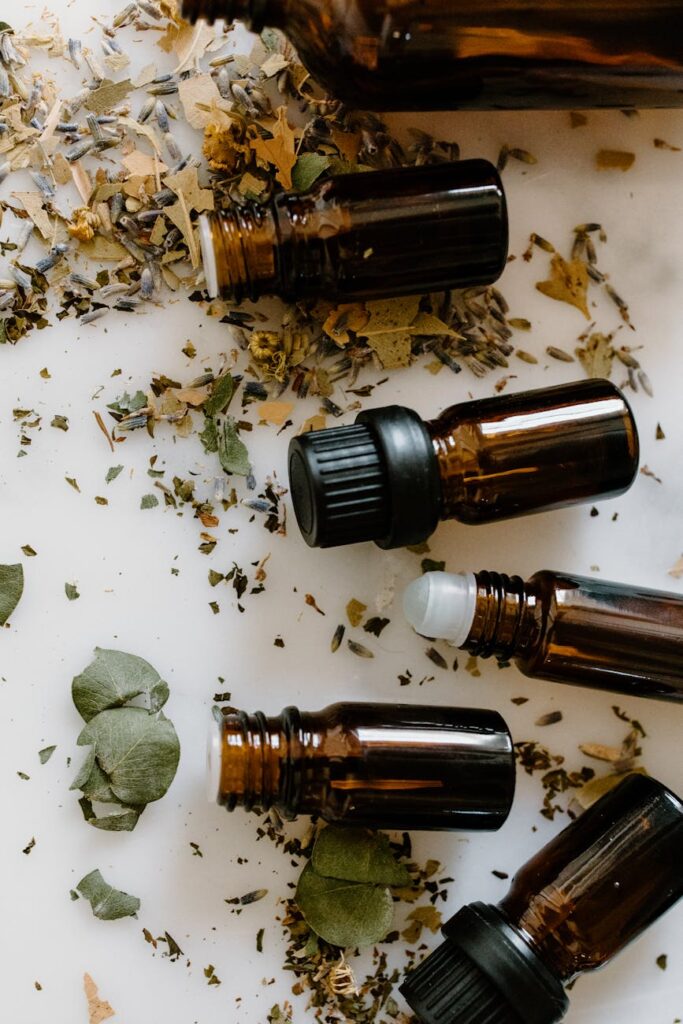
Proper storage of essential oils is vital to maintain their efficacy. Essential oils should be stored in a cool, dark place, away from direct sunlight. They should be kept in tightly sealed, amber or cobalt glass bottles to minimize exposure to air and light, which can degrade the oils over time.
The shelf life of essential oils varies depending on the type of oil and how it is stored. Generally, most oils last for one to three years, but citrus oils may have a shorter shelf life. Always check for changes in color, consistency, or scent before using oils that have been stored for an extended period.
Frequently Asked Questions
1. Are all essential oils safe for pets?
No, not all essential oils are safe for pets. It’s crucial to research and select oils that are known to be safe for the specific animal species you are caring for, as some oils can be toxic.
2. How should I use aromatherapy blends with my pet?
Aromatherapy blends can be used in various ways, including diffusion, topical applications, or room sprays. Always ensure proper dilution and observe your pet’s behavior for any signs of discomfort.
3. Can I use essential oils around my cats?
Cats are particularly sensitive to certain essential oils. It is essential to consult with a veterinarian about which oils are safe for feline companions and to use them cautiously.
4. How long should I diffuse essential oils around my pets?
Diffusion sessions should be kept short, especially when first introducing a new oil. Limit diffusion to 15-30 minutes at a time and ensure the room is well-ventilated.
5. What should I do if my pet has an adverse reaction to an essential oil?
If you suspect your pet is having an adverse reaction to an essential oil, stop using it immediately and consult a veterinarian for advice.
Conclusion
Aromatherapy blends can offer a myriad of benefits for pet care, enhancing the quality of life for our beloved companions. By understanding the properties of essential oils and applying them safely, pet owners can create a calming and supportive environment for their pets. Always prioritize safety and consult with professionals when in doubt to ensure the best care for your furry friends.