
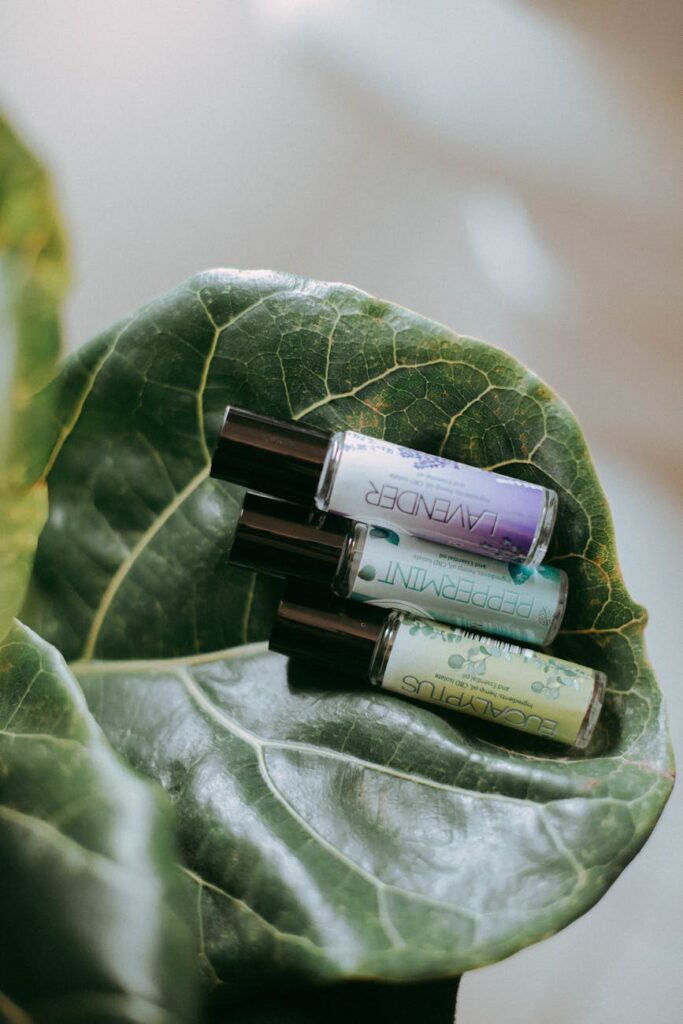
Benefits of Aromatherapy Blends for Relaxation and Calmness
Introduction
In an increasingly fast-paced world, the quest for relaxation and calmness has become more significant than ever. Aromatherapy, a holistic healing practice that utilizes essential oils for therapeutic purposes, has gained popularity as a natural means of promoting relaxation. Aromatherapy blends, particularly those designed for relaxation and calmness, offer a sensory experience that can enhance emotional well-being and provide a sanctuary from daily stressors. This article delves into the essence of relaxation-focused aromatherapy blends, exploring their benefits, applications, and safety considerations.
What Is Aromatherapy Blends for Relaxation and Calmness?
Aromatherapy blends for relaxation and calmness consist of carefully curated combinations of essential oils known for their soothing properties. Essential oils are concentrated extracts derived from various plant parts, such as flowers, leaves, bark, and roots. Each oil possesses distinct aromatic profiles and therapeutic properties.
When blended, these oils can synergistically enhance their individual benefits, creating a more profound effect on the mind and body. Common essential oils used in these blends include lavender, chamomile, bergamot, and ylang-ylang, among others. The intentional combination of these oils aims to create an atmosphere of tranquility, helping individuals unwind and alleviate stress.
Key Benefits and Properties
Aromatherapy blends for relaxation and calmness offer a range of benefits that extend beyond mere pleasant scents. Here are some key properties:
1. Stress Reduction
Many essential oils used in relaxation blends have been shown to reduce feelings of stress. For instance, lavender is renowned for its calming effects, which may help decrease anxiety and promote a sense of peace.
2. Improved Sleep Quality
Certain blends are formulated to aid sleep by creating a calming environment. Oils like chamomile and cedarwood are known for their sedative properties, making them ideal companions in bedtime rituals.
3. Enhanced Mood
Aromatherapy can influence emotional well-being. Citrus oils, such as bergamot, can enhance mood and promote feelings of joy, while grounding oils like sandalwood can instill a sense of stability and calm.
4. Mindfulness and Meditation Support
Incorporating aromatherapy into mindfulness practices can deepen the experience. The right blend can help center the mind, allowing for more profound meditation and self-reflection.
5. Physical Relaxation
The olfactory system is intricately linked to the brain’s limbic system, which plays a significant role in regulating emotions and physical responses. Aromatherapy can promote muscle relaxation and relieve tension, contributing to an overall sense of well-being.
Common Uses
Aromatherapy blends for relaxation and calmness can be utilized in various settings and practices. Some of the most common uses include:
1. Diffusion
Using an essential oil diffuser is one of the most popular methods for dispersing aroma into the air. Simply add a few drops of the relaxation blend to the diffuser, allowing the scent to fill the room and create a calming atmosphere.
2. Topical Application
Diluting essential oils in a carrier oil (such as coconut or jojoba oil) allows for direct application to the skin. This method can be particularly effective for localized relief, such as applying a relaxing blend to pulse points or areas of tension.
3. Bath Soaks
Adding essential oils to bathwater can provide a luxurious and calming experience. A few drops of a relaxation blend mixed with a carrier oil or bath salts can transform an ordinary bath into a soothing retreat.
4. Inhalation
For a quick calming effect, inhaling from the bottle or placing a few drops on a handkerchief can provide immediate relief. This method can be particularly useful during stressful situations or moments of anxiety.
5. Pillow Sprays
Creating a pillow spray using a relaxation blend can enhance sleep quality. A light mist over bedding can create a tranquil ambiance conducive to restful sleep.
Aromatherapy Applications
The application of aromatherapy blends can vary based on individual preferences and specific needs. Here are a few methods to consider:
1. Aromatherapy Massage
Incorporating essential oils into massage therapy can amplify relaxation. A trained massage therapist can blend oils with carrier oils for a deeply soothing experience.
2. Yoga and Meditation
Using aromatherapy during yoga or meditation sessions can enhance focus and relaxation. Diffusing a calming blend or applying it topically prior to practice can create a serene environment.
3. Stress Relief in the Workplace
Integrating aromatherapy into the workplace can promote a calming atmosphere. Diffusing relaxation blends in office spaces or using personal inhalers can help reduce stress levels during the workday.
4. Travel Companion
Aromatherapy blends can serve as a portable source of calmness during travel. Carrying a small inhaler or a roll-on blend can provide comfort in unfamiliar environments.
Safety Considerations
While aromatherapy is generally considered safe, there are essential guidelines to follow to ensure a positive experience:
1. Dilution
Always dilute essential oils before applying them to the skin. A typical dilution ratio is 2-3 drops of essential oil per teaspoon of carrier oil. This practice helps prevent skin irritation and sensitization.
2. Patch Testing
Before using a new blend, perform a patch test on a small area of skin to check for any allergic reactions. Discontinue use if any irritation occurs.
3. Pregnancy and Nursing
Pregnant or nursing individuals should consult with a qualified aromatherapy practitioner or healthcare provider before using essential oils, as some oils may not be safe during these periods.
4. Pre-existing Conditions
Individuals with pre-existing health conditions or those taking medication should consult with a healthcare professional before using essential oils, particularly if they are new to aromatherapy.
5. Children and Pets
Exercise caution when using essential oils around children and pets, as certain oils can be harmful. Always research which oils are safe for use with specific age groups or animals.
Storage and Shelf Life
Proper storage of essential oils is crucial for maintaining their potency and efficacy. Here are some guidelines:
1. Dark Glass Containers
Store essential oils in dark glass bottles to protect them from light, which can degrade their quality. Amber or cobalt blue bottles are ideal for this purpose.
2. Cool, Dry Place
Keep essential oils in a cool, dry area away from direct sunlight and heat sources. Temperature fluctuations can alter their chemical composition.
3. Shelf Life
Most essential oils have a shelf life of one to three years, depending on the oil type. Citrus oils tend to have a shorter shelf life, while oils like patchouli and vetiver can last much longer. Check for any changes in color, scent, or viscosity as indicators of spoilage.
Frequently Asked Questions
1. Can I create my own aromatherapy blends?
Yes, creating your own blends can be a rewarding experience. Start with a few essential oils that you enjoy and experiment with different ratios to find a combination that resonates with you.
2. How do I know which oils are best for relaxation?
Researching individual oils and their properties can help you identify which ones promote relaxation. Common choices include lavender, chamomile, and bergamot, but personal preference plays a significant role.
3. Can aromatherapy be used alongside other therapies?
Aromatherapy can complement various holistic practices, such as massage, yoga, and meditation. However, it is essential to communicate with your practitioners about your use of essential oils.
4. Is there a risk of allergic reactions to essential oils?
Yes, some individuals may experience allergic reactions to specific oils. Always perform a patch test and consult with a healthcare professional if you have concerns about allergies.
5. How often can I use aromatherapy blends?
Aromatherapy can be used as frequently as desired, but it is important to listen to your body and adjust usage based on personal preference and sensitivity.
Conclusion
Aromatherapy blends for relaxation and calmness offer a natural approach to managing stress and promoting emotional well-being. By harnessing the power of essential oils, individuals can create calming environments and cultivate a sense of peace in their lives. Whether through diffusion, topical application, or other methods, the benefits of these aromatic blends can enrich daily routines and enhance overall quality of life. As with any holistic practice, understanding safety considerations and personal preferences is essential for a rewarding experience with aromatherapy.