
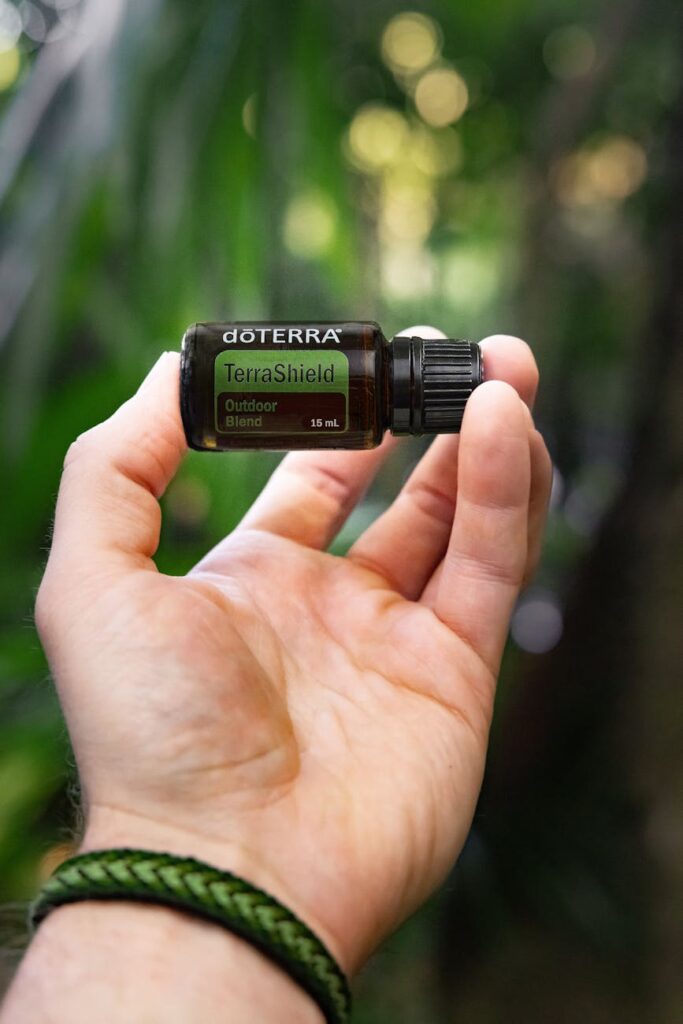
Benefits of Aromatherapy Blends for Respiratory Health
Introduction
Aromatherapy, the practice of using essential oils for therapeutic benefits, has gained significant popularity in recent years. Among its many applications, aromatherapy blends specifically designed for respiratory health have garnered attention for their potential to support the respiratory system. This article explores what these blends entail, their key benefits and properties, common uses, applications, safety considerations, storage, and frequently asked questions.
What Is Aromatherapy Blends for Respiratory Health?
Aromatherapy blends for respiratory health typically consist of essential oils that are believed to support lung function and promote clear breathing. Essential oils are concentrated plant extracts obtained through various methods, such as steam distillation or cold pressing. When combined, these oils create synergistic blends that may enhance their individual properties, offering a holistic approach to respiratory wellness.
Common essential oils used in respiratory blends include eucalyptus, peppermint, tea tree, lavender, and lemon. Each oil brings unique constituents that may help alleviate congestion, promote relaxation, and enhance overall respiratory function.
Key Benefits and Properties
Aromatherapy blends for respiratory health offer a range of potential benefits, largely attributed to the unique chemical compositions of the essential oils used. Here are some key properties:
1. Expectorant Properties: Oils like eucalyptus and peppermint may aid in loosening mucus, making it easier to expel from the respiratory tract.
2. Antimicrobial Effects: Many essential oils possess antimicrobial properties, which can help combat pathogens that contribute to respiratory issues. Oils such as tea tree and lavender are known for their antibacterial and antiviral effects.
3. Anti-inflammatory Benefits: Certain oils can help reduce inflammation in the airways, supporting easier breathing. For example, eucalyptus oil has been recognized for its anti-inflammatory properties.
4. Relaxation and Stress Relief: Stress and anxiety can exacerbate respiratory problems. Oils like lavender and chamomile may promote relaxation, helping to ease tension in the body and improving overall well-being.
5. Decongestant Effects: Aromatic compounds in oils like peppermint can help open nasal passages, facilitating easier breathing and reducing feelings of congestion.
Common Uses
Aromatherapy blends for respiratory health can be used in various contexts, including:
- Inhalation: Direct inhalation of essential oils from a bottle or diffuser can provide immediate relief and promote clear breathing.
- Steam Inhalation: Adding essential oils to a bowl of hot water and inhaling the steam can help deliver the oils directly to the respiratory system.
- Massage: Diluting essential oils in a carrier oil and applying them to the chest or back can provide localized relief.
- Baths: Adding essential oils to a warm bath can create a soothing environment that promotes relaxation and respiratory support.
- Diffusion: Using a diffuser to disperse essential oils throughout a room can create a pleasant atmosphere while benefiting respiratory health.
- Dilution: Always dilute essential oils with a carrier oil before applying them to the skin to prevent irritation.
- Sensitivity Testing: Conduct a patch test on a small area of skin to check for allergic reactions before widespread use.
- Quality of Oils: Use high-quality, pure essential oils from reputable sources. Synthetic oils may lack therapeutic properties.
- Avoiding Certain Groups: Pregnant or nursing women, children, and individuals with specific health conditions should consult a healthcare professional before using essential oils.
- Inhalation Caution: Avoid direct inhalation of concentrated oils, as this can cause respiratory irritation. Instead, use diffusers or diluted forms for inhalation.
- Storage Conditions: Essential oils should be kept in a cool, dark place to prevent degradation. Exposure to light and heat can alter their chemical composition.
- Containers: Store oils in dark glass bottles to protect them from light. Plastic containers are not recommended, as they can react with the oils.
- Shelf Life: The shelf life of essential oils varies depending on the type. Generally, citrus oils have a shorter shelf life (1-2 years), while others can last longer (3-5 years or more). Regularly check for changes in scent, color, or viscosity as indicators of spoilage.
Aromatherapy Applications
When utilizing aromatherapy blends for respiratory health, various methods can be employed to ensure effective application:
1. Diffusion: A diffuser disperses essential oils into the air, allowing for easy inhalation. This method is ideal for creating a calming environment while simultaneously benefiting respiratory health.
2. Topical Application: Essential oils should always be diluted with a carrier oil (such as coconut or jojoba oil) before applying to the skin. A common practice is to apply diluted blends to the chest or back for localized relief.
3. Steam Inhalation: To prepare for steam inhalation, add a few drops of essential oil to a bowl of hot water. Lean over the bowl with a towel draped over the head to trap the steam, inhaling deeply for several minutes.
4. Bath Soaks: Adding a few drops of essential oils to a warm bath can facilitate both relaxation and respiratory support. It’s advisable to mix the oils with an emulsifier, like milk or honey, to help disperse them in the water.
5. Inhalers: Personal inhalers can be prepared by placing a cotton wick in a small container and adding essential oils. This portable option allows for on-the-go inhalation.
Safety Considerations
While aromatherapy can be beneficial, it’s essential to practice safety when using essential oils:
Storage and Shelf Life
Proper storage is crucial for maintaining the integrity and efficacy of essential oils:
Frequently Asked Questions
1. Can aromatherapy blends cure respiratory issues?
Aromatherapy blends may support respiratory health, but they are not a substitute for medical treatment. It is essential to consult a healthcare professional for any persistent respiratory issues.
2. How do I know which oils to use for my respiratory concerns?
Common oils for respiratory health include eucalyptus, peppermint, tea tree, and lavender. Individual preferences and responses to scents vary, so experimentation may be necessary to find the best blend.
3. Are there any side effects associated with aromatherapy blends?
While many people tolerate essential oils well, some may experience allergic reactions or skin irritation. Always perform a patch test and consult a professional if unsure.
4. Can I use essential oils around children or pets?
Some essential oils are not safe for use around children or pets. It’s crucial to research specific oils and consult reputable sources before use.
5. How often can I use aromatherapy blends for respiratory health?
The frequency of use can vary based on individual tolerance and the strength of the oils. Generally, using them a few times a day in moderation is considered safe.
In conclusion, aromatherapy blends for respiratory health offer a natural and holistic approach to supporting the respiratory system. By understanding their properties, applications, and safety considerations, individuals can integrate these aromatic solutions into their wellness routines effectively. Always remember to prioritize safety and consult with a healthcare professional when addressing specific health concerns.