
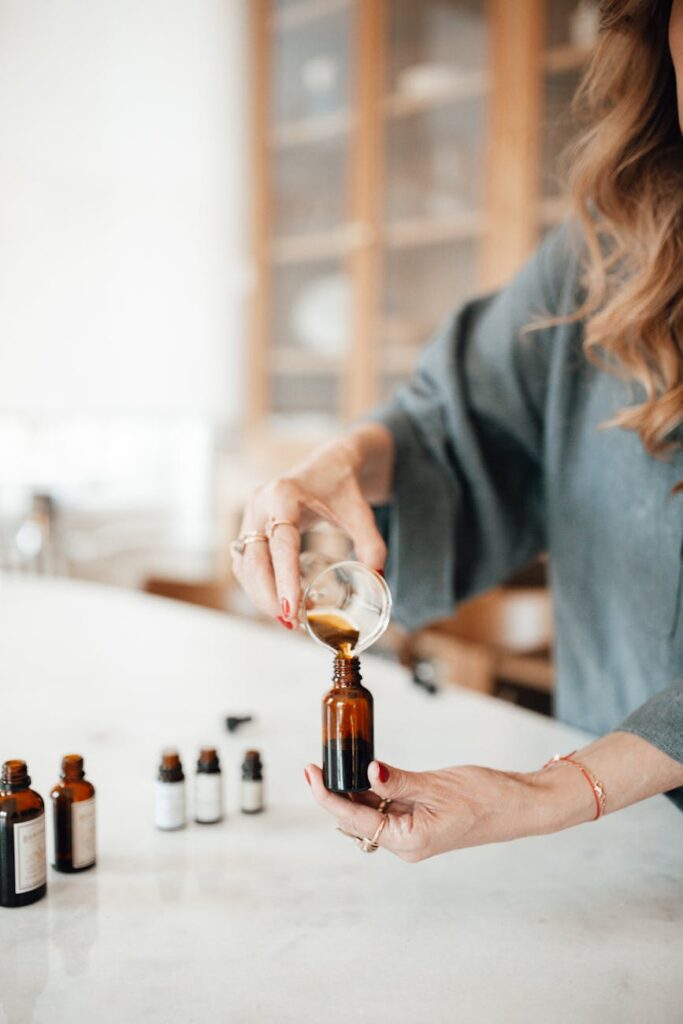
Benefits of Aromatherapy Blends for Seasonal Affective Disorder
Introduction
Seasonal Affective Disorder (SAD) is a type of depression that occurs at a specific time of year, often during the fall and winter months when natural light is limited. Those affected may experience symptoms such as fatigue, irritability, and a general sense of malaise. While various treatment options exist, many individuals are turning to complementary therapies like aromatherapy for relief. Aromatherapy blends, composed of various essential oils, can provide a soothing and uplifting experience that may help alleviate some of the emotional challenges associated with SAD.
What Is Aromatherapy Blends for Seasonal Affective Disorder?
Aromatherapy involves the use of essential oils derived from plants to enhance physical and emotional well-being. When it comes to Seasonal Affective Disorder, specific aromatherapy blends are formulated to target symptoms like low energy, mood swings, and anxiety. These blends typically combine essential oils known for their mood-lifting, invigorating properties. By inhaling these scents, individuals may experience a shift in their emotional state, potentially offering a natural adjunct to traditional therapies.
Key Benefits and Properties
The benefits of aromatherapy blends for Seasonal Affective Disorder primarily stem from the unique properties of essential oils. Here are some of the key benefits:
1. Mood Enhancement
Many essential oils possess uplifting qualities that can help improve mood. For instance, oils like sweet orange and bergamot are known for their ability to promote feelings of joy and happiness.
2. Anxiety Reduction
Essential oils such as lavender and chamomile have calming properties that can help reduce anxiety and stress, which often accompany SAD. The scent of these oils can create a sense of tranquility.
3. Energy Boosting
Certain essential oils, including peppermint and rosemary, can invigorate the senses and promote mental clarity. This can be particularly beneficial for those experiencing fatigue associated with SAD.
4. Improved Sleep Quality
Sleep disturbances are common in individuals with SAD. Oils like cedarwood and ylang-ylang may promote relaxation and a restful night’s sleep, thereby helping to combat some symptoms of SAD.
5. Emotional Balance
Essential oils can help create an emotional equilibrium. For example, clary sage is often used to balance hormones and can contribute to overall emotional stability.
Common Uses
Aromatherapy blends for Seasonal Affective Disorder can be used in various settings and formats. Some common methods of application include:
1. Diffusion
Using an essential oil diffuser is one of the most popular methods for experiencing the benefits of aromatherapy. By adding a few drops of your chosen blend to a diffuser, the essential oils are dispersed into the air, allowing for inhalation throughout the day.
2. Inhalation
Inhaling essential oils directly from the bottle or from a tissue can provide immediate effects. This method is particularly useful for quick mood boosts.
3. Topical Application
Diluting essential oils in a carrier oil such as jojoba or almond oil allows for safe topical application. Massaging the blend onto pulse points can enhance its effects through both inhalation and skin absorption.
4. Bathing
Adding essential oils to a warm bath can create a calming and restorative experience. The warmth of the water helps release the oils’ aromatic compounds, enhancing relaxation.
5. Personal Inhalers
Personal inhalers are small devices that allow for on-the-go inhalation of essential oils. They are discreet and easy to carry, making them ideal for use in stressful situations.
Aromatherapy Applications
When creating or selecting aromatherapy blends for Seasonal Affective Disorder, consider the following essential oils known for their beneficial properties:
1. Citrus Oils
- Bergamot: Uplifting and mood-enhancing.
- Sweet Orange: Bright and cheerful; helps relieve stress.
- Lavender: Calming and relaxing; reduces anxiety.
- Ylang-Ylang: Balancing and uplifting; promotes emotional well-being.
- Rosemary: Invigorating and clarifying; boosts focus.
- Peppermint: Energizing and refreshing; combats fatigue.
- Cedarwood: Grounding and comforting; helps with relaxation.
- Frankincense: Calming and meditative; supports emotional balance.
- Ginger: Warming and revitalizing; aids in boosting energy.
- Clary Sage: Stabilizes emotions; helps balance hormones.
2. Floral Oils
3. Herbaceous Oils
4. Wood Oils
5. Spicy Oils
Safety Considerations
While aromatherapy is generally safe when used correctly, it is essential to observe a few precautions:
1. Dilution
Always dilute essential oils in a carrier oil before applying them to the skin. This helps reduce the risk of skin irritation or allergic reactions.
2. Allergies
Perform a patch test to check for any allergic reactions before using a new essential oil. Apply a small diluted amount to a small area of skin and wait 24 hours.
3. Pregnancy and Nursing
Consult a healthcare provider before using essential oils if you are pregnant or breastfeeding, as some oils may not be safe during these times.
4. Pre-existing Conditions
Individuals with pre-existing health conditions should consult with a healthcare professional before using essential oils, especially those with respiratory issues or allergies.
Storage and Shelf Life
Proper storage of essential oils is crucial to maintaining their potency and effectiveness. Here are some guidelines:
1. Dark Glass Containers
Store essential oils in dark glass bottles to protect them from light, which can degrade their quality.
2. Cool, Dry Place
Keep oils in a cool, dry location, away from direct sunlight and heat sources.
3. Shelf Life
Most essential oils have a shelf life of one to three years, depending on the type. Citrus oils tend to have a shorter shelf life, while woody oils may last longer.
Frequently Asked Questions
1. Can aromatherapy replace conventional treatment for SAD?
Aromatherapy can be a complementary therapy to conventional treatments for SAD but should not be considered a replacement. Always consult a healthcare professional for a comprehensive treatment plan.
2. How often should I use aromatherapy blends for SAD?
Frequency of use can vary based on individual preference and response. Many people find that using the blends daily or as needed can be beneficial.
3. Are there any side effects associated with essential oils?
Although generally safe, some individuals may experience allergic reactions or skin irritation. Always perform a patch test and consult a healthcare provider if unsure.
4. Can children use aromatherapy blends?
Aromatherapy can be safe for children, but it’s essential to use child-safe oils and dilute them appropriately. Always consult a pediatrician for guidance.
5. Where can I purchase quality essential oils?
Quality essential oils can be found at health food stores, specialty shops, and online retailers. Look for brands that provide information about their sourcing and testing practices to ensure quality.
Conclusion
Aromatherapy blends offer a natural and aromatic approach to managing some of the emotional challenges associated with Seasonal Affective Disorder. By understanding the properties and applications of essential oils, individuals can create an environment conducive to emotional well-being. While aromatherapy should not replace conventional treatments, it can serve as a supportive tool in navigating the complexities of SAD. As always, it is advisable to consult a healthcare professional for a holistic approach to managing mental health.