
Benefits of Aromatherapy Blends for Seasonal Allergies
Introduction
As the seasons change, many individuals experience the onset of seasonal allergies, often characterized by symptoms such as sneezing, nasal congestion, and itchy eyes. While traditional remedies and over-the-counter medications are commonly used to alleviate these symptoms, many people are turning to more holistic approaches, such as aromatherapy. This article explores the benefits of aromatherapy blends specifically designed to address seasonal allergies, including their properties, applications, and safety considerations.
What Is Aromatherapy Blends for Seasonal Allergies?
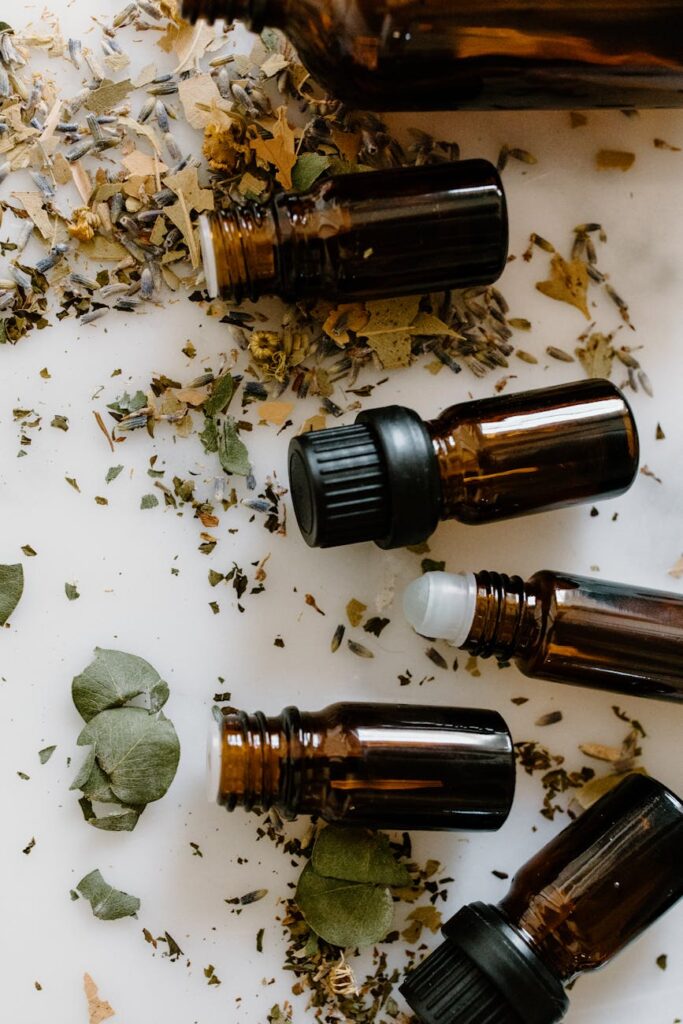
Aromatherapy involves the use of essential oils extracted from plants to promote physical and emotional well-being. When combined into specific blends, these oils can target particular concerns, including seasonal allergies. Aromatherapy blends for seasonal allergies typically incorporate essential oils known for their anti-inflammatory, antihistamine, and calming properties. Common essential oils used in these blends include eucalyptus, peppermint, lavender, and tea tree oil, each contributing unique benefits to combat allergy symptoms.
Key Benefits and Properties
1. Anti-Inflammatory Effects
Many essential oils possess anti-inflammatory properties that can help reduce swelling and irritation in the respiratory system. Oils such as eucalyptus and frankincense are particularly noted for their ability to soothe inflamed tissues, making breathing easier during allergy season.
2. Antihistamine Properties
Certain essential oils can act as natural antihistamines, reducing the body’s histamine response to allergens. For example, lavender and chamomile have been studied for their calming effects on the immune system, potentially alleviating the severity of allergy symptoms.
3. Decongestant Qualities
Some essential oils can help clear congestion and open up the airways. Peppermint and eucalyptus are well-known decongestants that can provide relief from nasal blockages, facilitating easier breathing and reducing the discomfort associated with sinus pressure.
4. Emotional Support
Seasonal allergies can also affect emotional well-being, leading to feelings of frustration and fatigue. Aromatherapy blends that include uplifting oils such as citrus or floral scents can promote a sense of calm and well-being, helping to balance mood during challenging times.
5. Immune Support
Certain essential oils, like tea tree and oregano, are recognized for their immune-supportive properties. Strengthening the immune system can be particularly beneficial during allergy season, as it helps the body better cope with allergens and environmental irritants.
Common Uses
Aromatherapy blends for seasonal allergies can be utilized in various ways:
- Diffusion: Adding a few drops of a custom blend to a diffuser can help disperse the scent throughout a room, providing a soothing atmosphere while simultaneously delivering the therapeutic benefits of the essential oils.
- Topical Application: Diluting essential oils in a carrier oil and applying them to pulse points or areas affected by allergies can provide localized relief. Common areas include the chest, neck, and behind the ears.
- Inhalation: Direct inhalation of essential oils can be effective in quickly alleviating symptoms. This can be done by adding a few drops to a tissue or handkerchief and inhaling deeply.
- Bath Soaks: Adding essential oils to a warm bath can create a relaxing environment while allowing the oils to be absorbed through the skin and inhaled.
- 3 drops of eucalyptus essential oil
- 2 drops of peppermint essential oil
- 2 drops of lavender essential oil
- 10 ml of a carrier oil (like jojoba or coconut oil)
- 5 drops of tea tree essential oil
- 5 drops of chamomile essential oil
- 1 cup of Epsom salt
- 10 drops of lavender essential oil
- 5 drops of eucalyptus essential oil
- Dilution: Essential oils are potent and should always be diluted with a carrier oil before topical application to avoid skin irritation.
- Patch Test: Conduct a patch test before using a new essential oil to ensure no allergic reactions occur.
- Consultation: Individuals with underlying health conditions or those who are pregnant or nursing should consult a healthcare professional before using essential oils.
- Quality of Oils: Use high-quality, pure essential oils from reputable sources to ensure effectiveness and safety. Synthetic fragrances may not provide the same benefits and can sometimes exacerbate allergies.
Aromatherapy Applications
1. Diffuser Blends
A simple diffuser blend for seasonal allergies may include:
This combination can provide a calming yet invigorating atmosphere, helping to clear the airways.
2. Roll-On Blends
For a convenient topical application, consider creating a roll-on blend using:
This blend can be applied to pulse points for relief throughout the day.
3. Bath Blend
For a soothing bath experience, mix:
Adding this mixture to a warm bath can help relax the body while providing respiratory relief.
Safety Considerations
While aromatherapy can be beneficial, it is important to approach it with care and consideration:
Storage and Shelf Life
Proper storage of essential oils is crucial for maintaining their potency and effectiveness. Store oils in a cool, dark place, away from direct sunlight and heat. Glass containers are preferred, as plastic can interact with essential oils over time.
The shelf life of essential oils varies depending on the type. Generally, citrus oils may last 1-2 years, while heavier oils like patchouli or sandalwood can last up to 5 years or more. Always check for changes in scent, consistency, or color, which may indicate that the oil has gone bad.
Frequently Asked Questions
1. Can aromatherapy completely eliminate seasonal allergies?
While aromatherapy may provide relief from symptoms, it is not a cure for seasonal allergies. It can be used as a complementary approach alongside traditional treatments.
2. How often can I use aromatherapy blends for seasonal allergies?
The frequency of use can vary based on individual preferences and sensitivities. Many people find that using these blends multiple times a day can help manage symptoms effectively.
3. Are there any essential oils I should avoid if I have allergies?
Some individuals may be sensitive to certain essential oils. Oils like chamomile or ylang-ylang may cause reactions in people with specific allergies. It is advisable to perform a patch test before full application.
4. Can children use aromatherapy blends for seasonal allergies?
Children can benefit from aromatherapy; however, it is crucial to use essential oils that are safe for their age group and to dilute them appropriately. Consulting with a healthcare provider is recommended.
5. What is the best method for using aromatherapy blends for allergies?
The best method depends on personal preferences and the severity of symptoms. Diffusion and topical application are common methods, but inhalation can provide rapid relief.
Conclusion
Aromatherapy blends for seasonal allergies offer a holistic approach to managing symptoms through the use of essential oils. Their anti-inflammatory, antihistamine, and calming properties can provide relief during challenging allergy seasons. By understanding their applications and safety considerations, individuals can effectively incorporate aromatherapy into their self-care routines. While it is not a substitute for medical treatment, it can serve as a valuable complementary tool for enhancing overall well-being during allergy season.