
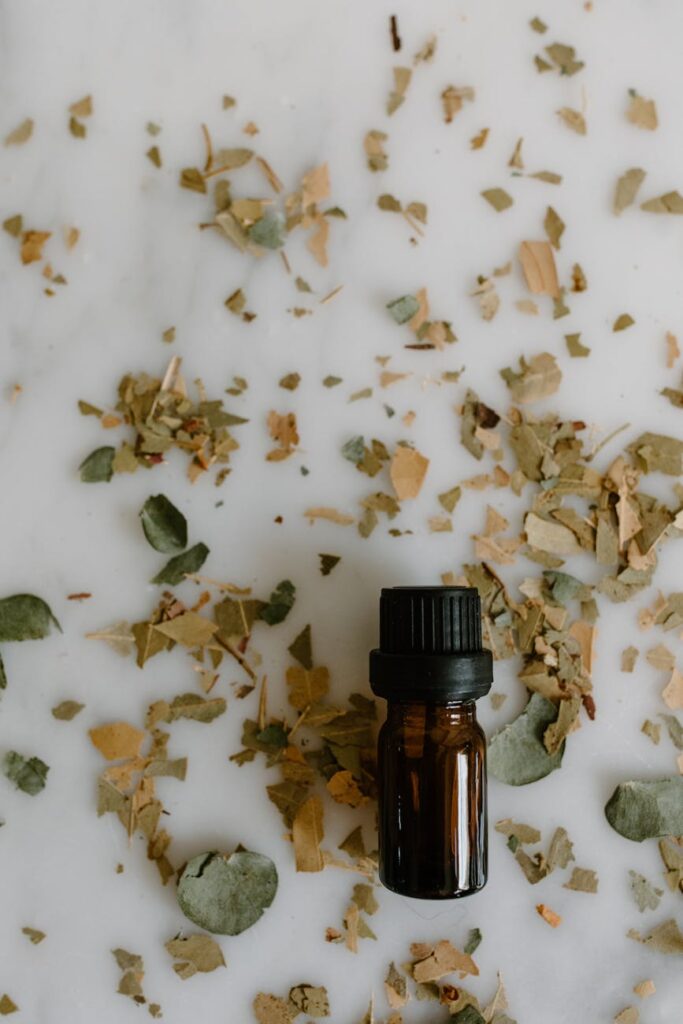
Benefits of Aromatherapy Blends for Seasonal Allergy Relief Enhancement
Introduction
As the seasons change, many individuals experience an array of discomforts due to seasonal allergies. The onset of pollen, dust, and other allergens can lead to symptoms such as sneezing, nasal congestion, and general fatigue. While traditional remedies exist, an increasing number of individuals are turning to alternative therapies, including aromatherapy, to enhance their seasonal allergy relief. This article explores the benefits, properties, and applications of aromatherapy blends specifically designed for alleviating seasonal allergy symptoms.
What Is Aromatherapy Blends for Seasonal Allergy Relief Enhancement?
Aromatherapy involves the use of essential oils extracted from plants to promote physical and emotional well-being. When combined thoughtfully, these essential oils form blends that can target specific concerns, such as seasonal allergies. Aromatherapy blends for allergy relief typically incorporate oils known for their anti-inflammatory, antihistamine, and soothing properties.
These blends often consist of a variety of essential oils, each selected for its unique benefits. Commonly used oils for allergy relief include eucalyptus, lavender, peppermint, tea tree, and lemon, among others. The synergistic effect of these oils can create a holistic approach to managing allergy symptoms.
Key Benefits and Properties
The essential oils used in aromatherapy blends for seasonal allergy relief offer several key benefits:
1. Anti-Inflammatory Properties
Many essential oils, such as eucalyptus and lavender, possess natural anti-inflammatory properties. These oils can help reduce inflammation in the respiratory system, making it easier to breathe and alleviating symptoms associated with nasal congestion.
2. Antihistamine Effects
Certain oils like peppermint and lemon are known for their antihistamine-like effects. They can help mitigate the body’s histamine response, which is often responsible for allergic reactions, thus providing relief from sneezing and itching.
3. Relaxation and Stress Relief
Allergies can be stressful and uncomfortable, leading to increased anxiety and fatigue. Oils like lavender and chamomile are well-known for their calming effects, which can help reduce the overall stress associated with allergy symptoms.
4. Immune Support
Essential oils such as tea tree and lemon are recognized for their ability to support the immune system. By incorporating these oils into an aromatherapy blend, individuals may enhance their body’s natural defense mechanisms against allergens.
5. Improved Respiratory Function
Oils like eucalyptus and peppermint can help clear nasal passages and promote easy breathing. Their refreshing scents can also help uplift the mood, providing additional comfort during allergy season.
Common Uses
Aromatherapy blends for seasonal allergy relief can be utilized in various ways. Here are some common applications:
1. Diffusion
Using an essential oil diffuser is a popular method for dispersing the aroma of the blend throughout a room. This method allows for the inhalation of beneficial compounds, promoting respiratory ease and relaxation.
2. Inhalation
Direct inhalation of essential oils from the bottle or by placing a few drops on a tissue can provide immediate relief. This method is particularly effective for quick alleviation of nasal congestion and sneezing.
3. Topical Application
Diluting essential oils with a carrier oil and applying them to pulse points or the chest can allow for targeted benefits. This method is useful for dealing with localized symptoms, such as sinus pressure.
4. Bathing
Adding a few drops of an allergy relief blend to a warm bath can create a soothing experience, helping to relax the body and mind while inhaling the beneficial vapors.
5. Room Sprays
Creating a room spray with essential oils and water can help purify the air, reducing allergens in the environment while providing a pleasant fragrance.
Aromatherapy Applications
When creating or choosing aromatherapy blends for seasonal allergy relief, consider the following essential oils and their applications:
1. Eucalyptus
Eucalyptus oil is renowned for its ability to clear respiratory pathways and reduce inflammation. It can be used in diffusers or inhalation methods to promote easy breathing.
2. Lavender
Lavender oil is celebrated for its calming and soothing properties. It can help alleviate stress and promote relaxation, making it a valuable addition to any allergy relief blend.
3. Peppermint
Peppermint oil provides a cooling sensation and can help alleviate headaches and sinus pressure. It is particularly effective when used in topical applications.
4. Tea Tree
Tea tree oil possesses antibacterial and antiviral properties, making it beneficial for strengthening the immune system and combating allergens.
5. Lemon
Lemon oil is uplifting and can help detoxify the air. Its refreshing scent also has mood-enhancing properties, adding to the overall effectiveness of the blend.
Safety Considerations
While aromatherapy can offer many benefits, it is essential to practice safety and caution:
1. Dilution
Always dilute essential oils with a carrier oil before applying them topically. Undiluted oils can cause skin irritation or sensitization.
2. Patch Test
Conduct a patch test on a small area of skin before using a new essential oil to check for any allergic reactions.
3. Consult a Professional
While aromatherapy is generally safe, individuals with specific health conditions or pregnant women should consult with a healthcare professional before using essential oils.
4. Quality of Essential Oils
Ensure that you are using high-quality, pure essential oils from reputable sources. Synthetic fragrances may not provide the same therapeutic benefits and can potentially cause adverse reactions.
Storage and Shelf Life
Proper storage of essential oils is crucial to maintaining their efficacy:
1. Light and Temperature
Store essential oils in a cool, dark place away from direct sunlight, as light and heat can degrade their quality.
2. Bottling
Use amber or cobalt glass bottles, as these can help protect the oils from light exposure.
3. Shelf Life
Most essential oils have a shelf life of 1 to 3 years, depending on the type. Citrus oils tend to have a shorter shelf life, while oils like patchouli and sandalwood can last longer.
Frequently Asked Questions
1. Can aromatherapy blends completely cure seasonal allergies?
Aromatherapy blends can help alleviate symptoms and enhance comfort but should not be considered a cure for seasonal allergies.
2. How often can I use aromatherapy for relief?
Aromatherapy can be used as often as needed, but it is advisable to take breaks and monitor how your body responds.
3. Are there any essential oils I should avoid?
Some individuals may be sensitive to specific oils, such as cinnamon or clove. It is essential to know your sensitivities and consult resources accordingly.
4. Can children use aromatherapy for allergy relief?
While some essential oils can be safely used by children, it is advisable to consult a healthcare professional for guidance on safe oils and appropriate dilutions.
5. How do I create my own allergy relief blend?
To create a simple allergy relief blend, combine a few drops of eucalyptus, lavender, and peppermint oil with a carrier oil. Experiment with ratios to find what works best for you.
Conclusion
Aromatherapy blends can provide a natural, holistic approach to enhancing seasonal allergy relief. By understanding the properties and applications of various essential oils, individuals can tailor their experiences to suit their needs. While aromatherapy is not a substitute for medical treatment, it can serve as a complementary method to ease discomfort and promote well-being during allergy season. As with any alternative therapy, it is essential to approach aromatherapy with mindfulness and care.