
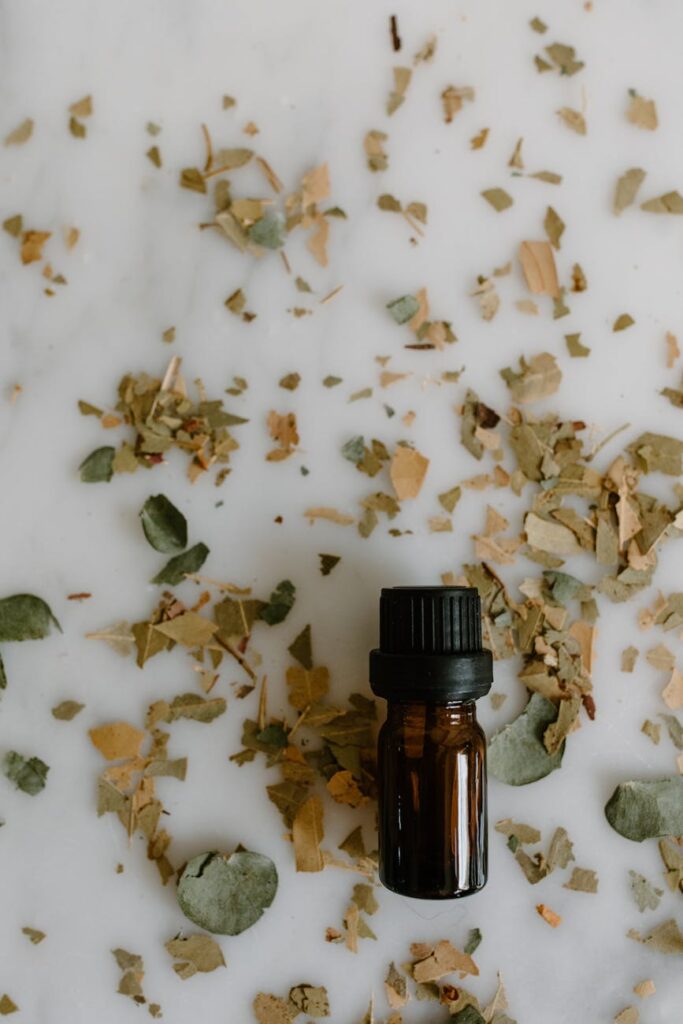
Benefits of Aromatherapy Blends for Seasonal Immune Boosting
Introduction
Aromatherapy has garnered significant attention over the years as a holistic approach to well-being, utilizing essential oils derived from plants to enhance physical, emotional, and mental health. Among its many applications, one particularly relevant area is the use of aromatherapy blends for seasonal immune boosting. As the seasons change, our bodies can be more susceptible to various environmental stressors, including temperature shifts and allergens. This article explores the concept of aromatherapy blends designed to support immune health during seasonal transitions, emphasizing their key benefits, common uses, and safety considerations.
What Is Aromatherapy Blends for Seasonal Immune Boosting?
Aromatherapy blends for seasonal immune boosting consist of carefully selected essential oils that aim to enhance the body’s natural defenses during times when it may be more vulnerable. These blends typically combine oils known for their immune-supporting properties, such as eucalyptus, tea tree, and lemon, among others. The synergy achieved through these combinations can create a scent that not only invigorates but also promotes a sense of well-being.
The practice of blending essential oils allows for customization according to individual preferences and specific seasonal challenges, making it a versatile approach to supporting health.
Key Benefits and Properties
1. Immune Support
Many essential oils possess antibacterial, antiviral, and antifungal properties that can help bolster the immune system. For instance, oils like eucalyptus and tea tree are known for their potential to combat pathogens, while citrus oils like lemon and orange are celebrated for their uplifting qualities.
2. Respiratory Health
During seasonal transitions, respiratory health may be compromised due to allergens or changes in weather. Essential oils such as peppermint and eucalyptus can help open airways and promote easier breathing, providing relief for those experiencing seasonal discomfort.
3. Stress Relief
The changing seasons can bring about stress and anxiety, which may negatively impact immune function. Aromatherapy blends can provide a calming effect, helping to reduce stress levels and promote emotional balance. Oils like lavender and chamomile are commonly used for their soothing properties.
4. Enhanced Mood
Essential oils can have a profound effect on mood and emotional well-being. Citrus oils, in particular, are known to uplift spirits and create a sense of positivity, which can be beneficial during times of seasonal change.
5. Improved Sleep Quality
Quality sleep is essential for a well-functioning immune system. Certain essential oils, such as lavender and cedarwood, are recognized for their relaxing properties, which can help improve sleep quality and, in turn, support immune health.
Common Uses
1. Diffusion
One of the most popular methods for utilizing aromatherapy blends is through diffusion. By adding a few drops of the blend to a diffuser, individuals can disperse the aromatic molecules into the air, creating an inviting and therapeutic environment.
2. Topical Application
Aromatherapy blends can also be applied topically when diluted with a carrier oil, such as jojoba or coconut oil. This method allows for the absorption of essential oils through the skin, providing localized benefits.
3. Inhalation
Inhalation is a quick and effective way to experience the benefits of essential oils. Simply adding a few drops to a tissue or cotton ball and breathing in the aroma can provide immediate relief and support.
4. Bathing
Adding essential oils to bathwater can create a relaxing and rejuvenating experience. Essential oils can be mixed with a carrier oil or an emulsifier to ensure even distribution in the water.
5. Household Cleaning
Many essential oils possess antibacterial properties, making them suitable for use in cleaning products. Incorporating immune-boosting oils into homemade cleaners can help purify the air and surfaces in the home.
Aromatherapy Applications
1. Immune Support Blend
Ingredients:
- 5 drops of tea tree oil
- 5 drops of eucalyptus oil
- 3 drops of lemon oil
- 4 drops of peppermint oil
- 4 drops of eucalyptus oil
- 2 drops of rosemary oil
- 5 drops of lavender oil
- 3 drops of chamomile oil
- 2 drops of bergamot oil
- 5 drops of sweet orange oil
- 3 drops of grapefruit oil
- 2 drops of peppermint oil
- Dilution: Always dilute essential oils with a carrier oil before applying them to the skin to avoid irritation.
- Patch Test: Conduct a patch test on a small area of skin to check for allergic reactions before using a new oil.
- Pregnancy and Nursing: Consult with a healthcare professional before using essential oils during pregnancy or while nursing.
- Children and Pets: Some essential oils may not be safe for children or pets. Research and choose oils carefully, and consult with a professional if necessary.
- Quality of Oils: Use high-quality, pure essential oils from reputable sources to ensure safety and efficacy.
- Cool, Dark Place: Store essential oils in a cool, dark place, away from direct sunlight and heat, as light and temperature can degrade the oils.
- Airtight Containers: Use amber or cobalt glass bottles to protect oils from light. Make sure the caps are tightly sealed to prevent oxidation.
- Shelf Life: Most essential oils have a shelf life of 1 to 3 years, although some oils, such as citrus oils, may have a shorter shelf life. Regularly check for changes in smell, color, or consistency to determine if oils are still usable.
Application: Diffuse in the home or mix with a carrier oil for topical application.
2. Respiratory Relief Blend
Ingredients:
Application: Inhale directly from the bottle or diffuse for respiratory support.
3. Stress-Relief Blend
Ingredients:
Application: Use in a diffuser or add to a carrier oil for massage.
4. Mood Booster Blend
Ingredients:
Application: Diffuse to uplift mood or apply to pulse points for a refreshing boost.
Safety Considerations
When using essential oils, safety should always be a priority. Here are some essential considerations to keep in mind:
Storage and Shelf Life
Proper storage of essential oils is vital to maintain their potency and effectiveness. Here are some tips for storage:
Frequently Asked Questions
1. Can aromatherapy blends replace medical treatment?
No, aromatherapy blends should not be considered a substitute for medical treatment. They can complement a healthy lifestyle but should not replace professional healthcare advice.
2. How often can I use aromatherapy blends?
The frequency of use depends on the individual, the specific oils used, and the method of application. General guidelines suggest using oils safely and in moderation.
3. Are there any essential oils I should avoid?
Some essential oils may be irritating or unsafe for certain individuals. It is advisable to research individual oils and consult with a professional if there are any concerns.
4. Can I create my own blends at home?
Yes, creating your own blends can be a rewarding experience. However, it is essential to research the properties and safety of each oil before combining them.
5. Is it safe to use essential oils around pets?
Some essential oils can be toxic to pets. It is crucial to research which oils are safe and consult with a veterinarian if there are any doubts.
Conclusion
Aromatherapy blends for seasonal immune boosting offer a natural and holistic approach to enhancing well-being during times of environmental stress. By understanding the benefits of various essential oils and their applications, individuals can create personalized blends that support their health and vitality. While aromatherapy can be a helpful addition to one’s wellness routine, it is essential to remember that it should complement, rather than replace, professional medical care. With proper knowledge and safety precautions, aromatherapy can be a valuable tool in navigating the changing seasons with confidence and resilience.