
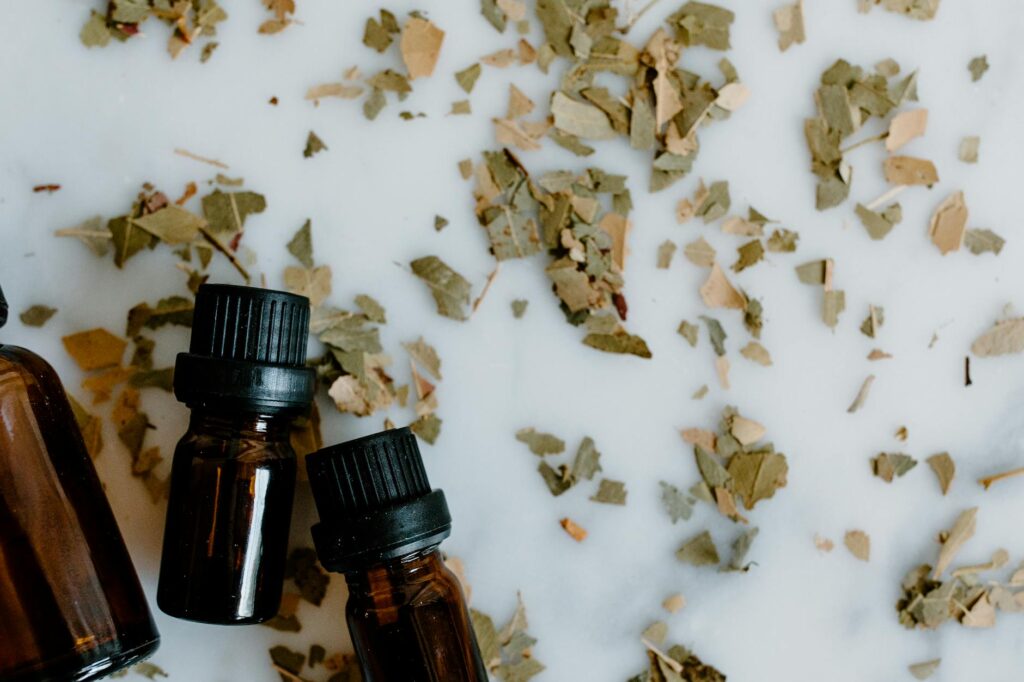
Benefits of Aromatherapy Blends for Seasonal Immune System Support
Introduction
As the seasons change, so too does our environment and the challenges it presents to our immune system. Many individuals turn to various natural remedies to bolster their immunity, one of which is aromatherapy. Aromatherapy blends, which combine essential oils from various plants, can provide a range of benefits that support overall well-being. This article explores the concept of aromatherapy blends designed specifically for seasonal immune system support, detailing their properties, applications, and safety considerations.
What Is Aromatherapy Blends for Seasonal Immune System Support?
Aromatherapy is the practice of using essential oils extracted from plants to promote physical and psychological well-being. These oils are concentrated plant extracts that encompass the plant’s aroma, flavor, and therapeutic properties.
Aromatherapy blends specifically aimed at supporting the immune system are crafted using a combination of essential oils known for their beneficial properties during seasonal changes. Such blends typically include oils that are known for their antibacterial, antiviral, and anti-inflammatory properties, as well as those that promote relaxation and stress relief, which can indirectly support immune function.
Key Benefits and Properties
Immune Support
Certain essential oils possess antimicrobial properties that can help combat pathogens and bolster the body’s defenses. Essential oils like tea tree, eucalyptus, and oregano are often included in immune-support blends due to their natural ability to inhibit the growth of harmful microorganisms.
Respiratory Health
Many aromatherapy blends formulated for seasonal immune support focus on respiratory health. Oils such as peppermint and lavender can help clear airways, reduce congestion, and promote easier breathing, particularly during cold and flu seasons.
Stress Reduction
Stress can significantly impact immune function. Aromatherapy blends containing calming oils like lavender, chamomile, and bergamot can help lower stress levels, promoting a more balanced immune response. By addressing emotional well-being, these blends can contribute to overall immune health.
Antioxidant Properties
Some essential oils, including rosemary and lemon, contain high levels of antioxidants that can help combat oxidative stress in the body. This action can support immune function and improve overall health, particularly during times when the immune system may be under pressure.
Common Uses
Aromatherapy blends for seasonal immune system support can be utilized in a variety of ways, making them versatile tools for enhancing well-being. Here are some of the most common uses:
Diffusion
One of the most popular methods for using aromatherapy blends is through diffusion. Using a diffuser, individuals can disperse the essential oil blend into the air, allowing the beneficial compounds to be inhaled. This method is particularly effective for promoting respiratory health and creating a calming atmosphere.
Topical Application
Aromatherapy blends can also be applied topically, usually diluted in a carrier oil such as coconut or jojoba oil. This method allows the oils to be absorbed through the skin, providing localized benefits and enhancing overall immune function.
Inhalation
Direct inhalation of essential oils is another effective method. By placing a few drops of an essential oil blend on a cotton ball or in the palms of the hands, individuals can inhale the aroma deeply, which can aid in respiratory support and stress relief.
Bathing
Adding aromatherapy blends to bathwater can create a soothing and therapeutic experience. The warm water helps to release the essential oils, allowing for both inhalation and skin absorption, which can enhance relaxation and immune support.
Aromatherapy Applications
Creating Your Own Blends
Those interested in creating their own aromatherapy blends for immune support can experiment with various essential oils. A simple blend might include the following:
- Tea Tree Oil: Known for its antiseptic properties.
- Eucalyptus Oil: Supports respiratory health and provides a refreshing aroma.
- Lavender Oil: Promotes relaxation and reduces stress.
- Lemon Oil: Offers antioxidant properties and a bright, uplifting scent.
- Use dark glass bottles to protect essential oils from light.
- Keep oils tightly sealed to prevent oxidation and evaporation.
- Store in a cool, dry location to extend shelf life.
To create a blend, combine a few drops of each essential oil in a small glass bottle with a carrier oil or use a diffuser with water.
Ready-Made Blends
For those who prefer convenience, many companies offer pre-formulated aromatherapy blends specifically designed for immune system support. These blends are typically crafted by experienced aromatherapists, ensuring a balanced and effective composition.
Safety Considerations
While aromatherapy is generally safe for most people, it is important to consider certain safety guidelines:
Dilution
Essential oils are highly concentrated and should always be diluted before topical application. A common dilution guideline is to use 1-2 drops of essential oil per teaspoon of carrier oil.
Allergies and Sensitivities
Individuals with allergies or sensitivities should conduct a patch test before using a new essential oil. Apply a small amount of diluted oil to a small area of skin and wait 24 hours to see if any adverse reaction occurs.
Pregnancy and Children
Some essential oils may not be suitable for pregnant women or young children. Always consult a professional or refer to reliable resources when using essential oils in these cases.
Storage
Essential oils should be stored in a cool, dark place, away from sunlight and heat sources, to maintain their potency and effectiveness.
Storage and Shelf Life
Proper storage is essential for preserving the integrity of essential oils. Most essential oils have a shelf life of 1 to 3 years, depending on the oil type and storage conditions.
Recommendations
Frequently Asked Questions
Can aromatherapy blends replace traditional medicine?
Aromatherapy blends should not be considered a substitute for traditional medical treatments. They can serve as complementary practices to promote overall well-being.
How often can I use aromatherapy blends?
The frequency of use can vary depending on individual preferences and the blend’s specific properties. It is advisable to start with moderate use and adjust based on personal response and sensitivity.
Are there any essential oils to avoid?
Certain essential oils may not be suitable for everyone, including those with specific health conditions, allergies, or during pregnancy. It is advisable to research or consult a professional before using any new essential oil.
Can I use essential oils in cooking?
While some essential oils are safe for culinary use, many are not. It is crucial to ensure that any essential oil intended for ingestion is food-grade and has been specifically designed for that purpose.
Conclusion
Aromatherapy blends can be a valuable addition to the toolkit for supporting the immune system during seasonal changes. With their diverse range of properties, these blends can promote respiratory health, reduce stress, and enhance overall well-being.
However, it is essential to approach the use of essential oils with care, considering safety guidelines and individual sensitivities. By understanding the benefits and applications of aromatherapy, individuals can harness the power of nature to support their health in a holistic manner.