
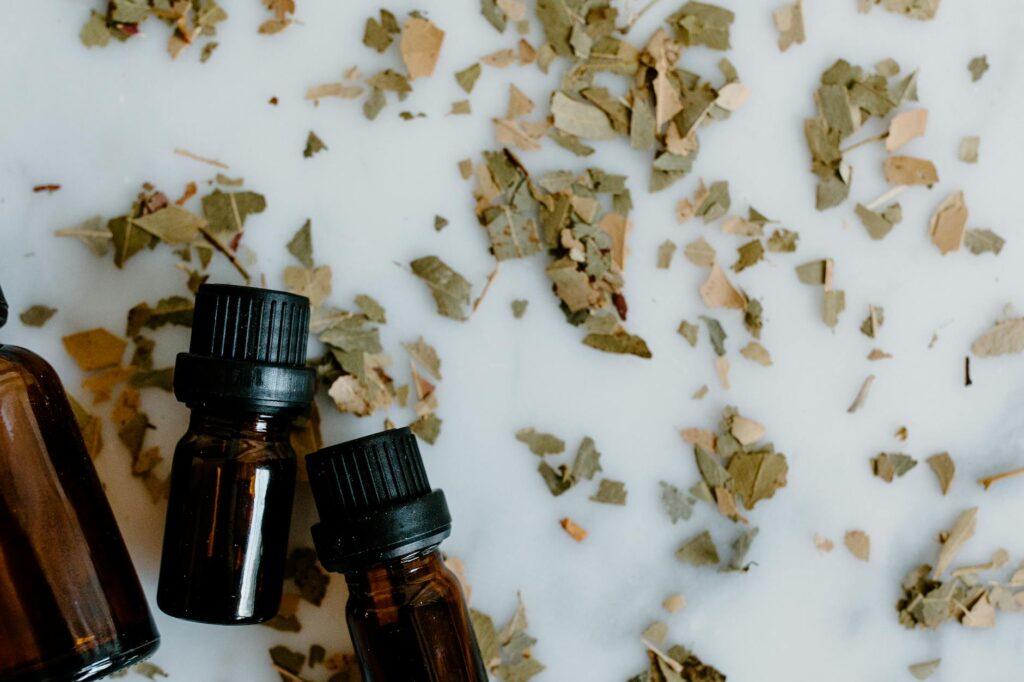
Benefits of Aromatherapy Blends for Seasonal Mood Changes
Introduction
Seasonal mood changes can significantly impact our mental and emotional well-being. As we transition through the seasons, changes in light, temperature, and even our daily routines can lead to fluctuations in mood. Aromatherapy, the practice of using essential oils for therapeutic benefits, offers a natural approach to managing these shifts. This article explores the benefits of aromatherapy blends specifically designed for seasonal mood changes, their properties, common uses, and considerations for safe application.
What Is Aromatherapy Blends for Seasonal Mood Changes?
Aromatherapy blends are mixtures of essential oils formulated to address specific emotional and psychological states. When targeting seasonal mood changes, these blends often include oils known for their uplifting, calming, or grounding effects. Essential oils are extracted from plants, capturing their aromatic compounds that can influence mood and feelings through olfactory pathways and chemical interactions in the body.
Seasonal mood changes can manifest in various forms, from the winter blues to springtime allergies that affect energy levels. Aromatherapy blends can help to alleviate symptoms associated with these transitions, promoting emotional balance and overall well-being.
Key Benefits and Properties
The key benefits of aromatherapy blends for seasonal mood changes stem from the unique properties of the essential oils used. Here are some common essential oils and their associated benefits:
1. Uplifting Properties
- Citrus Oils (e.g., Sweet Orange, Lemon, Grapefruit): Known for their invigorating aroma, citrus oils are often associated with promoting joy and reducing feelings of sadness or anxiety.
- Lavender: Renowned for its relaxing properties, lavender can help alleviate stress and promote restful sleep, making it ideal for those experiencing seasonal mood shifts that lead to anxiety or insomnia.
- Frankincense: Often used for its meditative qualities, frankincense can help ground emotions and provide a sense of tranquility during turbulent seasonal transitions.
- Peppermint: This oil is refreshing and stimulating, making it suitable for combating fatigue and lethargy that may come with seasonal changes.
- Tea Tree Oil: While primarily known for its antimicrobial properties, tea tree oil can also promote a sense of well-being, especially during seasons when colds and flus are prevalent.
2. Calming Effects
3. Grounding Qualities
4. Energy Boosting
5. Immune Support
Common Uses
Aromatherapy blends for seasonal mood changes can be utilized in various ways, making them versatile tools for emotional support. Here are some common applications:
1. Diffusion
Using an essential oil diffuser, individuals can disperse aromatherapy blends into the air, allowing the aromatic compounds to be inhaled. This method is particularly effective for creating a calming environment or uplifting the mood in a shared space.
2. Topical Application
Diluting essential oils in a carrier oil (such as coconut or jojoba oil) allows for safe topical application. This method can be used for localized relief, such as massaging into the temples or pulse points.
3. Bathing
Adding essential oils to a warm bath can create a soothing experience. The combined effects of warm water and aromatic oils can significantly enhance relaxation and mood elevation.
4. Inhalation
Simply placing a few drops of essential oil on a cotton ball or tissue and inhaling can provide quick relief from mood fluctuations, making it a portable option for those on the go.
Aromatherapy Applications
The application of aromatherapy blends can vary based on individual preferences and needs. Here are some effective methods to incorporate these blends into daily life:
1. Morning Routine
Starting the day with an invigorating blend can set a positive tone. Consider using citrus or peppermint oils to awaken the senses and boost energy.
2. Work Environment
Creating a calming workspace can enhance productivity. Using lavender or frankincense in a diffuser can help reduce stress and increase focus.
3. Evening Wind-Down
Incorporating calming blends into an evening ritual can promote relaxation. Diffusing lavender or chamomile before bedtime can help prepare the mind for restful sleep.
4. Seasonal Events
During specific seasonal celebrations, using themed blends can enhance the atmosphere. For example, a blend of pine and cinnamon can evoke the warmth of winter holidays.
Safety Considerations
While aromatherapy is generally considered safe, there are some important safety considerations to keep in mind:
1. Skin Sensitivity
Always perform a patch test before applying essential oils topically, as some individuals may experience skin irritation. Diluting essential oils in a carrier oil is essential to minimize potential reactions.
2. Allergies
Be aware of any allergies to specific plants or oils. Consult with a knowledgeable source before using any new essential oils.
3. Pregnancy and Nursing
Certain essential oils may not be safe for pregnant or nursing women. It is advisable to consult with a healthcare professional before use in these cases.
4. Children and Pets
Some essential oils are not suitable for children or pets. It is important to research safe options for these groups and use them in appropriate concentrations.
Storage and Shelf Life
To maintain the efficacy of essential oils, proper storage is crucial. Here are some tips for storing aromatherapy blends:
1. Dark Glass Bottles
Store essential oils in dark glass containers to protect them from light, which can degrade their quality.
2. Cool, Dry Place
Keep oils in a cool, dry environment, away from direct sunlight and heat sources.
3. Shelf Life
Most essential oils have a shelf life of 1-3 years, depending on their chemical composition. Citrus oils may have a shorter shelf life due to their volatile nature, while oils like patchouli and sandalwood may improve with age.
Frequently Asked Questions
1. Can I create my own aromatherapy blends?
Yes, creating your own blends allows for personalization based on individual preferences. However, it is important to research the properties of each oil and ensure they are safe for your intended use.
2. How long does it take to feel the effects of aromatherapy?
The effects can be felt almost immediately upon inhalation, while topical applications may take longer to have an impact. Individual responses may vary based on personal sensitivity and the specific oils used.
3. Are there any contraindications for using aromatherapy?
Certain essential oils may interact with medications or exacerbate specific health conditions. It is advisable to consult with a qualified healthcare provider for personalized advice.
4. How can I incorporate aromatherapy into my daily life?
Incorporating aromatherapy can be as simple as using a diffuser at home or adding a few drops of oil to your bath. Explore various methods and find what works best for your lifestyle.
5. What essential oils are best for seasonal mood changes?
Popular choices include lavender, sweet orange, frankincense, and peppermint. Each offers unique benefits that can help balance mood fluctuations during seasonal changes.
Conclusion
Aromatherapy blends provide a natural and holistic approach to managing seasonal mood changes. By harnessing the properties of essential oils, individuals can enhance their emotional well-being and create a more balanced atmosphere throughout the year. With proper application and safety considerations, aromatherapy can become a valuable tool in navigating the ebb and flow of seasonal transitions.