
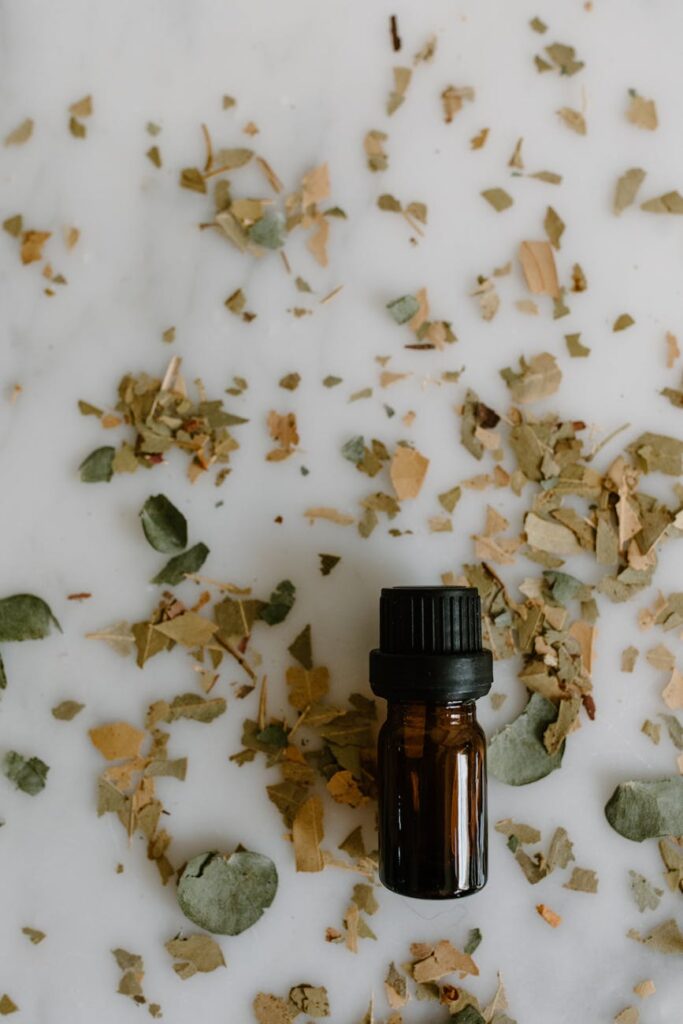
Benefits of Aromatherapy Blends for Seasonal Mood Support Techniques
Introduction
Aromatherapy, the practice of using essential oils extracted from plants to promote physical and psychological well-being, has gained popularity in recent years. As seasons change, many individuals experience fluctuations in their mood and energy levels. Aromatherapy blends can be particularly beneficial during these transitional periods, offering a natural approach to supporting emotional health. This article explores the concept of aromatherapy blends for seasonal mood support, detailing their benefits, common uses, and safety considerations.
What Are Aromatherapy Blends for Seasonal Mood Support Techniques?
Aromatherapy blends are carefully formulated combinations of essential oils designed to evoke specific emotional responses or support particular mental states. Seasonal mood support techniques focus on addressing emotional challenges that may arise during different times of the year, such as winter blues or springtime allergies. These blends harness the unique properties of various essential oils to create a holistic approach to emotional well-being.
Essential oils are volatile compounds derived from plants, each possessing a distinct aromatic profile and therapeutic properties. When blended, these oils can amplify their effects, offering a synergistic approach to mood enhancement and emotional stability.
Key Benefits and Properties
The benefits of using aromatherapy blends for seasonal mood support are manifold. Here are some key properties and benefits associated with essential oils commonly used in these blends:
1. Mood Enhancement: Certain oils, such as sweet orange and bergamot, are known for their uplifting properties, helping to alleviate feelings of sadness or lethargy.
2. Stress Relief: Oils like lavender and chamomile are widely recognized for their calming effects, reducing anxiety and promoting relaxation.
3. Energy Boost: Essential oils such as peppermint and rosemary can invigorate the mind and body, counteracting feelings of fatigue often experienced during the darker months.
4. Focus and Clarity: Oils like lemon and eucalyptus can enhance mental clarity and concentration, making them effective for combating seasonal distractions.
5. Sleep Support: Blends that include oils like cedarwood and ylang-ylang can promote restful sleep, which is essential for maintaining emotional balance during seasonal transitions.
Common Uses
Aromatherapy blends can be utilized in various ways to support seasonal mood. Here are some common applications:
1. Diffusion: Using a diffuser is one of the most popular methods for dispersing essential oils into the air. This method allows for a gentle and continuous release of aromatic compounds, creating an uplifting or calming atmosphere.
2. Topical Application: Diluting essential oils in carrier oils (such as coconut or jojoba oil) and applying them to pulse points can provide localized benefits. This method is often used for stress relief and relaxation.
3. Inhalation: Direct inhalation of essential oils from the bottle or a cotton ball can yield immediate effects. This technique is effective for quick mood enhancement or stress relief.
4. Bathing: Adding essential oils to bathwater can create a calming and soothing experience. The warmth of the water helps to release the aromatic compounds, enhancing relaxation.
5. Massage: Incorporating aromatherapy blends into massage oil can enrich the experience, promoting relaxation and emotional well-being through both touch and scent.
Aromatherapy Applications
When selecting aromatherapy blends for seasonal mood support, consider the following applications tailored to specific seasonal challenges:
Winter Blues
During the winter months, many individuals experience a dip in mood due to reduced sunlight and colder temperatures. Essential oils like:
- Bergamot: Known for its uplifting properties, bergamot can reduce feelings of sadness.
- Frankincense: Often used for its calming effects, it can help promote a sense of peace and grounding.
- Cinnamon: This warm spice oil can evoke feelings of comfort and warmth.
- Eucalyptus: Known for its respiratory benefits, it may support easier breathing.
- Peppermint: This invigorating oil can help clear the mind and boost energy.
- Tea Tree: Renowned for its purifying properties, it can help combat the effects of allergens.
- Lemon: Its fresh and zesty aroma can invigorate and uplift.
- Lavender: While typically calming, lavender can also help with mood swings caused by heat-related irritability.
- Rosemary: Known for its stimulating properties, it can enhance mental clarity.
- Clary Sage: This oil is known for its balancing properties, helping to stabilize emotions.
- Ginger: It can provide warmth and comfort, counteracting feelings of chill or discomfort.
- Cedarwood: Its grounding aroma can help instill a sense of calm.
- Cool, Dark Place: Store essential oils in a cool, dark location, away from direct sunlight and heat, which can degrade their quality.
- Tightly Sealed Containers: Always keep bottles tightly sealed to prevent oxidation and evaporation.
- Shelf Life: Most essential oils have a shelf life of 1-3 years, but this can vary by oil. Citrus oils may have a shorter shelf life due to their high volatility. Check for changes in color, smell, or consistency to determine if an oil has gone bad.
Spring Allergies
As spring arrives, many people face seasonal allergies that can impact mood and energy levels. Consider blends featuring:
Summer Fatigue
The heat of summer can lead to fatigue and irritability. Essential oils such as:
Autumn Transitions
The transition to autumn often brings about changes in routine and can induce feelings of nostalgia or melancholy. Blends might include:
Safety Considerations
While aromatherapy is generally considered safe, certain precautions should be observed:
1. Dilution: Essential oils should always be diluted in a carrier oil before topical application to prevent skin irritation.
2. Allergies: Conduct a patch test on a small area of skin to check for any allergic reactions before widespread use.
3. Pregnancy and Nursing: Pregnant or nursing individuals should consult a healthcare professional before using essential oils, as some oils may not be safe during these periods.
4. Children and Pets: Certain essential oils can be harmful to children and pets. Always research and consult with professionals regarding safe usage in households with young children or animals.
5. Quality of Oils: Choose high-quality, pure essential oils from reputable sources to ensure the efficacy and safety of the blends.
Storage and Shelf Life
Proper storage is essential to maintain the integrity of essential oils. Here are some guidelines:
Frequently Asked Questions
Can I create my own aromatherapy blends?
Yes, many individuals enjoy the creative process of formulating their own blends. Start with a base oil and add a few drops of complementary essential oils while considering their individual properties.
How do I determine which oils to use?
Consider the specific mood or emotional state you wish to address. Research the properties of various essential oils and select those that align with your goals.
Can aromatherapy replace professional help for mood disorders?
While aromatherapy can be a helpful complementary approach, it should not replace professional medical advice or treatment for mood disorders. Always consult with a healthcare professional for serious emotional concerns.
How often can I use aromatherapy blends?
Aromatherapy can be used daily; however, personal preferences and sensitivities may vary. Listen to your body and adjust usage accordingly.
In conclusion, aromatherapy blends offer a versatile and natural approach to supporting seasonal mood changes. By understanding the benefits, applications, and safety considerations, individuals can harness the power of essential oils to foster emotional well-being throughout the year.