
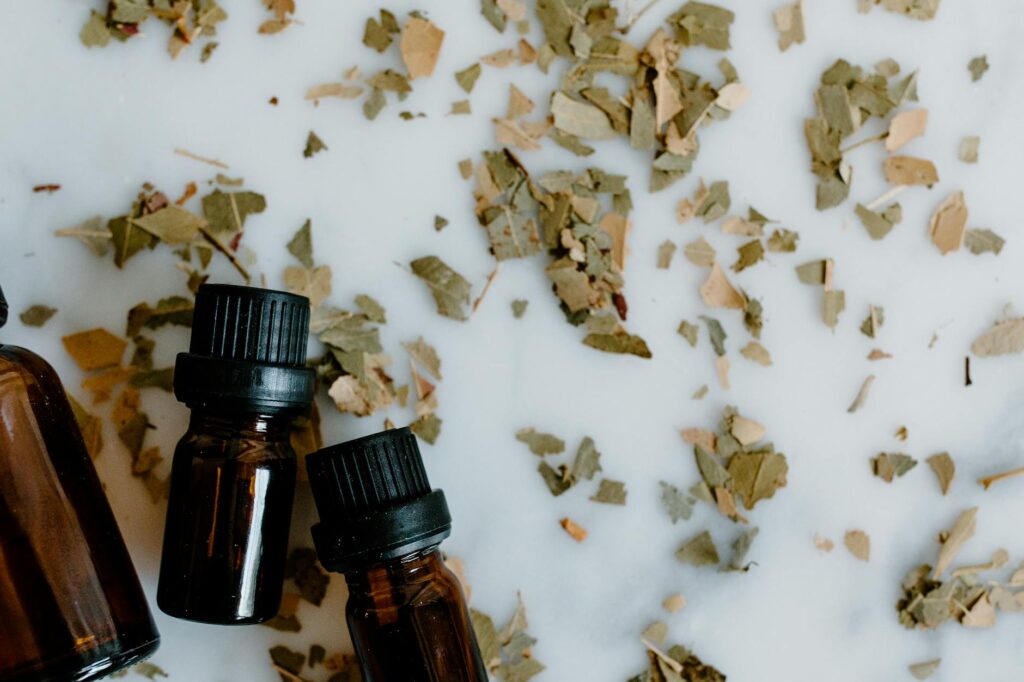
Benefits of Aromatherapy Blends for Seasonal Mood Support
Introduction
The changing of the seasons can bring about a variety of emotional and psychological responses. For many, the transition from bright summer days to the quieter, often darker months of winter can lead to feelings of sadness or lethargy, commonly referred to as Seasonal Affective Disorder (SAD). Aromatherapy, a holistic practice that utilizes essential oils to promote physical and emotional well-being, offers a natural approach to support mood during these seasonal shifts. This article explores the benefits of aromatherapy blends tailored specifically for seasonal mood support.
What Is Aromatherapy Blends for Seasonal Mood Support?
Aromatherapy blends consist of combinations of essential oils that are synergistically formulated to enhance emotional well-being and support mood stability. These blends are created by mixing various essential oils, each chosen for its unique properties and effects, to target specific emotional or psychological states.
For seasonal mood support, these blends can be designed to uplift, energize, or ground individuals experiencing emotional fluctuations due to seasonal changes. Essential oils such as citrus, floral, and woody scents are commonly used in these blends, as they have been associated with positive emotional states and a sense of calm.
Key Benefits and Properties
1. Mood Elevation
Certain essential oils are known for their uplifting properties. Citrus oils such as bergamot, lemon, and sweet orange can help elevate mood and promote feelings of happiness. These oils are often included in seasonal blends to combat feelings of sadness or melancholy.
2. Stress Reduction
Essential oils like lavender and chamomile are renowned for their calming effects. These oils can aid in reducing stress and anxiety, providing a sense of relaxation and peace. Incorporating these oils into seasonal blends can help individuals manage the stress that may accompany seasonal changes.
3. Enhanced Focus
During seasonal transitions, especially in winter, many individuals experience a lack of motivation or focus. Essential oils like rosemary and peppermint can stimulate mental clarity and concentration. Blending these oils can create an invigorating aroma that fosters alertness and productivity.
4. Emotional Balance
Certain essential oils, such as ylang-ylang and frankincense, are known for their balancing properties. They can help stabilize emotions and promote a sense of grounding. Blends that incorporate these oils can assist individuals in navigating emotional ups and downs during seasonal transitions.
5. Improved Sleep Quality
Seasonal changes can disrupt sleep patterns, leading to difficulty falling or staying asleep. Essential oils like cedarwood and vetiver are often used for their sedative properties. Blending these with other calming oils can create a soothing atmosphere conducive to restful sleep.
Common Uses
1. Diffusion
One of the most popular methods of using aromatherapy blends is through diffusion. Essential oil diffusers disperse the aroma into the air, allowing individuals to inhale the beneficial properties of the oils. This method is especially effective in communal spaces, providing a shared uplifting environment.
2. Topical Application
Aromatherapy blends can also be applied topically, often diluted in a carrier oil. This method allows the oils to absorb into the skin, providing localized benefits. Popular application areas include pulse points, such as wrists and temples, where the aroma can be easily inhaled.
3. Bathing Rituals
Adding aromatherapy blends to bathwater can create a relaxing and rejuvenating experience. The warmth of the water helps to release the aromatic compounds, allowing individuals to soak in both the physical and emotional benefits of the oils.
4. Inhalation
For a quick mood boost, individuals can simply inhale the aroma directly from the bottle or from a cotton ball with a few drops of the blend. This method is particularly useful for on-the-go support, providing immediate emotional relief.
Aromatherapy Applications
1. Seasonal Blends
Creating seasonal blends tailored to specific times of the year can enhance their effects. For instance, a winter blend might include oils like pine and cinnamon to evoke warmth and comfort, while a spring blend may incorporate floral oils to inspire renewal and growth.
2. Personalization
Personal preference plays a significant role in the effectiveness of aromatherapy. Individuals are encouraged to explore various essential oils and blends to find what resonates most with them. This personalization can enhance the therapeutic experience.
3. Combination with Other Holistic Practices
Aromatherapy can be integrated with other holistic practices, such as meditation, yoga, or mindfulness. Combining these practices can deepen the emotional and psychological benefits, providing a comprehensive approach to seasonal mood support.
Safety Considerations
While aromatherapy is generally considered safe, there are important safety considerations to keep in mind:
- Dilution: Essential oils are highly concentrated and should be diluted with a carrier oil before topical application to prevent skin irritation.
- Allergies: Individuals should perform a patch test before using a new essential oil or blend to check for allergic reactions.
- Pregnancy and Nursing: Certain essential oils may not be suitable for pregnant or nursing individuals. Consultation with a healthcare provider is advised.
- Children and Pets: Some essential oils can be harmful to children and pets. It is essential to research and ensure the safety of the oils being used in households with these vulnerable groups.
Storage and Shelf Life
Proper storage of essential oils is critical for maintaining their efficacy. Essential oils should be stored in dark glass bottles in a cool, dry place away from direct sunlight. Most essential oils have a shelf life of 1-3 years, depending on the type. Citrus oils tend to have a shorter shelf life, while oils like patchouli can improve with age. Regularly check oils for changes in scent or consistency, as these can indicate degradation.
Frequently Asked Questions
1. Can aromatherapy blends really help with seasonal mood changes?
Many individuals find that aromatherapy blends can positively influence their mood and emotional state. While scientific evidence is still growing, personal testimonials often highlight the benefits of using essential oils for emotional support.
2. How do I choose the right aromatherapy blend for my needs?
Choosing the right blend involves personal exploration. Consider your emotional responses and try different essential oils to see which ones resonate with you. There are numerous pre-made blends available, or you can create your own based on your preferences.
3. Are there specific essential oils to avoid?
Some essential oils may not be suitable for certain individuals, such as those with allergies, pregnant women, or those with specific health conditions. Research each oil before use and consult with a knowledgeable professional if in doubt.
4. How often should I use aromatherapy blends for seasonal mood support?
The frequency of use can vary based on personal preference and individual response. Many people use aromatherapy blends daily, while others may opt for them during particularly challenging emotional periods. Listen to your body and adjust as needed.
5. Is it necessary to use a diffuser for aromatherapy?
While diffusers are a popular method for dispersing essential oils, they are not the only option. Inhalation, topical application, and incorporation into bathing rituals can also provide effective benefits.
Conclusion
Aromatherapy blends for seasonal mood support offer a natural and holistic approach to managing emotional fluctuations associated with seasonal changes. By harnessing the properties of essential oils, individuals can create personalized experiences that uplift, ground, and balance their mood. As always, mindfulness and safety should guide the use of these powerful natural tools, allowing for a more harmonious relationship with the cycles of nature.