
Benefits of Aromatherapy Blends for Seasonal Transition Support
Introduction
As the seasons shift, many individuals experience changes in mood, energy levels, and overall well-being. Aromatherapy, a holistic practice utilizing essential oils for therapeutic benefits, offers a natural approach to support these transitions. By harnessing the unique properties of various essential oils, aromatherapy blends can help individuals navigate the emotional and physical challenges that accompany seasonal changes. This article explores the concept of aromatherapy blends for seasonal transition support, their benefits, and practical applications.
What Is Aromatherapy Blends for Seasonal Transition Support?
Aromatherapy blends consist of carefully selected essential oils mixed to achieve specific therapeutic effects. The practice of using essential oils dates back thousands of years, with roots in ancient civilizations such as Egypt, Greece, and China. Each essential oil possesses distinct properties, and when combined, they can enhance or complement one another’s effects.
Seasonal transitions—such as the shift from winter to spring or summer to autumn—can trigger various responses in the body and mind. Aromatherapy blends designed for these times aim to support emotional balance, uplift mood, boost immunity, and promote overall well-being, allowing individuals to adapt to changes with greater ease.
Key Benefits and Properties
Emotional Support
Seasonal changes can influence mood and emotional states. For instance, the onset of winter may lead to feelings of sadness or lethargy, while spring can evoke feelings of renewal and excitement. Aromatherapy blends can help stabilize emotions during these transitions. Essential oils like bergamot, lavender, and ylang-ylang are known for their calming properties, while citrus oils like lemon and orange can uplift the spirit.
Immune System Boost
With seasonal changes often come fluctuations in weather, which can affect the immune system. Certain essential oils, such as eucalyptus and tea tree, are recognized for their antimicrobial properties and can help support the body’s defenses against common ailments during transitional periods.
Respiratory Support
As seasons shift, individuals may experience allergies or respiratory discomfort. Essential oils like peppermint and rosemary can help open airways and ease breathing. Blends incorporating these oils can provide relief and support respiratory health during pollen-heavy months or dry winter air.
Energy and Motivation
The length of daylight and weather conditions can impact energy levels. During darker months, individuals may feel sluggish or unmotivated. Aromatherapy blends that include stimulating oils like ginger, peppermint, or rosemary can help invigorate the senses and enhance focus.
Common Uses
Aromatherapy blends for seasonal transition support can be utilized in various ways, depending on individual preferences and needs. Here are some common applications:
Diffusion
Using an essential oil diffuser is one of the most popular methods for enjoying aromatherapy. Diffusing a seasonal blend can create a calming or uplifting atmosphere, making it ideal for both home and office settings.
Topical Application
Diluting essential oils in a carrier oil and applying them to the skin can provide localized benefits. This method is particularly useful for blends aimed at respiratory support or for enhancing mood. Common areas for application include pulse points, neck, and chest.
Bathing
Adding essential oils to bathwater can create a relaxing spa-like experience. Blends that include calming oils like lavender can help individuals unwind, while invigorating blends can be energizing.
Inhalation
Direct inhalation of essential oils can yield immediate benefits. Placing a few drops of an essential oil blend on a tissue or using an inhaler can provide quick relief or support.
Aromatherapy Applications
Seasonal Transitions
1. Winter to Spring
- Blend: Peppermint, lemon, and eucalyptus
- Purpose: Uplift mood and support respiratory health.
- Blend: Lavender, rosemary, and bergamot
- Purpose: Balance emotions and invigorate energy levels.
- Blend: Clary sage, orange, and cedarwood
- Purpose: Grounding and calming, supporting emotional transition.
- Blend: Frankincense, myrrh, and ginger
- Purpose: Boost immunity and promote warmth.
- Dilution: Essential oils are potent and should be diluted with a carrier oil before topical application to avoid skin irritation.
- Allergies and Sensitivities: Conduct a patch test before using a new oil blend on the skin. If any irritation occurs, discontinue use.
- Pregnancy and Nursing: Certain essential oils may not be suitable during pregnancy or while nursing. Consulting with a knowledgeable professional is recommended.
- Children and Pets: Some essential oils may not be safe for use around young children or pets. Research and select oils that are appropriate for all family members.
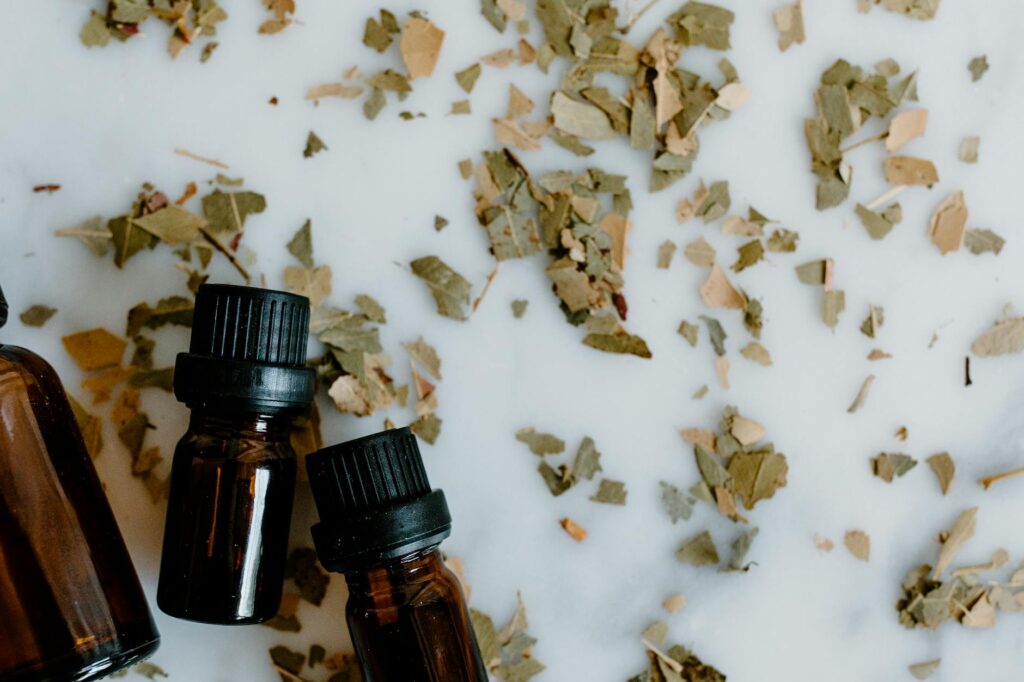
- Containers: Store essential oils in dark glass bottles to protect them from light, which can degrade their quality.
- Temperature: Keep oils in a cool, dry place away from direct sunlight and heat sources.
- Shelf Life: Depending on the type of oil, shelf life can vary. Citrus oils may last up to 1-2 years, while woody oils can last 5 years or more. Regularly check for any changes in aroma or appearance.
2. Spring to Summer
3. Summer to Autumn
4. Autumn to Winter
Custom Blending
Creating custom blends allows for personalized support tailored to individual preferences and responses. When formulating a blend, consider the desired outcomes and choose oils accordingly. A balanced approach, combining both uplifting and calming oils, can often yield the best results.
Safety Considerations
While essential oils are generally considered safe when used properly, certain precautions should be taken:
Storage and Shelf Life
Proper storage of essential oils is crucial for maintaining their potency and benefits. Here are some guidelines:
Frequently Asked Questions
1. Can I use essential oils for seasonal allergies?
While some essential oils may help alleviate symptoms related to seasonal allergies, it’s essential to understand their properties and effects. Oils like eucalyptus and lavender may provide relief, but they should not replace medical treatments.
2. How do I choose the right blend for my needs?
Consider your emotional and physical responses during seasonal changes. Identify what you would like to support—be it mood, energy, or respiratory health—and select oils known for those specific benefits.
3. Can I use essential oils in cooking?
Not all essential oils are safe for ingestion. If you wish to use oils for culinary purposes, ensure they are food-grade and consult reliable sources.
4. How often can I use aromatherapy blends?
Frequency of use will depend on individual preferences and the specific blend. Generally, aromatherapy can be enjoyed multiple times a day, but it is always wise to monitor your responses and adjust as necessary.
Conclusion
Aromatherapy blends for seasonal transition support offer a holistic approach to navigating the emotional and physical challenges that arise during seasonal shifts. By understanding the benefits and properties of various essential oils, individuals can create customized blends that enhance their well-being. Whether diffused, applied topically, or used in a bath, these natural solutions can provide comfort and balance throughout the changing seasons. As with any holistic practice, individual experiences may vary, so exploring different blends and applications can lead to a more tailored and enriching aromatherapy experience.