
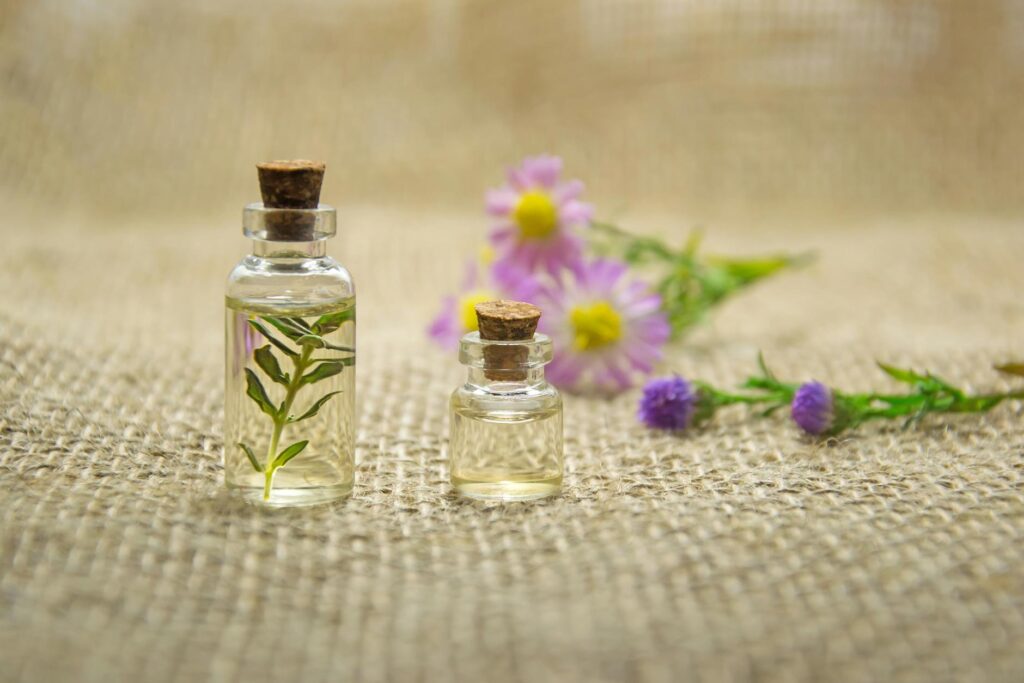
Benefits of Aromatherapy Blends for Self-Care
Introduction
In a fast-paced world often laden with stress, individuals are increasingly seeking holistic approaches to enhance their well-being. One such approach is aromatherapy, particularly through the use of essential oil blends designed for self-care. This practice harnesses the power of natural plant extracts to promote emotional, mental, and physical wellness. In this article, we will explore what aromatherapy blends for self-care entail, their benefits, common uses, applications, safety considerations, and storage recommendations.
What Are Aromatherapy Blends for Self-Care?
Aromatherapy blends are combinations of essential oils that are formulated to achieve specific outcomes. Each essential oil possesses unique properties, and when blended, they can work synergistically to enhance their effects. Self-care, in this context, refers to practices that individuals engage in to maintain or improve their health and wellness. Aromatherapy blends can play a vital role in self-care routines, helping to create a soothing environment that promotes relaxation, emotional balance, and overall well-being.
Key Benefits and Properties
Aromatherapy blends offer a myriad of benefits, stemming from the inherent properties of the essential oils used. Some of the key benefits include:
Emotional Balance
Many essential oils are known for their uplifting properties. For instance, oils like bergamot and lavender can help alleviate feelings of anxiety and stress, promoting emotional stability. Blends that include these oils can create a calming atmosphere conducive to relaxation.
Enhanced Mood
Certain essential oils, such as citrus oils (e.g., orange and lemon), are celebrated for their ability to uplift mood and stimulate the senses. Aromatherapy blends that incorporate these oils can invigorate the mind, making them ideal for use during moments of fatigue or low energy.
Mental Clarity
Blends containing oils like rosemary and peppermint are reputed for their stimulating properties. These oils can enhance focus and concentration, making them beneficial for individuals who require mental clarity while working or studying.
Physical Comfort
Some essential oils possess analgesic or anti-inflammatory properties, such as eucalyptus and ginger. Blends that feature these oils can provide soothing effects for muscle tension or discomfort, contributing to physical well-being.
Improved Sleep Quality
Blends formulated with calming oils, such as chamomile and cedarwood, can help promote restful sleep. Incorporating these blends into a bedtime routine can create a tranquil environment that encourages relaxation and sleep.
Common Uses
Aromatherapy blends can be employed in various ways, each serving different aspects of self-care. Common uses include:
Diffusion
One of the most popular methods for using aromatherapy blends is through diffusion. Essential oil diffusers disperse the oils into the air, allowing individuals to inhale their therapeutic properties. This method is particularly effective for creating a calming atmosphere in living spaces or during meditation.
Topical Application
When diluted appropriately, aromatherapy blends can be applied to the skin. This method allows the oils to interact directly with the body’s systems. Common application areas include pulse points, such as wrists and temples, or areas of tension, like shoulders and neck.
Bathing
Adding aromatherapy blends to bathwater can provide a luxurious self-care experience. The warm water helps to disperse the oils, allowing for both inhalation and absorption through the skin. This method is especially beneficial for relaxation and stress relief.
Inhalation
Simply inhaling the aroma of essential oil blends directly from the bottle or from a tissue can be an effective way to experience their benefits. This method is quick and can be done anytime, making it convenient for on-the-go self-care.
Massage
Incorporating aromatherapy blends into massage therapy can enhance the overall experience. The combination of touch and essential oils can deepen relaxation and promote emotional release.
Aromatherapy Applications
Aromatherapy blends can be tailored to suit individual needs and preferences. Here are some specific applications:
Morning Revitalization Blend
A blend featuring citrus oils like grapefruit and lemon can be invigorating in the morning. This blend can promote alertness and positivity, setting a lively tone for the day ahead.
Evening Wind-Down Blend
A calming blend containing lavender, chamomile, and sandalwood can help transition the body and mind into a state of relaxation. This blend is ideal for use before bedtime to promote restful sleep.
Stress Relief Blend
Combining oils like frankincense, bergamot, and ylang-ylang can create a soothing blend that addresses stress. This blend can be diffused during moments of tension or applied topically to pulse points.
Focus and Clarity Blend
A blend that includes rosemary, peppermint, and lemon can enhance concentration and mental clarity. This blend is suitable for use during study or work sessions.
Safety Considerations
While aromatherapy is generally considered safe, there are important safety considerations to keep in mind:
Dilution
Essential oils are highly concentrated and should be diluted before topical application. A common dilution ratio is 2-3 drops of essential oil per teaspoon of carrier oil (such as coconut or jojoba oil).
Skin Sensitivity
Individuals may have varying degrees of sensitivity to essential oils. It is advisable to perform a patch test before applying a new blend to a larger area of the skin.
Avoiding Certain Oils
Some essential oils are not recommended for use during pregnancy, for infants, or for individuals with certain medical conditions. It is advisable to research the specific oils being used and consult with a knowledgeable practitioner if you have concerns.
Quality of Essential Oils
The quality of essential oils can vary significantly. It is important to source oils from reputable suppliers that provide pure, high-quality products. Look for oils that are labeled as 100% pure essential oils, free from additives or synthetic compounds.
Storage and Shelf Life
Proper storage of essential oils is crucial to maintaining their efficacy. Essential oils should be kept in dark glass bottles to protect them from light and heat. They should be stored in a cool, dry place, away from direct sunlight.
Shelf Life
The shelf life of essential oils varies depending on the type of oil. Generally, citrus oils have a shorter shelf life of 1-2 years, while oils like sandalwood and patchouli can last for 3-5 years or longer. It’s advisable to check the oils periodically for changes in scent or consistency, which may indicate that they have expired.
Frequently Asked Questions
How do I choose the right aromatherapy blend for me?
Choosing an aromatherapy blend depends on your individual needs and preferences. Consider what you hope to achieve—whether it’s relaxation, focus, or mood enhancement—and select oils that align with those goals.
Can I create my own aromatherapy blends?
Absolutely! Many individuals enjoy crafting their own blends. Start by selecting a few essential oils that resonate with you, and experiment with different ratios until you find a blend that you love.
How often can I use aromatherapy blends?
The frequency of use depends on the method of application. For diffusion, you can use blends multiple times throughout the day. For topical application, it is generally recommended to apply them 2-3 times a day, ensuring that they are properly diluted.
Are there any contraindications for using aromatherapy blends?
Yes, certain essential oils may have contraindications for specific populations. Pregnant women, nursing mothers, and individuals with certain medical conditions should exercise caution and seek guidance before using essential oils.
Can aromatherapy replace traditional medicine?
Aromatherapy is best viewed as a complementary practice rather than a replacement for traditional medicine. It can enhance overall well-being and support self-care efforts but should not be used as a substitute for medical treatment.
Conclusion
Aromatherapy blends offer a rich tapestry of benefits for self-care, promoting emotional balance, mental clarity, and physical comfort. By understanding the properties of essential oils and how to use them effectively, individuals can create personalized experiences that enhance their well-being. As with any holistic practice, it is essential to approach aromatherapy with mindfulness, ensuring safety and quality while embracing the soothing and uplifting nature of these natural plant extracts.