
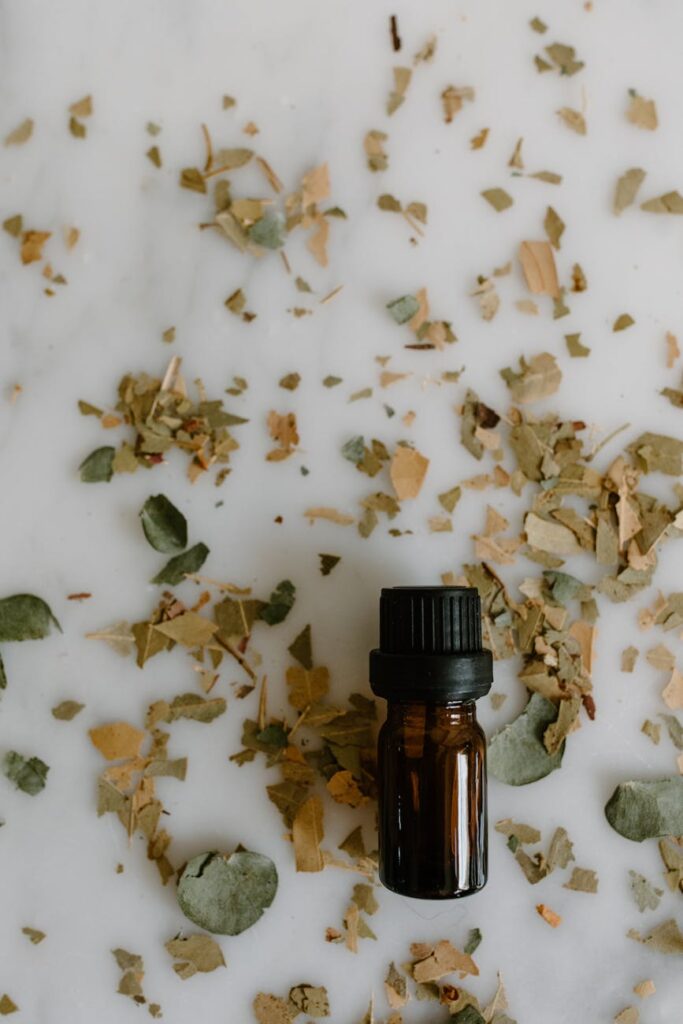
Benefits of Aromatherapy Blends for Sinus Relief
Introduction
Aromatherapy, the practice of using essential oils extracted from plants, has gained popularity for its potential therapeutic benefits. Among its many applications, the use of aromatherapy blends for sinus relief is particularly noteworthy. Sinus congestion can be uncomfortable and disruptive, affecting daily activities and overall well-being. This article explores the nature of aromatherapy blends aimed at alleviating sinus discomfort, detailing their key benefits, applications, and safety considerations.
What Is Aromatherapy Blends for Sinus Relief?
Aromatherapy blends for sinus relief consist of specific combinations of essential oils designed to address symptoms associated with sinus congestion, such as stuffiness, pressure, and discomfort. These blends typically include oils with properties that can promote respiratory function, reduce inflammation, and enhance overall well-being. Common essential oils used in these blends include eucalyptus, peppermint, tea tree, and lavender, each known for their unique aromatic and therapeutic properties.
Key Benefits and Properties
1. Decongestant Effects
Certain essential oils possess natural decongestant properties. Eucalyptus oil, for example, contains compounds such as eucalyptol, which may help to open airways and promote easier breathing. When inhaled, these oils can facilitate mucus drainage, providing a sense of relief from sinus pressure.
2. Anti-Inflammatory Properties
Inflammation is a common cause of sinus discomfort. Essential oils such as peppermint and tea tree have been studied for their anti-inflammatory properties, which may help to reduce swelling in the sinus cavities. This reduction in inflammation can lead to increased airflow and decreased discomfort.
3. Antimicrobial Benefits
Some essential oils are known for their antimicrobial properties, which can help combat infections that may contribute to sinus issues. Tea tree oil, for instance, has been recognized for its ability to inhibit the growth of certain bacteria and fungi. Incorporating such oils into your sinus relief blends may support overall respiratory health.
4. Calming Effects
Sinus discomfort can lead to feelings of stress and anxiety. Aromatherapy blends often include oils like lavender, which is celebrated for its calming and soothing effects. This can help to ease the mind, promoting relaxation and a sense of well-being during times of discomfort.
Common Uses
Aromatherapy blends for sinus relief can be utilized in various ways, allowing individuals to choose the method that best suits their preferences and lifestyle.
1. Inhalation
Inhaling essential oils is one of the most effective methods for experiencing their benefits. This can be done using a diffuser or by adding a few drops of essential oil to a bowl of steaming hot water. Covering the head with a towel while leaning over the bowl can create a mini steam tent, allowing the warm, aromatic vapors to penetrate deeply into the nasal passages.
2. Topical Application
Diluting essential oils in a carrier oil and applying them to the chest, neck, or sinus areas can provide localized relief. Common carrier oils include jojoba, coconut, and sweet almond oil. It’s essential to conduct a patch test to ensure there is no adverse skin reaction.
3. Bath Soaks
Adding aromatherapy blends to a warm bath can create a soothing environment that promotes relaxation while also benefiting the respiratory system. The warm water and steam can enhance the inhalation of essential oils, providing dual benefits.
4. Nasal Inhalers
Portable nasal inhalers can be filled with aromatherapy blends for on-the-go relief. These inhalers are discreet and convenient, allowing individuals to access the benefits of essential oils anytime, anywhere.
Aromatherapy Applications
The applications of aromatherapy blends for sinus relief vary widely, depending on individual preferences and the specific essential oils used. Here are some popular combinations:
Eucalyptus and Peppermint Blend
This invigorating blend combines the decongestant properties of eucalyptus with the cooling sensation of peppermint. It can be particularly effective for opening airways and promoting easier breathing.
Lavender and Tea Tree Blend
By combining lavender’s calming effects with tea tree’s antimicrobial properties, this blend can provide both comfort and support during times of sinus discomfort. It can be beneficial for evening use, promoting relaxation before sleep.
Lemon and Rosemary Blend
Lemon oil is known for its uplifting qualities, while rosemary can enhance mental clarity. Together, they create an energizing blend that may also help to clear sinus congestion.
Frankincense and Ginger Blend
Frankincense is revered for its anti-inflammatory properties, while ginger can provide warmth and comfort. This blend can be particularly soothing during colder months when sinus issues are more prevalent.
Safety Considerations
While aromatherapy can offer various benefits, it is important to approach it with caution. Here are some key safety considerations:
1. Dilution
Essential oils are highly concentrated and should always be diluted before topical application. A general guideline is to use a dilution ratio of 2-3% essential oil to carrier oil for adults and even lower for children.
2. Allergies and Sensitivities
Individuals with allergies or sensitivities should conduct a patch test before using any new essential oil blend. Applying a small amount to an inconspicuous area of skin can help identify any adverse reactions.
3. Pregnancy and Medical Conditions
Consulting with a healthcare professional before using essential oils during pregnancy or if you have pre-existing medical conditions is advisable. Some oils may not be safe for certain individuals.
4. Quality of Essential Oils
The quality of essential oils varies significantly among brands. It is advisable to choose high-quality, pure essential oils from reputable sources to ensure their effectiveness and safety.
Storage and Shelf Life
Proper storage of essential oils is essential to maintain their potency and effectiveness. Here are some guidelines:
1. Dark Glass Containers
Essential oils should be stored in dark glass containers to protect them from light, which can degrade their quality. Avoid plastic containers, as essential oils can break down plastic over time.
2. Cool, Dry Place
Store essential oils in a cool, dry place away from direct sunlight and heat sources. High temperatures can negatively affect the integrity of the oils.
3. Shelf Life
While essential oils do not spoil in the traditional sense, their potency can diminish over time. Most essential oils have a shelf life of 1 to 3 years, depending on the type. Regularly check the oils for changes in aroma, consistency, and color to determine their viability.
Frequently Asked Questions
1. Can I use essential oils directly on my skin?
It is not recommended to apply undiluted essential oils directly to the skin. Always dilute them with a carrier oil to minimize the risk of irritation.
2. How often can I use aromatherapy blends for sinus relief?
Frequency of use can vary based on individual tolerance and preference. However, it is generally advisable to use aromatherapy blends 1-3 times a day.
3. Are there any essential oils I should avoid for sinus relief?
Certain oils, such as wintergreen or clove, may be too strong and should be used with caution. Always consult with a knowledgeable source if unsure about specific oils.
4. Can children use aromatherapy blends for sinus relief?
Children can benefit from aromatherapy; however, it is crucial to use oils that are safe for their age group and to dilute them adequately. Consulting with a pediatrician or an aromatherapist is recommended.
5. How can I create my own aromatherapy blend for sinus relief?
To create a custom blend, select essential oils known for their sinus-relieving properties, choose a suitable carrier oil, and mix them in a dark glass bottle. Experiment with different combinations and ratios to find what works best for you.
Conclusion
Aromatherapy blends for sinus relief offer a natural and holistic approach to managing sinus discomfort. With a variety of essential oils available, individuals can create personalized blends tailored to their unique needs. As with any practice, understanding the properties and safe usage of these oils is essential for maximizing their benefits while minimizing risks. Embracing aromatherapy can be a rewarding experience, enhancing both physical and emotional well-being.