
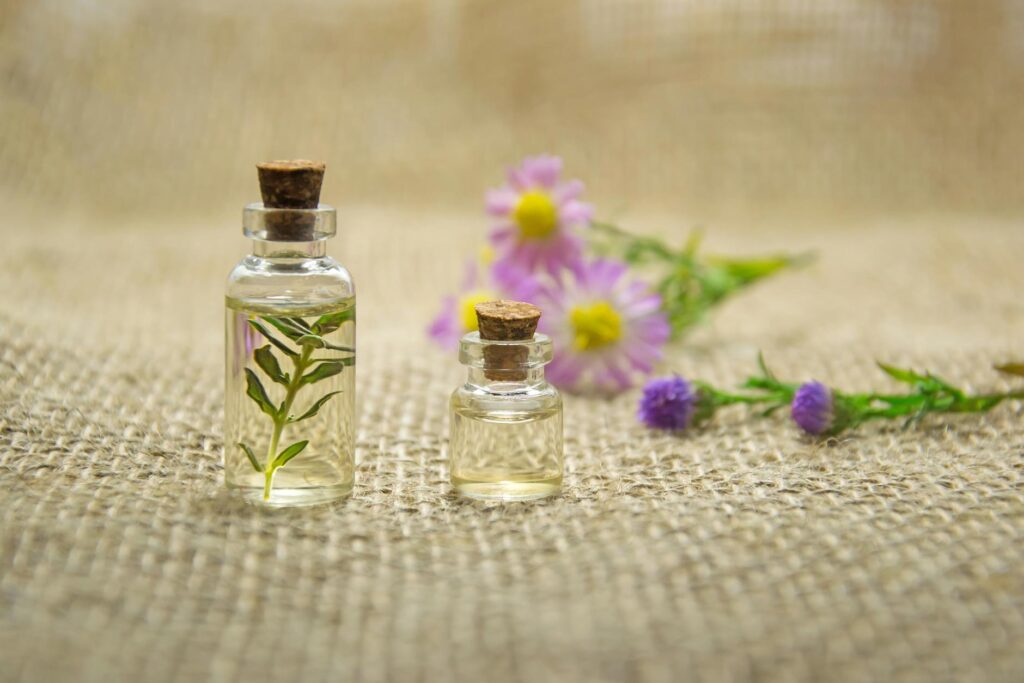
Benefits of Aromatherapy Blends for Skin Care
Introduction
Aromatherapy, a holistic healing practice that utilizes essential oils derived from plants, has gained significant popularity in recent years. The practice is not only used for emotional and mental well-being but also for skin care. Aromatherapy blends for skin care can provide numerous benefits, including hydration, rejuvenation, and overall skin health. This article explores what aromatherapy blends are, their key benefits, common uses, applications, safety considerations, storage, and answers to frequently asked questions.
What Is Aromatherapy Blends for Skin Care?
Aromatherapy blends for skin care are combinations of essential oils formulated to enhance the condition and appearance of the skin. These essential oils are extracted from various parts of plants, including leaves, flowers, stems, and roots. When mixed with carrier oils or other base ingredients, they can create therapeutic formulations that cater to specific skin types and conditions.
The art of blending involves understanding the properties of different essential oils and how they can complement one another. For example, a blend designed for dry skin may include oils known for their moisturizing properties, while a blend for oily or acne-prone skin may feature oils with astringent qualities.
Key Benefits and Properties
The appeal of aromatherapy blends for skin care lies in their multifaceted benefits. Below are some key benefits and the properties of common essential oils used in skin care:
1. Hydration and Moisturization
Certain essential oils, such as lavender and sandalwood, possess hydrating properties that can help restore moisture to dry skin. When combined with a carrier oil like jojoba or almond oil, these blends can create a nourishing layer that locks in hydration.
2. Anti-Aging
Essential oils such as frankincense and rose are often included in anti-aging formulations. They are known for their ability to improve skin elasticity, reduce the appearance of fine lines, and promote a youthful glow.
3. Acne Treatment
Tea tree oil and lavender are popular choices for combating acne. Their antibacterial and anti-inflammatory properties help reduce breakouts and soothe irritated skin.
4. Skin Tone and Texture Improvement
Geranium and neroli essential oils are frequently used to enhance skin tone and texture. They can help balance oil production and promote a more even complexion.
5. Soothing and Calming
Essential oils like chamomile and ylang-ylang are known for their calming effects on the skin. They are beneficial for sensitive skin types and can help reduce redness and irritation.
Common Uses
Aromatherapy blends can be used in various ways to enhance skin care routines. Here are some common applications:
1. Facial Oils
One of the most popular uses of aromatherapy blends is in facial oils. These blends can be massaged into the skin daily to provide hydration and nourishment.
2. Creams and Lotions
Incorporating essential oils into creams and lotions can enhance their effectiveness. Many commercial skin care products contain essential oils for added benefits.
3. Masks
Aromatherapy blends can also be used in facial masks, offering a concentrated treatment that can detoxify and rejuvenate the skin.
4. Bath Soaks
Adding a few drops of essential oils to a warm bath can create a soothing experience for both the skin and the senses, promoting relaxation and skin health.
5. Diffusers
While not a direct application to the skin, diffusing essential oils in a space can enhance overall well-being and can indirectly benefit skin health through stress reduction.
Aromatherapy Applications
The application of aromatherapy blends to the skin can vary depending on the intended benefits. Here are some methods:
1. Dilution with Carrier Oils
Essential oils are highly concentrated and should always be diluted with a carrier oil before application. Common carrier oils include:
- Jojoba Oil: Mimics the skin’s natural oils.
- Sweet Almond Oil: Rich in vitamins A and E, excellent for all skin types.
- Coconut Oil: Provides deep hydration and has antimicrobial properties.
2. Massage
Incorporating aromatherapy blends into massage routines can enhance relaxation and skin health. Massage helps improve circulation and allows the oils to penetrate the skin more effectively.
3. Spot Treatment
For specific skin issues, such as acne or dry patches, diluted essential oils can be applied directly to affected areas for targeted treatment.
4. Steam Treatments
Adding essential oils to steam treatments can help open pores and allow for deeper penetration of the oils, enhancing their benefits.
Safety Considerations
While aromatherapy blends offer numerous benefits, it is essential to be aware of safety considerations:
1. Skin Sensitivity
Before applying any new essential oil or blend, it is advisable to conduct a patch test. This involves applying a small amount of the diluted blend to a discreet area of skin to check for any adverse reactions.
2. Quality of Oils
Always choose high-quality, pure essential oils from reputable sources. Synthetic oils or those with additives may not provide the desired benefits and can cause skin irritation.
3. Dilution Ratios
Essential oils should be diluted according to recommended guidelines. A common dilution ratio is 2-3 drops of essential oil per teaspoon of carrier oil for topical application.
4. Pregnancy and Medical Conditions
Certain essential oils may not be suitable for pregnant women or individuals with specific medical conditions. It is crucial to consult a knowledgeable professional before using essential oils in these cases.
Storage and Shelf Life
Proper storage of essential oils and blends is essential for maintaining their potency and effectiveness. Here are some tips:
1. Dark Glass Containers
Store essential oils in dark glass containers to protect them from light, which can degrade their quality.
2. Cool, Dry Location
Keep oils in a cool, dry place, away from direct sunlight and heat sources, to prolong their shelf life.
3. Shelf Life
Most essential oils have a shelf life of 1-3 years, depending on the type. Citrus oils tend to have a shorter shelf life, while oils like patchouli and sandalwood can last longer.
Frequently Asked Questions
1. Can I use aromatherapy blends on sensitive skin?
While many essential oils can be beneficial for sensitive skin, it is crucial to dilute them properly and conduct a patch test before broader application.
2. How often can I use aromatherapy blends for skin care?
The frequency of use depends on the specific blend and individual skin type. Generally, using a blend daily or a few times a week is common for optimal results.
3. Are all essential oils safe for skin application?
Not all essential oils are suitable for topical application. Some oils can cause irritation or allergic reactions. Researching each oil’s properties and safety guidelines is essential.
4. Can I create my own blends at home?
Yes, creating your own aromatherapy blends can be an enjoyable and rewarding experience. However, it is important to educate yourself about the properties and safety of each oil.
5. What is the best way to incorporate these blends into my skincare routine?
The best way to incorporate aromatherapy blends is to start slowly. Introduce one product at a time, observe how your skin reacts, and adjust your routine as needed.
Conclusion
Aromatherapy blends for skin care offer a wealth of benefits for individuals seeking natural solutions for their skin health. By understanding the properties of essential oils and their applications, one can create personalized blends that cater to specific skin needs. While these blends can enhance one’s skincare routine, it is essential to prioritize safety, quality, and proper use. As the interest in natural wellness continues to grow, aromatherapy blends remain a compelling option for achieving radiant, healthy skin.