
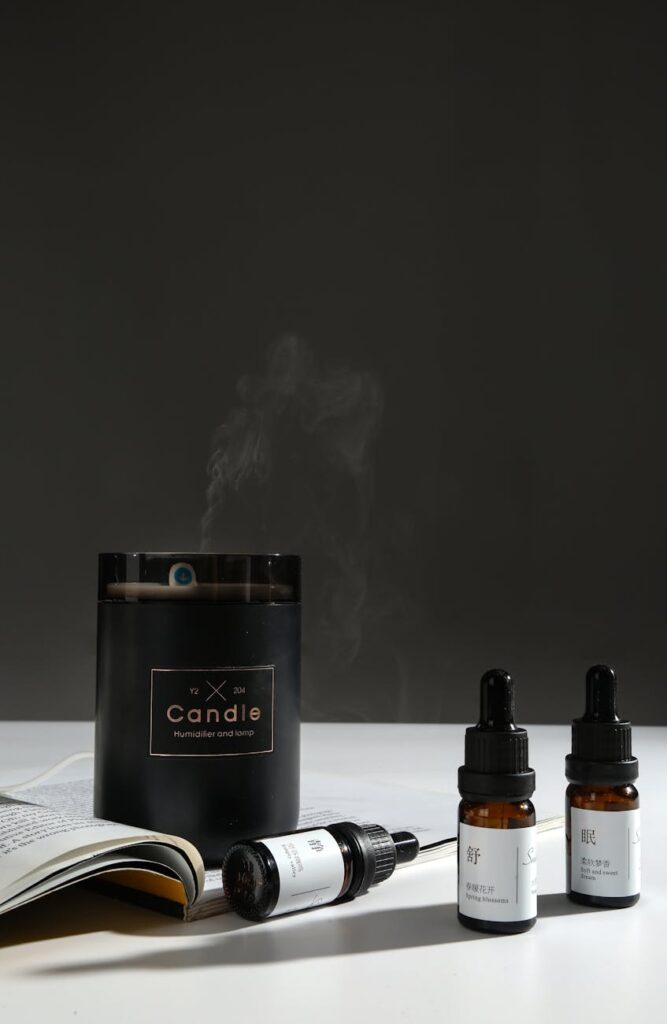
Benefits of Aromatherapy Blends for Sleep Enhancement
Introduction
In an increasingly fast-paced world, achieving restful sleep has become a challenge for many individuals. Aromatherapy, a holistic practice utilizing natural plant extracts, offers a gentle and soothing approach to enhancing sleep quality. By employing specific essential oils in carefully crafted blends, many people find a pathway to relaxation and improved sleep. This article explores the essence of aromatherapy blends for sleep enhancement, their key benefits, applications, and important safety considerations.
What Is Aromatherapy Blends for Sleep Enhancement?
Aromatherapy is a therapeutic practice that leverages the aromatic properties of essential oils derived from plants. These oils are extracted from various parts of plants, such as leaves, flowers, bark, and roots, and are known for their unique fragrances and potential therapeutic properties.
Aromatherapy blends specifically formulated for sleep enhancement typically combine several essential oils known for their calming effects. These blends aim to create a harmonious atmosphere conducive to relaxation and sleep. Common ingredients may include lavender, chamomile, bergamot, and cedarwood, among others. The idea is to create a multi-faceted sensory experience that promotes tranquility and helps ease the mind into a restful state.
Key Benefits and Properties
1. Promotes Relaxation
Essential oils like lavender and chamomile are renowned for their relaxing properties. The soothing aromas can help lower heart rates and reduce feelings of anxiety, creating an environment that encourages relaxation and prepares the body for sleep.
2. Reduces Stress
Stress is a primary contributor to sleeplessness. Aromatherapy blends can play a vital role in reducing stress levels. Oils such as bergamot and ylang-ylang have mood-enhancing properties that may help alleviate feelings of tension and promote emotional balance.
3. Improves Sleep Quality
Certain essential oils are known for their sedative effects, which can enhance the overall quality of sleep. Oils like vetiver and marjoram are commonly used in sleep blends, as they may help increase the duration of deep sleep, leading to a more restorative slumber.
4. Supports a Calm Mind
Aromatherapy can help calm racing thoughts and mental chatter, which are often barriers to falling asleep. Oils such as frankincense and sandalwood may facilitate a meditative state, allowing the mind to unwind and settle down.
5. Creates a Soothing Environment
The act of diffusing essential oils or incorporating them into bedtime rituals can create a soothing atmosphere. This sensory experience can signal to the body that it is time to wind down, making it easier to transition into sleep.
Common Uses
Aromatherapy blends for sleep enhancement can be utilized in various ways. Here are some common applications:
1. Diffusion
Using an essential oil diffuser is one of the most popular methods for dispersing aromatic blends throughout a room. By diffusing oils before bedtime, individuals can create a calming environment that promotes relaxation.
2. Topical Application
Some blends can be diluted with a carrier oil (such as jojoba or almond oil) and applied to pulse points, such as the wrists, neck, or behind the ears. This method allows for direct absorption of the oils into the skin.
3. Bath Soaks
Adding a few drops of an aromatherapy blend to a warm bath can enhance relaxation. The warmth of the water combined with the aromatic properties of the oils can create a serene experience.
4. Pillow Sprays
Creating a sleep-inducing pillow spray by combining essential oils with water in a spray bottle is another effective method. Spraying this blend onto pillows and bedding can create a calming olfactory environment conducive to sleep.
5. Sleep Masks
Infusing sleep masks with essential oils can provide a sensory experience that enhances relaxation. This method can be particularly effective for light sleepers or those sensitive to environmental disturbances.
Aromatherapy Applications
1. Essential Oil Recipes
Certain combinations of essential oils are particularly effective for sleep enhancement. Here are a few popular blends:
- Lavender & Chamomile Blend: Known for their calming properties, a combination of these two oils can create a soothing atmosphere.
- Bergamot & Cedarwood Blend: Bergamot’s uplifting qualities paired with the grounding aspects of cedarwood can reduce stress and promote a peaceful night’s sleep.
- Ylang-Ylang & Vetiver Blend: This combination can help calm anxiety and encourage deep, restful sleep.
2. Customization
Individuals may choose to customize their blends based on personal preferences or specific needs. Experimenting with different oils can lead to discovering unique combinations that resonate with one’s sensory experience.
Safety Considerations
While aromatherapy is generally considered safe, there are several precautions to keep in mind:
1. Skin Sensitivity
Some individuals may experience skin irritation from essential oils, particularly if used in concentrated forms. It is advisable to conduct a patch test before applying any blend topically.
2. Pregnant or Nursing Individuals
Certain essential oils may not be safe for pregnant or nursing women. It is essential to research specific oils or consult with a qualified expert before use.
3. Children and Pets
When using aromatherapy blends around children and pets, it is crucial to choose oils that are safe for their age and species. Some essential oils can be toxic to animals, so careful consideration is necessary.
4. Quality of Essential Oils
The quality of essential oils can vary significantly. It is crucial to select high-quality, pure essential oils from reputable sources to ensure safety and efficacy.
Storage and Shelf Life
Proper storage of essential oils is essential for maintaining their potency and effectiveness. Here are some tips:
1. Dark Glass Containers
Essential oils should be stored in dark glass bottles to protect them from light, which can degrade their quality.
2. Cool, Dry Place
Keeping oils in a cool, dry location away from direct sunlight and heat sources will help prolong their shelf life.
3. Shelf Life
While the shelf life of essential oils can vary depending on the type, most oils maintain their efficacy for 1 to 3 years when stored properly. However, it’s essential to check for changes in aroma or consistency, which may indicate that the oil has gone bad.
Frequently Asked Questions
Q1: Can aromatherapy blends replace sleep medications?
Aromatherapy blends are not intended to replace medical treatments or medications. They can be used as complementary tools to promote relaxation and improve sleep quality.
Q2: How long does it take for aromatherapy to work?
The effects of aromatherapy can vary based on individual sensitivity and the method of application. Some individuals may notice immediate effects, while others might require consistent use over time to experience benefits.
Q3: Are there any oils to avoid for sleep enhancement?
Certain stimulating oils, such as citrus oils (like lemon and grapefruit), may be better suited for daytime use as they can be invigorating rather than calming.
Q4: Can I use multiple blends at once?
While it is possible to use multiple blends, it is advisable to start with one blend to assess its effects before introducing others. Mixing too many scents may overwhelm the senses.
Q5: How often should I use aromatherapy for sleep?
Frequency of use can depend on personal preference. Many individuals benefit from incorporating aromatherapy into their nightly routine, while others may use it as needed.
Conclusion
Aromatherapy blends for sleep enhancement offer a natural, holistic approach to improving sleep quality. With a variety of essential oils known for their calming properties, individuals can create personalized blends that suit their unique preferences and needs. By understanding the benefits, applications, and safety considerations, one can effectively harness the power of aromatic plants to foster a peaceful and restorative sleep experience.