
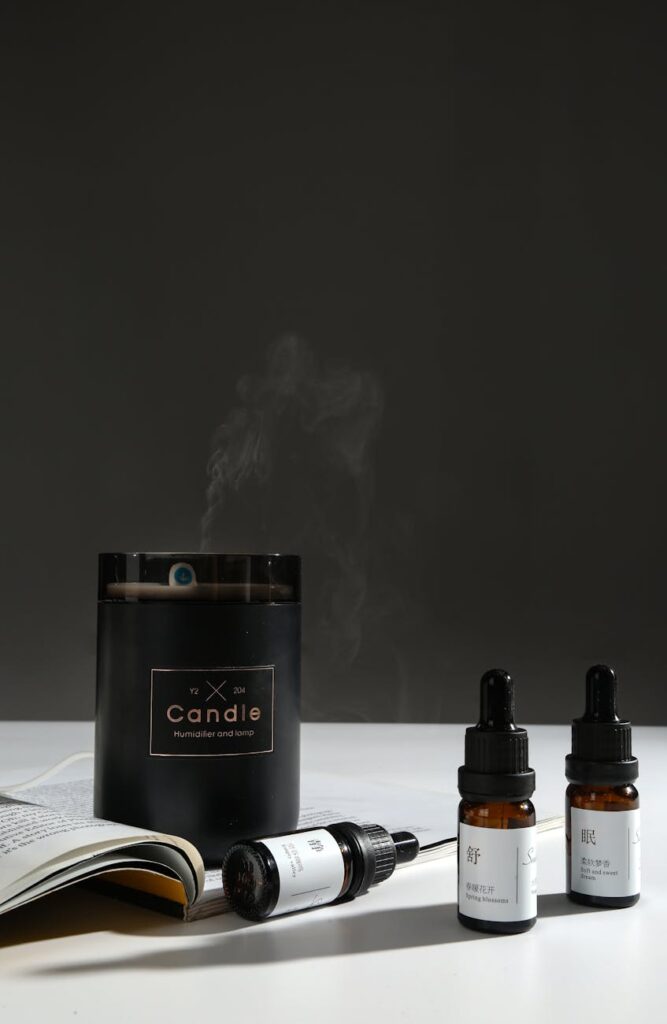
Benefits of Aromatherapy Blends for Sleep Quality Enhancement
Introduction
In today’s fast-paced world, achieving quality sleep has become increasingly challenging for many individuals. Sleep disturbances can stem from various factors, including stress, anxiety, and lifestyle choices. As a result, there has been a growing interest in natural remedies, such as aromatherapy, to help enhance sleep quality. Aromatherapy blends, which combine the therapeutic properties of essential oils, offer a holistic approach to promoting relaxation and restful sleep. This article explores the concept of aromatherapy blends for sleep quality enhancement, their benefits, common uses, applications, safety considerations, and storage guidelines.
What Is Aromatherapy Blends for Sleep Quality Enhancement?
Aromatherapy is a holistic healing practice that utilizes aromatic plant extracts known as essential oils. These oils are extracted from various parts of plants, including flowers, leaves, bark, and roots, and are believed to possess unique therapeutic properties. An aromatherapy blend is a combination of different essential oils, carefully formulated to achieve specific effects. When it comes to sleep quality enhancement, these blends typically include oils known for their calming and soothing properties.
The aromas from essential oils stimulate the olfactory system, which is connected to the brain’s limbic system. This connection influences emotions, memory, and even physiological responses, thereby promoting relaxation and reducing stress levels, which are crucial for improving sleep quality.
Key Benefits and Properties
1. Promotes Relaxation
Many essential oils used in sleep blends, such as lavender, chamomile, and bergamot, are renowned for their calming effects. These oils can help lower cortisol levels (the stress hormone) and induce relaxation, setting the stage for a restful night.
2. Reduces Anxiety and Stress
Aromatherapy blends specifically formulated for sleep often include oils like ylang-ylang and frankincense, known for their ability to decrease anxiety and promote emotional well-being. The calming scents can ease racing thoughts and create a serene environment conducive to sleep.
3. Enhances Sleep Quality
Using essential oils before bedtime can improve sleep quality by helping individuals fall asleep faster and stay asleep longer. Oils like cedarwood and vetiver have sedative properties that may enhance the overall sleep experience.
4. Addresses Sleep Disorders
While aromatherapy should not be viewed as a cure for sleep disorders, certain blends may alleviate symptoms associated with conditions like insomnia. Oils such as marjoram and valerian root have been traditionally used to support sleep and relaxation.
5. Creates a Sleep-Inducing Environment
Aromatherapy blends can transform a bedroom into a peaceful sanctuary. The pleasant scents can mask unpleasant odors and create an inviting atmosphere, promoting a sense of tranquility that supports restful sleep.
Common Uses
Aromatherapy blends for sleep can be utilized in various ways, each enhancing the experience of relaxation and sleep.
1. Diffusion
Using an essential oil diffuser is one of the most popular methods for dispersing aromas throughout a room. Simply add a few drops of the sleep blend to the diffuser and allow the gentle mist to fill the air, creating a calming environment.
2. Topical Application
Many people enjoy applying aromatherapy blends to pulse points—such as wrists, temples, or behind the ears—before bedtime. When diluted with a carrier oil, these blends can be safely applied to the skin to enhance relaxation.
3. Bath Soaks
Adding a few drops of an aromatherapy sleep blend to a warm bath can create a soothing ritual before bedtime. The warm water, combined with the aromatic properties of the oils, can help ease tension and prepare the body for sleep.
4. Pillow Sprays
Creating a pillow spray by mixing essential oils with water in a spray bottle can offer an instant calming effect. Spraying the blend on pillows and bedding can help create a peaceful scent that lingers throughout the night.
5. Sleep Masks
For those who prefer a more direct method, applying a drop of an essential oil blend to a sleep mask can provide a calming scent while blocking out light. This can enhance the experience of relaxation and promote deeper sleep.
Aromatherapy Applications
1. Lavender and Chamomile Blend
Both lavender and chamomile are well-documented for their calming effects. This blend can be used in a diffuser or as a pillow spray to create a relaxing atmosphere conducive to sleep.
2. Bergamot and Ylang-Ylang Blend
Bergamot, known for its uplifting properties, when combined with the sweet, floral scent of ylang-ylang, can reduce anxiety and promote emotional balance. This blend can be effective in a bath or as a topical application.
3. Cedarwood and Vetiver Blend
The earthy, woody scents of cedarwood and vetiver make this blend ideal for grounding and calming the mind. It can be particularly useful for individuals who struggle with racing thoughts before bedtime.
4. Marjoram and Valerian Root Blend
Combining marjoram with valerian root creates a powerful blend that may help address sleep disturbances. This blend can be applied topically or used in a diffuser for maximum effect.
Safety Considerations
While aromatherapy is generally considered safe for most individuals, it is essential to keep the following safety considerations in mind:
1. Dilution
Essential oils are potent and should always be diluted in a carrier oil before topical application. A common dilution ratio is 2-3 drops of essential oil per teaspoon of carrier oil.
2. Allergies and Sensitivities
Individuals with allergies or skin sensitivities should conduct a patch test before using a new essential oil. If irritation occurs, discontinue use immediately.
3. Consultation
Pregnant individuals, nursing mothers, and those with pre-existing health conditions should consult a healthcare professional before using essential oils, as some oils may not be suitable.
4. Quality of Oils
Choosing high-quality, pure essential oils from reputable suppliers is crucial. Adulterated or synthetic oils may not provide the desired effects and could potentially cause adverse reactions.
Storage and Shelf Life
Proper storage of essential oils is vital to maintain their efficacy and longevity. Here are some guidelines:
1. Store in a Cool, Dark Place
Essential oils should be kept in a cool, dark location away from direct sunlight and heat sources. This helps preserve their potency.
2. Use Dark Glass Containers
Storing essential oils in dark glass containers, such as amber or cobalt blue bottles, protects them from light exposure that can degrade their quality.
3. Check Expiry Dates
Most essential oils have a shelf life of 1 to 3 years, depending on the type. Regularly check the oils for any changes in scent or appearance and dispose of any that have expired.
Frequently Asked Questions
1. Can aromatherapy blends replace sleep medications?
Aromatherapy blends can complement relaxation techniques but should not be viewed as a substitute for prescribed sleep medications. It is essential to consult a healthcare professional regarding sleep issues.
2. How long before bed should I use aromatherapy blends?
Using aromatherapy blends about 30 minutes to an hour before bedtime can create a calming atmosphere and help signal to the body that it is time to wind down.
3. Are there any essential oils to avoid during pregnancy?
Certain essential oils, such as sage, rosemary, and jasmine, may not be recommended during pregnancy. It is essential to consult a healthcare professional for advice on safe oils.
4. Can children use aromatherapy blends?
Aromatherapy can be beneficial for children, but it is crucial to use diluted blends and consult a pediatrician for guidance on safe oils and application methods.
5. How do I know which essential oils are best for sleep?
Experimenting with different essential oils will help you discover which scents resonate with you. Popular options for sleep enhancement include lavender, chamomile, cedarwood, and bergamot.
Conclusion
Aromatherapy blends for sleep quality enhancement offer a natural and holistic approach to improving sleep. By harnessing the therapeutic properties of essential oils, individuals can create a calming environment that promotes relaxation and restful sleep. Whether through diffusion, topical application, or bath soaks, the benefits of these blends can transform bedtime routines into soothing rituals. As with any natural remedy, understanding safety considerations and proper usage will ensure a positive experience in the pursuit of better sleep.