
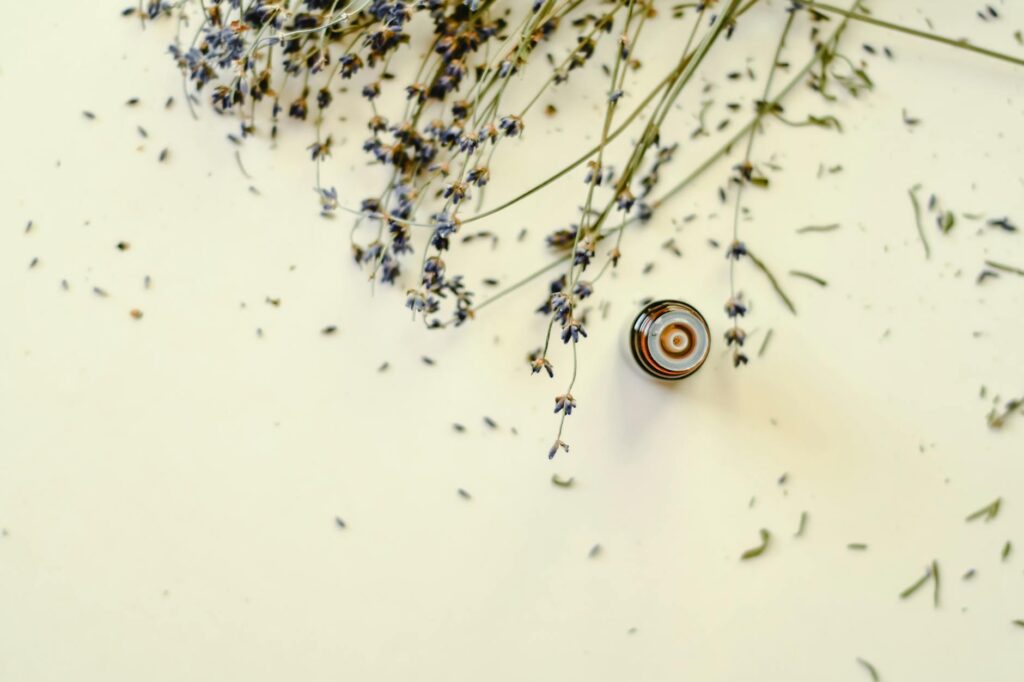
Benefits of Aromatherapy Blends for Stress Reduction
Introduction
In an increasingly fast-paced world, stress has become a prevalent issue that affects many individuals. Aromatherapy, a holistic practice that utilizes essential oils derived from plants, has gained popularity as a natural approach to promote relaxation and well-being. This article explores the benefits of aromatherapy blends specifically designed for stress reduction, highlighting their properties, applications, and safety considerations.
What Is Aromatherapy Blends for Stress Reduction?
Aromatherapy blends for stress reduction are formulations that combine various essential oils, each selected for its calming and soothing properties. These blends are often used in practices such as massage, diffusing, or bathing to create an environment conducive to relaxation. The science behind aromatherapy lies in the olfactory system; when essential oils are inhaled, they interact with the brain’s limbic system, which plays a crucial role in emotions, behaviors, and memories.
Key Benefits and Properties
1. Calming Effects
Many essential oils possess calming properties that can help reduce feelings of anxiety and tension. For instance, lavender (Lavandula angustifolia) is well-known for its ability to promote relaxation and improve sleep quality. Similarly, chamomile (Matricaria chamomilla) is recognized for its soothing effects, making it a popular choice in stress-reduction blends.
2. Mood Enhancement
Aromatherapy blends can help uplift mood and promote a sense of well-being. Essential oils such as bergamot (Citrus bergamia) and sweet orange (Citrus sinensis) are often incorporated into stress-reduction blends due to their ability to enhance mood and alleviate symptoms of depression.
3. Physical Relaxation
Certain essential oils can help ease muscle tension and promote overall physical relaxation. Oils like marjoram (Origanum majorana) and ylang-ylang (Cananga odorata) are known for their ability to relieve tension and promote a sense of calm in the body.
4. Improved Sleep Quality
Stress often leads to difficulties in falling and staying asleep. Aromatherapy blends that include sedative essential oils like lavender and cedarwood (Cedrus atlantica) may help improve sleep quality and create a restful environment.
5. Enhanced Focus and Clarity
While promoting relaxation, some essential oils can also enhance mental clarity and focus. Oils like rosemary (Rosmarinus officinalis) and peppermint (Mentha piperita) are known for their ability to stimulate the mind, making them valuable additions to stress-reduction blends.
Common Uses
1. Diffusion
One of the most popular methods of using aromatherapy blends for stress reduction is through diffusion. Diffusers disperse essential oils into the air, allowing individuals to inhale the aromatic compounds. This method is particularly effective in creating a calming atmosphere in homes, offices, or therapy spaces.
2. Topical Application
Aromatherapy blends can also be applied topically for stress reduction. It is essential to dilute essential oils with a carrier oil, such as jojoba or coconut oil, before applying them to the skin. Common application areas include pulse points, temples, and the back of the neck.
3. Bathing
Incorporating aromatherapy blends into bath rituals can enhance relaxation. Adding a few drops of an essential oil blend to warm bathwater can provide both physical and mental relief. Epsom salts can also be added to enhance the experience.
4. Inhalation
Simple inhalation of essential oils directly from the bottle or through a cotton ball can provide immediate stress relief. This method is convenient and can be done anywhere, making it a practical option for stressful moments.
5. Massage
Combining aromatherapy blends with massage therapy can amplify the benefits of both practices. The soothing touch of massage, paired with the calming properties of essential oils, can create a deeply relaxing experience.
Aromatherapy Applications
Creating Your Own Blends
Crafting personalized aromatherapy blends for stress reduction can be an enjoyable and fulfilling process. Here are some essential oils commonly used in stress-reduction blends:
- Lavender: Promotes relaxation and reduces anxiety.
- Bergamot: Uplifts mood and alleviates stress.
- Ylang-Ylang: Helps balance emotions and reduce tension.
- Frankincense: Encourages a sense of peace and grounding.
- Cedarwood: Supports restful sleep and relaxation.
To create a blend, consider mixing 3-5 drops of each essential oil with a carrier oil or in a diffuser. Experimenting with various combinations can lead to discovering a blend that resonates with your individual preferences.
Pre-Made Blends
For those who prefer convenience, many brands offer pre-made aromatherapy blends specifically formulated for stress reduction. These blends often come in roller bottles or ready-to-use diffusers, providing an easy way to incorporate aromatherapy into daily routines.
Safety Considerations
While aromatherapy is generally considered safe, there are essential safety guidelines to follow:
1. Dilution
Always dilute essential oils before topical application. A common dilution ratio is 2-3 drops of essential oil per teaspoon of carrier oil. This dilution helps prevent skin irritation.
2. Patch Test
Before using a new essential oil, conduct a patch test to check for any allergic reactions. Apply a small amount of the diluted oil to a small area of skin and wait 24 hours to observe any reactions.
3. Pregnancy and Medical Conditions
Consult with a qualified healthcare professional before using essential oils if you are pregnant, nursing, or have pre-existing medical conditions.
4. Quality of Oils
Choose high-quality, pure essential oils from reputable sources. Look for oils that are labeled as “therapeutic grade” or “100% pure” to ensure quality and efficacy.
Storage and Shelf Life
Proper storage of essential oils is crucial to maintain their potency. Essential oils should be stored in a cool, dark place, away from direct sunlight and heat. Most essential oils have a shelf life of 1-3 years, but this can vary based on the type of oil and storage conditions. Always check for any changes in color, smell, or viscosity before use.
Frequently Asked Questions
1. How long does it take for aromatherapy to work?
The effects of aromatherapy can vary from person to person. Some individuals may experience immediate relief, while others might notice gradual improvements over time. Consistent use of aromatherapy blends is often recommended for optimal benefits.
2. Can I use essential oils if I have allergies?
Individuals with allergies should approach essential oils with caution. It is advisable to consult with a healthcare professional before using essential oils, particularly if you have known allergies or sensitivities.
3. How many different essential oils can I use in a blend?
While you can use multiple essential oils in a single blend, it is usually best to limit the number to 3-5 to ensure a harmonious scent and avoid overwhelming the senses.
4. Is aromatherapy safe for children?
Aromatherapy can be safe for children, but it is essential to use child-safe essential oils and to dilute them appropriately. It is advisable to consult with a healthcare professional for guidance.
5. Can I use aromatherapy for stress during work?
Aromatherapy can be a valuable tool for stress management in the workplace. Diffusing calming essential oils or using a personal inhaler can create a soothing environment conducive to focus and productivity.
Conclusion
Aromatherapy blends for stress reduction offer a natural and holistic approach to managing stress and promoting relaxation. By understanding the properties, applications, and safety considerations of essential oils, individuals can harness the benefits of this ancient practice to enhance their overall well-being. Whether through diffusion, topical application, or bathing, integrating aromatherapy into daily routines can provide a much-needed respite from the demands of modern life.