
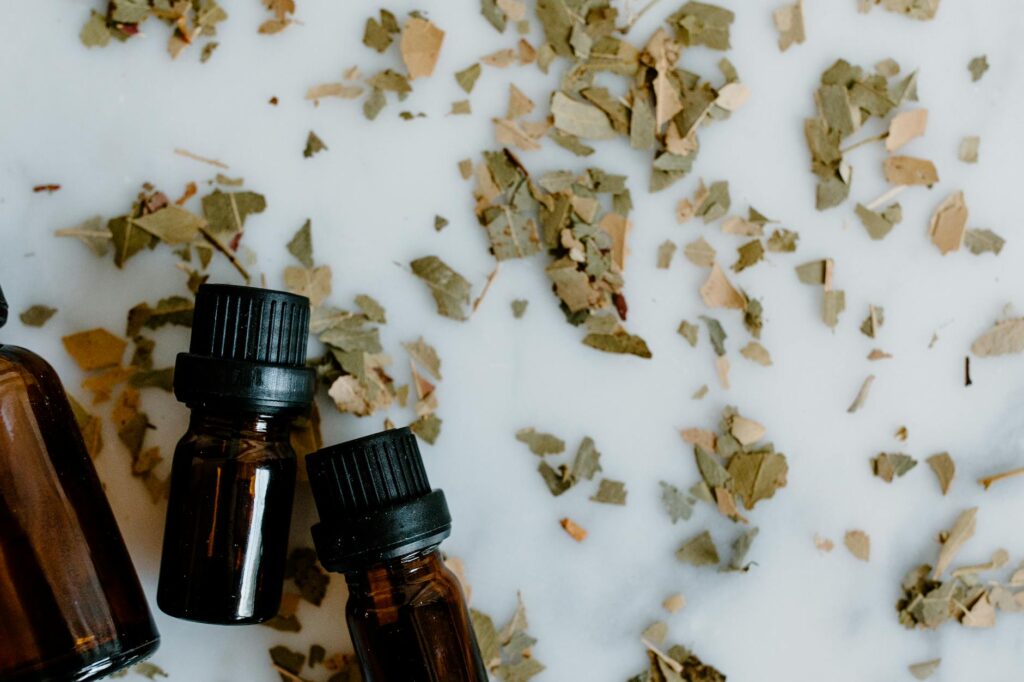
Benefits of Aromatherapy for Burnout Prevention Blends
Introduction
In today’s fast-paced world, the phenomenon of burnout has become increasingly prevalent. Characterized by emotional, mental, and physical exhaustion, burnout often results from prolonged stress in the workplace or daily life. Aromatherapy, the practice of using essential oils from plants for therapeutic benefits, has emerged as a popular approach to support emotional well-being and mitigate the effects of burnout. This article delves into the nature of aromatherapy blends specifically aimed at burnout prevention, exploring their benefits, common uses, and safe application methods.
What Is Aromatherapy for Burnout Prevention Blends?
Aromatherapy for burnout prevention blends involves the use of specific essential oils that are believed to help alleviate feelings of stress and fatigue. These blends are typically composed of various essential oils known for their calming, uplifting, or energizing properties. By inhaling or applying these oils, individuals can potentially enhance their emotional balance, improve mood, and promote relaxation, thereby reducing the risk of burnout.
The essential oils used in these blends can vary widely, and they are often chosen based on individual preferences and desired effects. Common oils include lavender, bergamot, rosemary, and frankincense, each offering unique benefits that contribute to overall well-being.
Key Benefits and Properties
Aromatherapy blends designed for burnout prevention can offer a myriad of benefits, including:
1. Stress Reduction
Many essential oils possess anxiolytic (anxiety-reducing) properties. Oils like lavender and chamomile are well-known for their calming effects, helping to lower cortisol levels and promote a sense of tranquility.
2. Mood Enhancement
Citrus oils such as bergamot and sweet orange are often used for their uplifting qualities. These oils can stimulate the production of serotonin, a neurotransmitter that contributes to feelings of happiness and well-being.
3. Increased Energy and Focus
Essential oils like peppermint and rosemary can invigorate the mind and body, helping to combat feelings of fatigue and enhance concentration. This can be particularly beneficial for those facing mental exhaustion.
4. Improved Sleep Quality
Quality sleep is crucial for preventing burnout. Oils such as lavender and cedarwood can promote relaxation and improve sleep quality, thereby supporting overall health and resilience.
5. Emotional Balance
Certain oils can help stabilize emotions, providing a grounding effect that is essential during stressful times. Frankincense and ylang-ylang are often included in blends for their ability to promote emotional clarity and balance.
Common Uses
Aromatherapy blends for burnout prevention can be utilized in various settings and situations. Here are some common uses:
1. Diffusion
One of the most popular methods of using essential oils is via a diffuser. Adding a few drops of a burnout prevention blend to a diffuser can fill the environment with uplifting aromas, creating a calming atmosphere conducive to relaxation or focus.
2. Inhalation
Inhaling essential oils directly from the bottle or through a personal inhaler can provide immediate relief from stress or fatigue. This method is particularly useful for on-the-go situations.
3. Topical Application
Essential oils can be diluted with carrier oils (like jojoba or coconut oil) and applied to pulse points such as wrists, temples, or the back of the neck. This method allows for the benefits of the oils to be absorbed into the skin while also providing an aromatic experience.
4. Bath Soaks
Adding essential oils to a warm bath can create a spa-like experience that encourages relaxation and stress relief. Blends tailored for burnout prevention can enhance the overall bath experience.
5. Massage
Incorporating aromatherapy into massage can amplify the relaxation benefits. A massage therapist can use specially crafted blends to help clients unwind and release tension.
Aromatherapy Applications
Aromatherapy applications for burnout prevention can be both simple and versatile. Here are some effective ways to incorporate essential oils into daily routines:
1. Morning Rituals
Starting the day with energizing oils like lemon or peppermint can set a positive tone for the day. A quick inhalation or a few drops in a diffuser can awaken the senses and enhance focus.
2. Work Environment
Creating an aromatic workspace can improve productivity and reduce stress. Diffusing calming oils or using a personal inhaler can help maintain emotional balance throughout the workday.
3. Evening Wind-Down
Incorporating calming oils like lavender into the evening routine can signal the body to relax, paving the way for restful sleep. A few drops on a pillow or in a diffuser can be beneficial.
4. Mindfulness Practices
Integrating aromatherapy into mindfulness or meditation practices can deepen relaxation. Using specific blends during these sessions can enhance emotional connectivity and grounding.
Safety Considerations
While aromatherapy is generally considered safe for many individuals, it is essential to observe certain precautions:
1. Dilution
Essential oils are highly concentrated and should be diluted with a carrier oil before topical application to avoid skin irritation. A common dilution ratio is 2-3 drops of essential oil per teaspoon of carrier oil.
2. Allergies and Sensitivities
Individuals should perform a patch test before using a new essential oil to check for allergic reactions. If irritation occurs, discontinue use immediately.
3. Pregnancy and Medical Conditions
Pregnant individuals or those with certain medical conditions should consult with a qualified professional before using essential oils. Some oils may not be safe during pregnancy or could interact with medications.
4. Quality of Oils
Choosing high-quality, pure essential oils is crucial. Look for oils that are labeled as therapeutic grade and free from synthetic additives.
Storage and Shelf Life
Proper storage of essential oils is vital to maintain their potency and effectiveness. Here are some guidelines:
1. Dark Glass Containers
Essential oils should be stored in dark glass containers to protect them from light, which can degrade their quality.
2. Cool, Dry Place
Keep oils in a cool, dry environment, away from direct sunlight, heat sources, and humidity.
3. Shelf Life
The shelf life of essential oils varies depending on the oil type. Citrus oils generally have a shorter shelf life (about 1-2 years), while woody oils can last longer (up to 5-10 years). Always check for changes in scent or consistency before use.
Frequently Asked Questions
1. Can I create my own burnout prevention blend?
Yes, creating your own blends can be a fulfilling and personalized experience. Start by selecting a few essential oils that resonate with you and experiment with different combinations.
2. How often should I use aromatherapy for burnout prevention?
The frequency of use can vary based on individual needs. It is generally safe to incorporate aromatherapy into daily routines, whether through diffusion, inhalation, or topical applications.
3. Are there any essential oils to avoid?
While many essential oils are safe for general use, some may cause irritation or be unsuitable for certain individuals. Always research specific oils or consult a professional if unsure.
4. How do I know which essential oils are best for me?
Choosing essential oils is often a personal journey. Consider your emotional responses to various scents, and explore oils known for their properties associated with stress relief and emotional balance.
5. Can aromatherapy replace professional help for burnout?
While aromatherapy can support emotional well-being, it should not be viewed as a substitute for professional mental health care. If feelings of burnout persist, it is essential to seek guidance from a qualified mental health professional.
Conclusion
Aromatherapy offers a holistic and natural approach to preventing burnout through the use of essential oil blends designed to promote emotional well-being and balance. Understanding the properties, applications, and safety considerations of these oils can empower individuals to incorporate them into their daily routines effectively. As stress and burnout continue to affect many in our modern society, exploring the benefits of aromatherapy can be a valuable tool for enhancing overall health and resilience.