
Benefits of Aromatherapy for Burnout Recovery Blends
Introduction
Burnout has increasingly become a prevalent issue in modern society, affecting individuals across various professions and lifestyles. Characterized by emotional, physical, and mental exhaustion, burnout often results from chronic stress, leading to feelings of disengagement and reduced productivity. As people seek holistic approaches to recovery, aromatherapy has emerged as a popular complementary therapy. This article explores the benefits of aromatherapy for burnout recovery blends, highlighting its key properties, applications, and safety considerations.
What Is Aromatherapy for Burnout Recovery Blends?
Aromatherapy is a therapeutic practice that utilizes essential oils extracted from plants to enhance physical, emotional, and spiritual well-being. Essential oils are concentrated plant extracts that capture the fragrance and beneficial properties of the source material. For burnout recovery, specific blends of essential oils can be crafted to address symptoms such as fatigue, anxiety, and emotional imbalance. These blends aim to promote relaxation, improve mood, and restore a sense of equilibrium.
Key Benefits and Properties
Aromatherapy offers a range of benefits that can be particularly effective in addressing burnout:
1. Stress Reduction
Many essential oils possess anxiolytic properties that help alleviate stress and anxiety. Oils such as lavender, chamomile, and bergamot are renowned for their calming effects, promoting relaxation and reducing feelings of tension.
2. Enhanced Mood
Certain essential oils can elevate mood and combat feelings of hopelessness or irritability. Citrus oils, like sweet orange and lemon, are known for their uplifting properties, making them excellent choices for burnout recovery blends.
3. Improved Sleep Quality
Burnout often leads to sleep disturbances. Oils such as vetiver and cedarwood can help induce relaxation and improve sleep quality, allowing the body to recover from fatigue effectively.
4. Increased Focus and Clarity
Some essential oils, such as rosemary and peppermint, are known to enhance cognitive function and concentration. Incorporating these oils into burnout recovery blends can help individuals regain focus and clarity as they navigate their daily tasks.
5. Emotional Support
Aromatherapy can provide emotional support during challenging times. Essential oils like ylang-ylang and frankincense are believed to promote emotional healing and balance, aiding individuals in processing their feelings.
Common Uses
Aromatherapy blends for burnout recovery can be used in various ways, depending on personal preference and circumstances. Here are some common applications:
1. Diffusion
Using an essential oil diffuser allows the aromatic compounds to disperse into the air, creating a calming atmosphere. This method is particularly effective for stress reduction and mood enhancement.
2. Inhalation
Direct inhalation of essential oils can provide immediate relief. A few drops of oil can be placed on a tissue or in the palms of the hands for quick access to the benefits.
3. Topical Application
Diluting essential oils with a carrier oil (such as jojoba or coconut oil) enables safe application to the skin. This method can promote relaxation and relieve tension in specific areas, such as the neck and shoulders.
4. Bath Soaks
Adding essential oils to bathwater can create a soothing experience that promotes relaxation and stress relief. Oils like lavender or eucalyptus can enhance the calming effects of a warm bath.
5. Massage
Incorporating essential oils into massage therapy can further enhance relaxation and emotional healing. A trained massage therapist can use specific blends to target areas of tension while providing a comforting experience.
Aromatherapy Applications
When creating or selecting blends for burnout recovery, consider the following essential oils known for their beneficial properties:
1. Lavender (Lavandula angustifolia)
Renowned for its calming properties, lavender oil can reduce anxiety, promote relaxation, and improve sleep quality.
2. Bergamot (Citrus bergamia)
This citrus oil is known for its mood-enhancing effects and can help alleviate feelings of stress and tension.
3. Ylang-Ylang (Cananga odorata)
Ylang-ylang is often used for its emotional balancing properties, helping to reduce feelings of frustration and irritability.
4. Frankincense (Boswellia carterii)
Known for its grounding effects, frankincense can aid in emotional healing and promote a sense of peace.
5. Sweet Orange (Citrus sinensis)
Sweet orange oil is uplifting and cheerful, making it a great addition to blends aimed at enhancing mood.
6. Vetiver (Vetiveria zizanoides)
This oil is recognized for its calming and grounding properties, making it beneficial for those experiencing stress and fatigue.
7. Peppermint (Mentha piperita)
Peppermint oil can invigorate the mind and body, enhancing focus and clarity, which can be essential during burnout recovery.
Combining these oils into specific blends tailored to individual needs can enhance their effectiveness in providing relief from burnout symptoms.
Safety Considerations
While aromatherapy can be beneficial, it is important to adhere to safety guidelines:
1. Dilution
Essential oils should be diluted with a carrier oil before applying to the skin to prevent irritation. A general guideline is to use a dilution ratio of 1-2% for topical applications.
2. Quality of Oils
Using high-quality, pure essential oils from reputable sources is crucial. Adulterated or synthetic oils may not provide the desired benefits and could cause adverse reactions.
3. Allergies and Sensitivities
Be aware of any personal allergies or sensitivities. Conduct a patch test before using a new essential oil to determine any potential allergic reactions.
4. Pregnancy and Health Conditions
Certain essential oils may not be suitable for pregnant individuals or those with specific health conditions. Consulting with a qualified aromatherapist or healthcare professional is recommended in such cases.
5. Avoiding Ingestion
Ingesting essential oils without professional guidance can be dangerous. Aromatherapy is typically intended for inhalation or topical use, not ingestion.
Storage and Shelf Life
Proper storage is essential to maintain the efficacy of essential oils. Here are some guidelines:
1. Containers
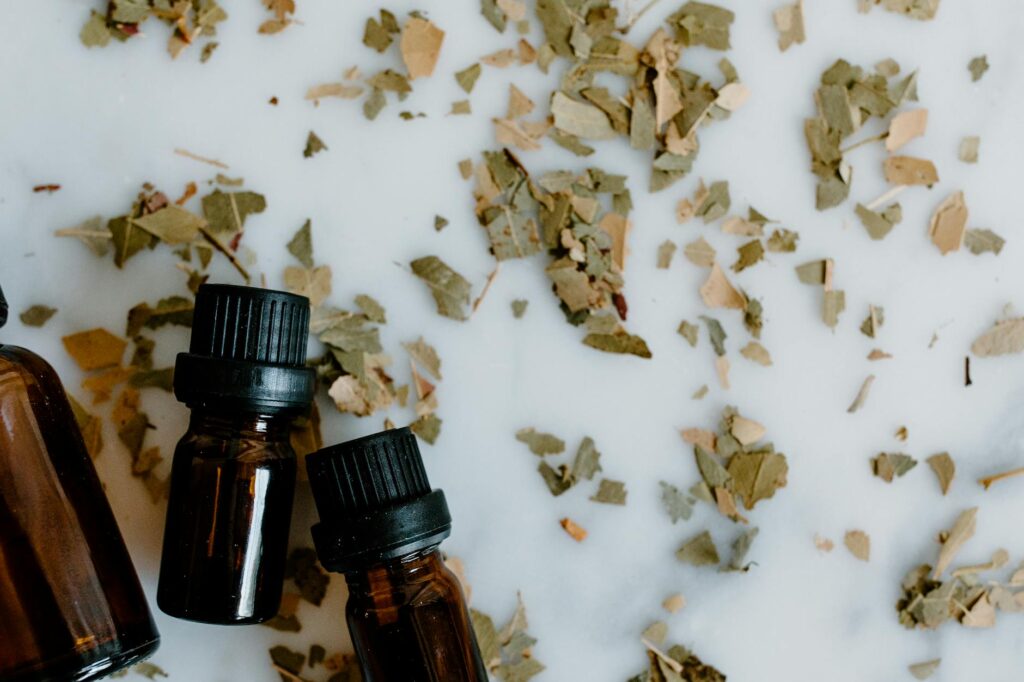
Store essential oils in dark glass bottles to protect them from light and heat, which can degrade their quality over time.
2. Temperature
Keep oils in a cool, dry place away from direct sunlight. Extreme temperatures can affect their potency.
3. Shelf Life
While essential oils can last for several years, their shelf life varies depending on the oil. Citrus oils typically have a shorter shelf life, while oils like sandalwood and patchouli can improve with age. Refer to specific guidelines for each oil to ensure optimal use.
Frequently Asked Questions
1. How quickly can I expect to feel the effects of aromatherapy for burnout recovery?
Effects can vary based on individual sensitivity and the method of application. Inhalation may provide immediate relief, while topical applications might take longer to manifest.
2. Can I create my own blends at home?
Yes, creating your own blends can be a rewarding experience. Start with a few essential oils and experiment with ratios to find a combination that resonates with you.
3. How often can I use aromatherapy for burnout recovery?
Aromatherapy can be used daily. Pay attention to your body’s responses and adjust as needed.
4. Are there any essential oils to avoid for burnout recovery?
While most essential oils are safe when used properly, some may cause irritation or adverse reactions. It is advisable to research each oil and consult with a professional if unsure.
5. Can aromatherapy be used alongside other therapies for burnout?
Yes, aromatherapy can complement other therapeutic approaches, such as counseling, meditation, or physical therapy. Always communicate with your healthcare providers about any additional therapies you are considering.
Conclusion
Aromatherapy presents a holistic approach to managing burnout, offering a range of benefits from stress reduction to emotional support. By understanding the properties of various essential oils and their applications, individuals can create personalized blends that promote recovery and well-being. While aromatherapy is not a substitute for professional medical advice, it can serve as a valuable tool in one’s journey toward balance and rejuvenation.