
Benefits of Aromatherapy for Compassion and Empathy Blends
Introduction
Aromatherapy is an ancient practice that utilizes the aromatic properties of essential oils derived from plants to promote physical, emotional, and mental well-being. Among the diverse applications of aromatherapy, blends specifically formulated to enhance compassion and empathy have gained particular attention. These blends can foster emotional connections, encourage understanding, and create a serene atmosphere conducive to nurturing relationships. This article explores the essential components of compassion and empathy blends, their benefits, applications, and considerations for safe use.
What Is Aromatherapy for Compassion and Empathy Blends?
Aromatherapy for compassion and empathy blends involves the careful selection of essential oils that are believed to promote feelings of connection, understanding, and emotional openness. These blends often include oils known for their calming, uplifting, or heart-centered properties.
Common essential oils used in these blends include:
- Lavender (Lavandula angustifolia): Known for its calming effects, lavender can help reduce anxiety and promote relaxation, making it easier to connect with others.
- Bergamot (Citrus bergamia): This citrus oil is often used for its uplifting effects, helping to alleviate feelings of sadness and fostering a positive emotional state.
- Rose (Rosa damascena): Often associated with love and compassion, rose oil can enhance feelings of empathy and emotional warmth.
- Frankincense (Boswellia sacra): This oil is revered for its grounding properties, promoting a sense of peace and connection with oneself and others.
These essential oils can be blended in various combinations to create unique formulations tailored to individual needs and preferences.
Key Benefits and Properties
The benefits of aromatherapy blends designed for compassion and empathy can be categorized into several key properties:
Emotional Support
Compassion and empathy blends can help individuals navigate complex emotional landscapes. By promoting a sense of calm and emotional balance, these blends can facilitate deeper connections with oneself and others.
Stress Relief
Stress often acts as a barrier to empathy and compassion. Essential oils such as lavender and bergamot can help alleviate stress, making it easier to engage with others in a supportive and understanding manner.
Enhanced Communication
Using compassion and empathy blends in social settings can help create a more open and accepting atmosphere. This encourages active listening and understanding, which are vital for effective communication.
Promotion of Emotional Clarity
Certain essential oils can aid in achieving emotional clarity, allowing individuals to process their feelings and reactions more effectively. This clarity can foster greater understanding and compassion towards oneself and others.
Common Uses
Aromatherapy blends for compassion and empathy can be used in various settings and scenarios, including:
Personal Practice
Individuals may choose to use these blends during meditation, journaling, or self-reflection to cultivate inner compassion and emotional awareness.
Group Settings
In group therapies, workshops, or team-building exercises, compassion and empathy blends can enhance group dynamics, promoting understanding and collaboration.
Home Environment
Incorporating these aromas into the home environment can create a nurturing space where family members feel safe to express emotions and engage in meaningful conversations.
Aromatherapy Applications
There are several methods for applying aromatherapy blends. Here are some popular applications:
Diffusion
Using an essential oil diffuser is one of the most common methods for dispersing essential oils into the air. This method allows for a gentle and continuous release of aromatic compounds, creating a calming atmosphere.
Topical Application
Diluting essential oils in a carrier oil (such as jojoba or sweet almond oil) allows for safe topical application. This method can be particularly effective for localized emotional support, such as applying the blend to pulse points or the heart chakra area.
Inhalation
Simply inhaling the aroma of essential oils directly from the bottle or through a cotton ball can provide immediate emotional benefits. This method is particularly useful in moments of stress or emotional overwhelm.
Bathing
Adding essential oil blends to a warm bath can create a deeply relaxing experience. The combination of heat and aroma can enhance emotional release and promote a sense of connectedness.
Safety Considerations
While aromatherapy is generally considered safe, there are several important safety considerations to keep in mind:
Dilution
Essential oils are highly concentrated and should always be diluted in a carrier oil before topical application. A common dilution ratio is 1-2 drops of essential oil per teaspoon of carrier oil.
Skin Sensitivity
Before applying a new essential oil blend to the skin, conducting a patch test is advisable. This involves applying a small amount of the diluted oil to a discreet area of skin to check for any adverse reactions.
Pregnancy and Medical Conditions
Individuals who are pregnant, nursing, or have pre-existing medical conditions should consult a qualified professional before using essential oils. Some oils may not be suitable during pregnancy or may interact with medications.
Allergies
People with allergies or sensitivities should be cautious when using essential oils. It is advisable to read labels carefully and choose oils that are appropriate for individual needs.
Storage and Shelf Life
Proper storage of essential oils is crucial for maintaining their efficacy and potency. Here are some best practices:
Storage Conditions
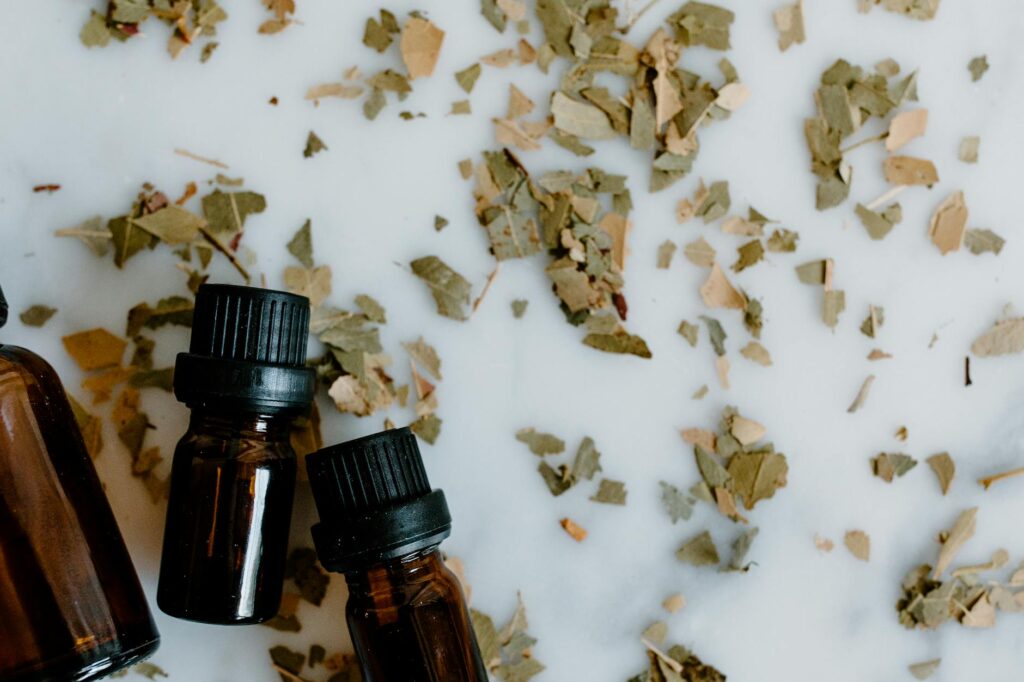
Essential oils should be stored in dark glass bottles away from direct sunlight and heat. A cool, dark cabinet is ideal for preserving their aromatic properties.
Shelf Life
The shelf life of essential oils varies depending on the type. Generally, citrus oils have a shorter shelf life of about 1-2 years, while oils such as sandalwood and patchouli can last for several years if stored properly. It is advisable to check for changes in aroma or consistency as indicators of spoilage.
Frequently Asked Questions
Can anyone use aromatherapy for compassion and empathy blends?
Yes, aromatherapy can be beneficial for many individuals. However, those with specific medical conditions or sensitivities should consult a healthcare professional before use.
How long do the effects of aromatherapy last?
The effects of aromatherapy can vary depending on the method of application and individual sensitivity. Inhalation or diffusion may provide immediate effects, while topical applications may offer longer-lasting benefits.
Are there any essential oils to avoid in compassion and empathy blends?
While many oils can be beneficial, it is essential to avoid oils that may cause irritation or adverse reactions. Always perform a patch test and consult reputable sources for guidance.
Can I create my own compassion and empathy blend?
Absolutely! Creating your own blend allows for personalization based on individual preferences and needs. Start with a few essential oils known for their compassionate and empathetic properties and experiment with different combinations.
Is there scientific evidence supporting the benefits of aromatherapy?
While many anecdotal reports exist regarding the benefits of aromatherapy, scientific research is ongoing. Some studies suggest that certain essential oils may have psychological benefits, but more comprehensive research is needed to establish definitive conclusions.
Conclusion
Aromatherapy for compassion and empathy blends offers a unique approach to enhancing emotional connections and fostering understanding among individuals. By harnessing the aromatic properties of essential oils, these blends can create a nurturing environment that supports emotional well-being. Whether used in personal practice, group settings, or home environments, the benefits of compassion and empathy blends can enrich relationships and promote a deeper understanding of oneself and others. As with any holistic practice, it is essential to approach aromatherapy with mindfulness and an awareness of individual needs and sensitivities.