
Benefits of Aromatherapy for Digestive Health Blends
Introduction
Aromatherapy, the practice of using essential oils extracted from plants for therapeutic purposes, has gained significant attention in recent years for its potential benefits across various aspects of health and well-being. Among these, digestive health is a particularly intriguing area of focus. The gut plays a crucial role in overall health, influencing everything from immune function to mood. This article explores how specific essential oils can be blended to support digestive health, highlighting their properties, applications, and safety considerations.
What Is Aromatherapy for Digestive Health Blends?
Aromatherapy for digestive health blends involves the use of specific essential oils known for their supportive properties on the gastrointestinal system. These blends can help alleviate discomfort, promote healthy digestion, and enhance overall well-being. Commonly used essential oils include peppermint, ginger, fennel, and chamomile, each selected for their unique benefits.
Essential oils are concentrated extracts derived from plants, capturing the essence of their fragrance and therapeutic properties. When used correctly, these oils can be inhaled, applied topically, or incorporated into soothing baths.
Key Benefits and Properties
The benefits of aromatherapy blends for digestive health can be attributed to the unique properties of each essential oil. Here are some key benefits:
1. Promotes Digestion
Certain essential oils stimulate digestive enzymes and improve the digestive process. For example, ginger oil is known for its ability to enhance gastric motility and reduce nausea.
2. Relieves Bloating and Gas
Essential oils such as fennel and peppermint can help alleviate bloating and gas by relaxing the muscles of the gastrointestinal tract, promoting expulsion of gas and reducing discomfort.
3. Reduces Nausea
Peppermint and ginger essential oils are popular choices for reducing feelings of nausea. Their calming effects can help soothe the stomach and ease discomfort.
4. Eases Stress and Anxiety
Emotional well-being is closely linked to digestive health. Essential oils like chamomile and lavender can help reduce stress and anxiety, which in turn can alleviate digestive issues exacerbated by emotional factors.
5. Anti-inflammatory Properties
Many essential oils possess anti-inflammatory properties that can benefit the digestive system. For instance, chamomile oil is renowned for its soothing effects on the gastrointestinal tract.
Common Uses
Aromatherapy blends for digestive health can be utilized in various ways, each suited to individual preferences and circumstances:
1. Inhalation
Inhaling essential oils can provide immediate relief from nausea or discomfort. This can be done using a diffuser, or by adding a few drops of essential oil to a bowl of hot water and inhaling the steam.
2. Topical Application
Diluting essential oils with a carrier oil (such as coconut or jojoba oil) and applying them to the abdomen can help target specific digestive issues. A gentle massage can further enhance the effects.
3. Baths
Adding a few drops of essential oils to a warm bath can create a soothing environment conducive to relaxation and digestion. This approach also allows for the absorption of the oils through the skin.
4. Aromatic Sprays
Creating a room spray with diluted essential oils can provide an aromatic environment that promotes a sense of calm and well-being.
Aromatherapy Applications
When creating blends for digestive health, consider the following popular essential oils:
1. Peppermint (Mentha piperita)
Known for its cooling effect, peppermint oil is often used to relieve gas, bloating, and indigestion. Its menthol component can soothe the stomach lining and promote the flow of bile.
2. Ginger (Zingiber officinale)
Ginger oil is not only effective against nausea but also aids in digestion. It helps stimulate saliva, bile, and gastric enzymes, thus enhancing the body’s digestive processes.
3. Fennel (Foeniculum vulgare)
Fennel oil is known for its ability to relieve bloating and gas. Its antispasmodic properties can help relax the digestive tract, making it beneficial for those with digestive discomfort.
4. Chamomile (Matricaria chamomilla)
Chamomile oil is renowned for its calming effects. It can help reduce inflammation in the digestive tract and is particularly beneficial for those suffering from irritable bowel syndrome (IBS).
5. Orange (Citrus sinensis)
Sweet orange oil is uplifting and can help alleviate stress and anxiety, which are often linked to digestive problems. Its citrus scent can also stimulate digestive juices.
Sample Blend
A simple blend for digestive support could include:
- 2 drops peppermint oil
- 2 drops ginger oil
- 2 drops fennel oil
- 1 tablespoon carrier oil (for topical application)
Mix the oils and apply to the abdomen in a gentle circular motion.
Safety Considerations
While essential oils are generally safe when used properly, it is essential to follow certain guidelines:
1. Dilution
Always dilute essential oils with a carrier oil before applying them to the skin. A typical dilution is 2-3 drops of essential oil per teaspoon of carrier oil.
2. Patch Test
Before using a new essential oil, conduct a patch test by applying a small amount to the skin to check for any allergic reactions.
3. Consultation
Individuals with specific health conditions, pregnant or nursing women, and children should consult a qualified healthcare professional before using essential oils.
4. Quality of Oils
Choose high-quality, pure essential oils from reputable sources. Adulterated or synthetic oils may not provide the desired benefits and can sometimes cause adverse reactions.
Storage and Shelf Life
Proper storage of essential oils is crucial for maintaining their potency. Here are some tips:
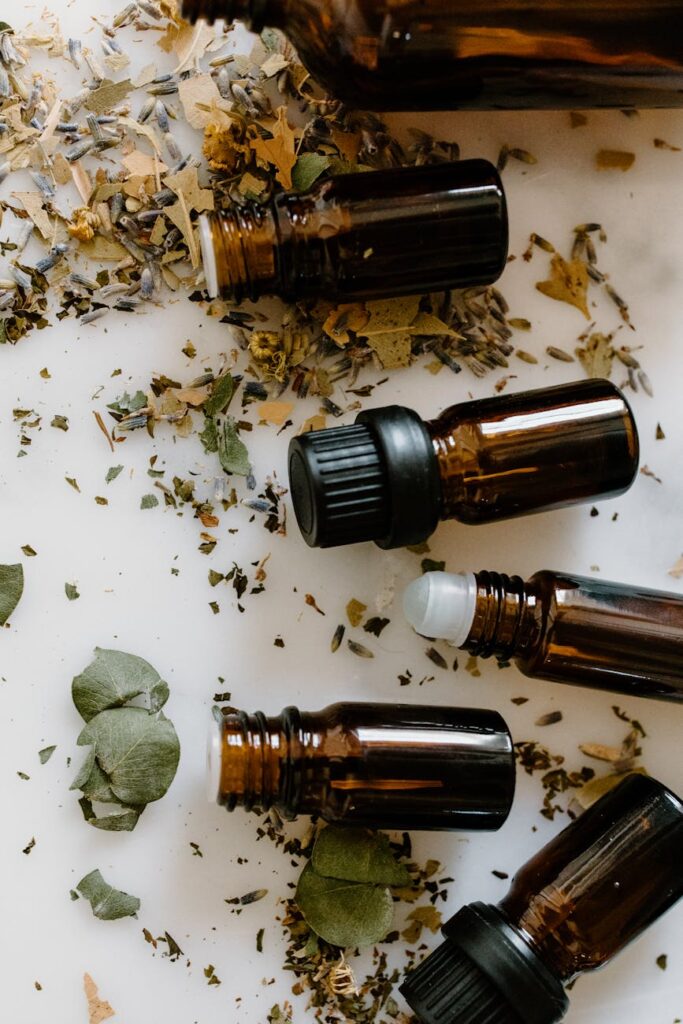
1. Dark Glass Containers
Store essential oils in dark glass bottles to protect them from light, which can degrade their quality.
2. Cool, Dry Place
Keep oils in a cool, dry location, away from direct sunlight and heat sources.
3. Shelf Life
Most essential oils have a shelf life of 1-3 years, depending on the type. Citrus oils typically have a shorter shelf life, while oils like sandalwood can last longer.
Frequently Asked Questions
1. Can aromatherapy completely cure digestive issues?
Aromatherapy can be a helpful complementary approach to supporting digestive health, but it is not a replacement for medical treatment. Always consult a healthcare professional for serious digestive issues.
2. How often can I use digestive health blends?
The frequency of use will depend on individual needs and preferences. Many people find relief with occasional use, while others may benefit from regular applications.
3. Are there any side effects associated with using essential oils?
While essential oils are generally safe, some individuals may experience allergic reactions or skin irritations. Always conduct patch tests and consult a healthcare provider for any concerns.
4. Can children use these blends?
Certain essential oils are safe for children, but it is crucial to consult a healthcare professional regarding appropriate oils and dilutions.
5. Will aromatherapy help with stress-related digestive issues?
Yes, many essential oils have calming effects that can help reduce stress and anxiety, which often contribute to digestive problems.
Conclusion
Aromatherapy offers a natural and holistic approach to supporting digestive health. By utilizing essential oils known for their beneficial properties, individuals can create blends that promote comfort, relaxation, and overall well-being. While aromatherapy is not a substitute for medical treatment, it can serve as a valuable complementary practice in the pursuit of digestive health. Always remember to use high-quality oils, follow proper safety guidelines, and consult a professional when needed.