
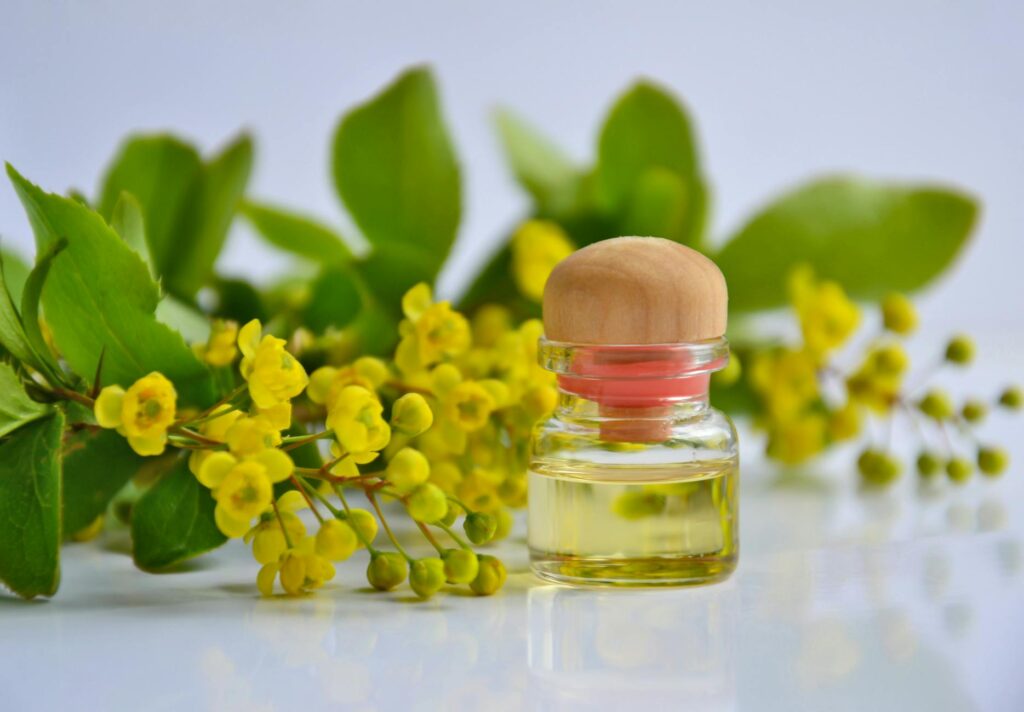
Benefits of Aromatherapy for Immune System Support Blends
Introduction
Aromatherapy is an ancient practice that harnesses the natural properties of essential oils to enhance physical, emotional, and spiritual well-being. Among its many applications, supporting the immune system is a growing area of interest. This article delves into the benefits of aromatherapy specifically geared toward immune system support, exploring essential oils, their properties, common uses, and safety considerations.
What Is Aromatherapy for Immune System Support Blends?
Aromatherapy involves the use of volatile plant compounds, known as essential oils, to promote health and well-being. Immune system support blends consist of carefully selected essential oils that are thought to enhance the body’s natural defenses against illness and infection. These blends often include oils known for their antimicrobial, antiviral, or anti-inflammatory properties. The inhalation or topical application of these oils is believed to stimulate the immune system, enhance mood, and promote relaxation.
Key Benefits and Properties
Antimicrobial Action
Many essential oils possess antimicrobial properties, making them useful in supporting the immune system. Oils such as tea tree, eucalyptus, and thyme are known for their ability to combat bacteria, viruses, and fungi. By reducing the microbial load, these oils may aid in preventing infections.
Anti-Inflammatory Effects
Inflammation is a natural response of the immune system, but chronic inflammation can lead to various health issues. Essential oils like lavender, rosemary, and frankincense are recognized for their anti-inflammatory properties. Incorporating these oils into immune support blends may help mitigate excessive inflammation.
Stress Reduction
Stress can weaken the immune system, making it more susceptible to illness. Aromatherapy is well-regarded for its ability to promote relaxation and reduce stress levels. Essential oils such as bergamot and chamomile can enhance emotional balance, helping to support overall immune health.
Enhanced Respiratory Function
Certain essential oils, such as peppermint and eucalyptus, are known to support respiratory function. They can help clear airways and facilitate easier breathing, thereby supporting the body’s natural defense mechanisms.
Common Uses
Diffusion
One of the most popular methods of using essential oils for immune support is through diffusion. Using a diffuser, individuals can disperse essential oils into the air, allowing for inhalation. This method not only fills the space with pleasant aromas but also promotes respiratory health and relaxation.
Topical Application
Essential oils can also be applied topically, usually diluted with a carrier oil such as coconut or jojoba oil. This method allows the oils to penetrate the skin and enter the bloodstream, providing localized benefits. Popular areas for application include pulse points, the chest, and the soles of the feet.
Bath Soaks
Adding essential oils to a warm bath can create a soothing and therapeutic experience. Oils like lavender or eucalyptus can promote relaxation and support immune function. It’s advisable to mix the oils with an emulsifying agent, such as milk or honey, to help disperse them in water.
Inhalation
Direct inhalation of essential oils is another effective method. Placing a few drops of oil on a tissue or cotton ball and inhaling deeply can provide immediate benefits, especially for respiratory support.
Aromatherapy Applications
Blending Essential Oils
Creating an effective immune system support blend often involves mixing complementary oils. Here are a few popular combinations:
- Immune Booster Blend: Lemon, tea tree, and eucalyptus.
- Respiratory Support Blend: Peppermint, lavender, and thyme.
- Stress Relief Blend: Bergamot, chamomile, and frankincense.
- Dilution: Essential oils are highly concentrated and should often be diluted before topical application. A standard dilution ratio is 2-3 drops of essential oil per teaspoon of carrier oil.
- Allergies: Conduct a patch test before using a new essential oil to check for allergic reactions. Apply a small amount of the diluted oil on the inner wrist and wait 24 hours.
- Pregnancy and Nursing: Pregnant and nursing individuals should consult a healthcare provider before using essential oils, as some may not be safe during these periods.
- Children and Pets: Certain essential oils can be harmful to children and pets. It is advisable to research specific oils before use in environments with children or animals.
- Dark Glass Containers: Store essential oils in dark glass bottles to protect them from light, which can degrade their quality.
- Cool, Dry Place: Keep oils in a cool, dry location away from direct sunlight and heat sources.
- Shelf Life: Most essential oils have a shelf life of 1 to 3 years, while citrus oils may have a shorter lifespan. Always check for any changes in smell, color, or consistency, which may indicate spoilage.
When blending oils, it’s essential to consider their individual properties and how they can work synergistically.
Environmental Purification
In addition to personal use, essential oils can be employed to purify the air in living spaces. Oils with antibacterial properties can help reduce airborne pathogens, making the environment more conducive to health.
Seasonal Support
During colder months or allergy seasons, certain blends may be particularly beneficial. For example, a mix of peppermint, eucalyptus, and lemon can be uplifting and may help to clear nasal passages, enhancing overall comfort.
Safety Considerations
While essential oils are generally safe when used properly, there are some important safety considerations:
Storage and Shelf Life
Proper storage of essential oils is crucial to maintaining their potency and effectiveness. Here are some tips:
Frequently Asked Questions
Can aromatherapy replace traditional medicine?
Aromatherapy should not be seen as a replacement for traditional medical treatments. Instead, it can be viewed as a supportive practice to complement overall health and well-being.
How do I choose the right essential oils for immune support?
Selecting the right essential oils involves considering your personal preferences, any specific health concerns, and the properties of the oils. Researching individual oils and their benefits can help inform your choices.
Are there any contraindications for using essential oils?
Certain essential oils may interact with medications or have contraindications for specific health conditions. It is essential to consult a knowledgeable practitioner or healthcare provider for guidance if you have existing health issues or are taking medications.
How often can I use essential oils for immune support?
The frequency of use will depend on individual preferences and reactions. Some people may choose to use oils daily, while others may use them as needed. Pay attention to your body’s responses and adjust accordingly.
Conclusion
Aromatherapy offers a holistic approach to supporting the immune system through the use of essential oils. By understanding the properties and benefits of various oils, individuals can create effective blends tailored to their needs. While aromatherapy should not be used as a substitute for conventional medical care, it can serve as a valuable tool in promoting overall health and well-being.