
Benefits of Aromatherapy for Intention Setting Blends
Introduction
Aromatherapy, an ancient practice that employs the aromatic properties of essential oils, has gained significant popularity in contemporary wellness routines. Among its many applications, intention setting blends stand out as powerful tools for personal growth and emotional well-being. These blends can enhance focus, promote mindfulness, and support the manifestation of one’s goals. This article delves into the benefits of aromatherapy specifically for intention setting, exploring its properties, common uses, applications, and essential safety considerations.
What Is Aromatherapy for Intention Setting Blends?
Aromatherapy involves the use of essential oils extracted from various plants, including flowers, leaves, stems, and roots. These oils are believed to possess unique therapeutic properties that can influence mood, emotions, and overall well-being. Intention setting, on the other hand, is a practice rooted in mindfulness that involves clearly defining personal goals and aspirations.
When combined, aromatherapy and intention setting create a synergistic relationship. Essential oils can serve as sensory anchors that enhance focus and clarity, helping individuals align their actions with their intentions. Intention setting blends are typically formulated with specific oils chosen for their energetic properties, enabling users to tap into their desired state of mind.
Key Benefits and Properties
Aromatherapy for intention setting offers numerous benefits, each linked to the properties of specific essential oils. Below are some of the key advantages:
1. Enhances Focus and Clarity
Certain essential oils, such as rosemary and peppermint, are known for their invigorating properties. They can stimulate mental clarity and enhance focus, making it easier to concentrate on one’s intentions.
2. Promotes Emotional Balance
Essential oils like lavender and bergamot are celebrated for their calming effects. They can help alleviate feelings of anxiety and stress, creating a more conducive environment for setting and pursuing intentions.
3. Boosts Motivation
Citrus oils, including lemon and orange, are often associated with uplifting and energizing properties. These oils can invigorate the spirit and boost motivation, encouraging individuals to take action toward their goals.
4. Fosters Mindfulness
Incorporating aromatherapy into intention setting can enhance mindfulness. The act of inhaling specific scents can ground individuals in the present moment, allowing them to connect deeply with their intentions.
5. Supports Visualization
Certain scents can evoke vivid imagery and emotions, aiding in the visualization process. Essential oils like frankincense can deepen meditative states, promoting clearer visualizations of one’s goals.
Common Uses
Aromatherapy blends for intention setting can be utilized in various contexts:
1. Meditation
Incorporating essential oils into meditation practices can create a serene atmosphere, allowing individuals to focus entirely on their intentions. Diffusing calming oils or applying them topically can enhance the meditative experience.
2. Journaling
Using aromatherapy during journaling can elevate the practice, making it more immersive. Scented oils can help individuals connect emotionally with their writing, reinforcing their intentions.
3. Goal-Setting Sessions
Creating a dedicated space for goal-setting can be enhanced with intention setting blends. Diffusing specific oils during brainstorming sessions can stimulate creativity and motivation.
4. Daily Rituals
Incorporating essential oils into daily routines—such as morning rituals or evening wind-downs—can reinforce one’s intentions over time, promoting consistency and mindfulness in everyday life.
Aromatherapy Applications
There are several methods to apply aromatherapy for intention setting, including:
1. Diffusion
Using an essential oil diffuser to disperse aromatic molecules into the air is one of the most effective methods. This technique allows users to fill a room with specific scents, creating an inviting space for intention setting.
2. Topical Application
Diluting essential oils with a carrier oil and applying them to pulse points or areas associated with tension can enhance the experience. Common application sites include the wrists, temples, and the back of the neck.
3. Inhalation
Simply inhaling essential oils directly from the bottle or from a cotton ball can be an effective method for quick emotional support and focus. This method is particularly useful during moments of stress or distraction.
4. Bathing
Adding essential oils to bathwater can create a soothing atmosphere for reflection and intention setting. This method combines the benefits of aromatherapy with the calming effects of warm water.
5. Room Sprays
Creating room sprays by blending essential oils with water and a dispersant can provide a quick way to refresh any space. Spraying the blend in a designated area can signal a time for intention setting.
Safety Considerations
While aromatherapy is generally considered safe, it is essential to observe safety precautions when using essential oils:
1. Dilution
Most essential oils should be diluted with a carrier oil before topical application to prevent skin irritation. A typical dilution ratio is 2-3 drops of essential oil per teaspoon of carrier oil.
2. Allergies and Sensitivities
Before trying a new essential oil, it is advisable to conduct a patch test to check for allergic reactions. Individuals with sensitivities should proceed with caution.
3. Pregnancy and Health Conditions
Certain essential oils are contraindicated for pregnant individuals or those with specific health conditions. It is advisable to consult with a qualified aromatherapist or healthcare provider if uncertain.
4. Quality of Oils
To ensure safety and efficacy, choose high-quality, pure essential oils from reputable sources. Poor-quality oils may contain synthetic additives or contaminants.
Storage and Shelf Life
Proper storage of essential oils is crucial for preserving their potency and effectiveness. Here are some guidelines:
1. Dark Glass Containers
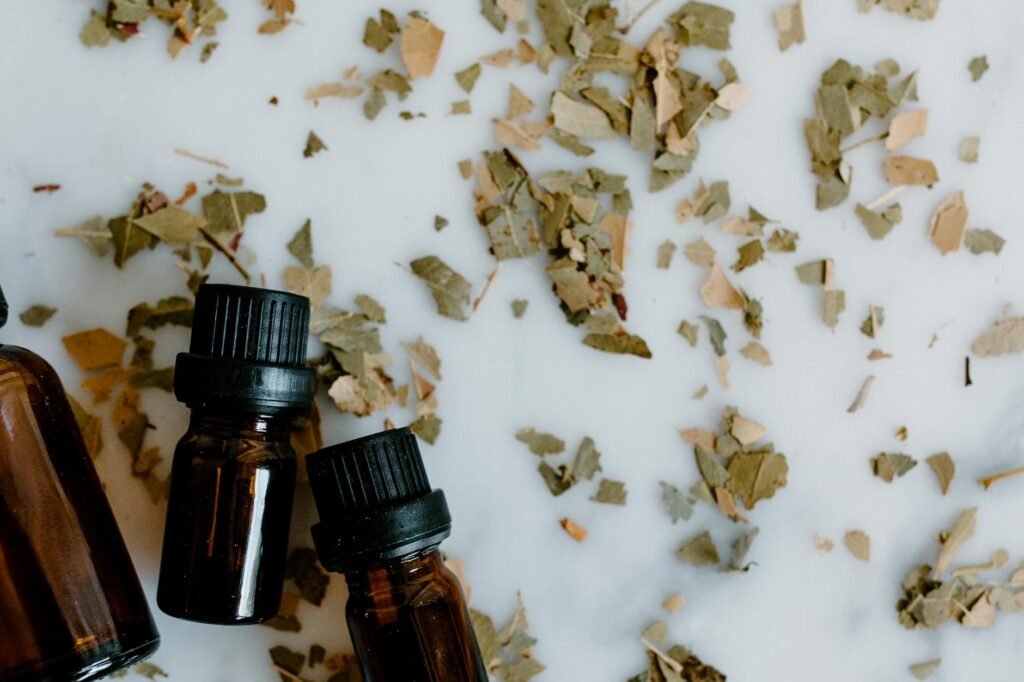
Store essential oils in dark glass containers to protect them from light, which can degrade their quality. Amber or cobalt blue bottles are ideal for this purpose.
2. Cool, Dry Place
Keep oils in a cool, dry place away from direct sunlight and heat sources. A cupboard or drawer is often suitable.
3. Shelf Life
The shelf life of essential oils varies depending on the type. Citrus oils tend to have a shorter shelf life (1-2 years), while oils like sandalwood or patchouli can last much longer (up to 10 years or more). Regularly check oils for changes in scent or consistency.
Frequently Asked Questions
1. Can I create my own intention setting blend?
Yes, many individuals enjoy creating their own blends. Experiment with different essential oils to find combinations that resonate with your intentions.
2. How often should I use aromatherapy for intention setting?
Frequency can vary based on personal preference. Some individuals may use it daily, while others might incorporate it during specific rituals or goal-setting sessions.
3. Are there specific oils for different intentions?
Certain oils are often associated with particular intentions. For example, lavender is commonly used for relaxation, while peppermint might be chosen for motivation.
4. Can I use essential oils in a sauna or steam room?
Using essential oils in a sauna or steam room can enhance the experience, but be cautious. Use only a few drops, as the heat can intensify the aroma.
5. How can I incorporate aromatherapy into my workspace?
Diffusing essential oils or using a personal inhaler can create a pleasant work environment, helping to maintain focus and productivity.
Conclusion
Aromatherapy for intention setting blends offers a unique and enriching approach to personal growth and emotional well-being. By harnessing the power of essential oils, individuals can enhance their focus, emotional balance, and motivation toward achieving their goals. With the right knowledge and safety considerations, anyone can incorporate these aromatic practices into their daily lives, fostering mindfulness and intention in every moment.