
Benefits of Aromatherapy for Meditation and Mindfulness Blends
Introduction
In a world where the pace of life is rapidly increasing and stress levels are at an all-time high, the need for effective relaxation techniques has never been more pronounced. Aromatherapy, an ancient practice that utilizes essential oils derived from plants, has gained significant popularity as a tool for enhancing meditation and mindfulness. This article delves into the benefits of aromatherapy specifically tailored for meditation and mindfulness blends, exploring its properties, applications, and practical considerations.
What Is Aromatherapy for Meditation and Mindfulness Blends?
Aromatherapy involves the use of essential oils—highly concentrated plant extracts that capture the aromatic and therapeutic properties of the plants from which they are derived. When used in the context of meditation and mindfulness, these oils can enhance the experience by promoting relaxation, focus, and emotional balance. The practice of combining essential oils with meditation techniques aims to create a harmonious environment that fosters deeper states of awareness and tranquility.
Meditation encourages individuals to focus their minds and cultivate a sense of inner peace, while mindfulness promotes living in the present moment. Aromatherapy can support these practices by providing sensory stimuli that evoke feelings of calmness and clarity, making the overall experience more profound.
Key Benefits and Properties
1. Stress Reduction
Essential oils such as lavender, bergamot, and frankincense are well-known for their calming effects. These oils can help lower cortisol levels, the hormone associated with stress, thereby providing a more serene environment conducive to meditation.
2. Enhanced Concentration
Certain oils, including rosemary and peppermint, are believed to stimulate mental clarity and focus. Incorporating these oils into meditation practices can enhance concentration, allowing practitioners to engage more deeply with their thoughts and feelings.
3. Emotional Balance
Aromatherapy can aid in emotional regulation. Oils like chamomile and ylang-ylang are said to promote feelings of happiness and contentment, which can be beneficial in grounding oneself during meditation and mindfulness practices.
4. Improved Sleep Quality
For those who practice meditation before bedtime, using essential oils such as cedarwood and sandalwood may help improve sleep quality. A peaceful sleep is essential for overall well-being and can enhance the effects of meditation over time.
5. Enhanced Immune Function
While not a substitute for medical treatment, some essential oils possess properties that may support the immune system. Oils such as tea tree and eucalyptus can create a refreshing atmosphere that may help practitioners feel more energized and invigorated.
Common Uses
1. Diffusion
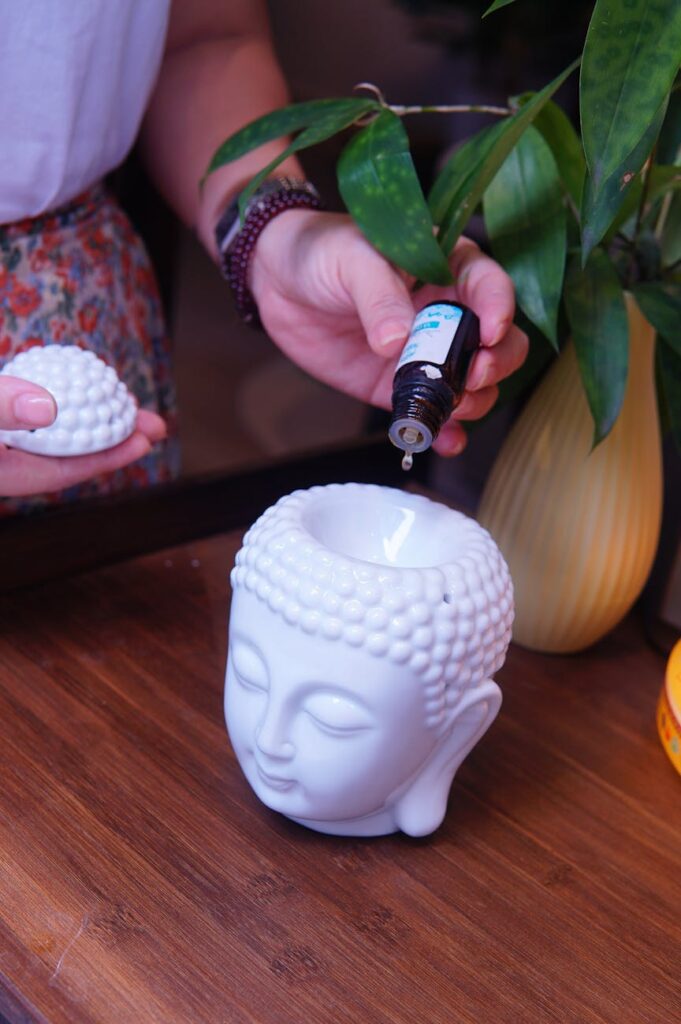
One of the most popular methods of using essential oils for meditation is through diffusion. A diffuser disperses tiny droplets of essential oils into the air, filling the space with their aromatic properties. This method allows for a gentle and consistent release of the oils, creating an inviting atmosphere.
2. Topical Application
Essential oils can be applied topically when diluted with a carrier oil. This method allows the oils to penetrate the skin and interact with the body’s systems. Common areas for application include pulse points, such as the wrists and temples, which can enhance the experience during meditation.
3. Bathing
Incorporating essential oils into a warm bath can create a serene environment perfect for mindfulness practices. The steam from the hot water helps release the oils into the air, while the warm water relaxes the body and mind.
4. Inhalation
Direct inhalation of essential oils—simply by placing a few drops on a tissue or in the palms of the hands and breathing deeply—can provide immediate effects. This method is particularly useful for quick relaxation or focus boosts before meditation.
Aromatherapy Applications
Popular Essential Oils for Meditation and Mindfulness
1. Lavender: Known for its calming and soothing properties, lavender is often used to reduce anxiety and promote relaxation.
2. Frankincense: Revered for its grounding effects, frankincense can facilitate deeper meditation and enhance spiritual connections.
3. Sandalwood: This oil is often used in spiritual practices due to its ability to promote tranquility and enhance focus.
4. Bergamot: With its uplifting aroma, bergamot can help alleviate feelings of stress and encourage a positive mood.
5. Cedarwood: Frequently used for its calming and grounding effects, cedarwood can help create a peaceful meditation environment.
Blending Essential Oils
Creating your own meditation blend can be a rewarding experience. A simple recipe might include:
- 4 drops of lavender
- 3 drops of frankincense
- 2 drops of sandalwood
- Dilution: Always dilute essential oils with a carrier oil before applying them to the skin to avoid irritation.
- Allergies: Conduct a patch test to ensure you do not have an allergic reaction to a new oil.
- Pregnancy: Consult a healthcare professional before using essential oils during pregnancy.
- Children and Pets: Some essential oils are not suitable for young children and pets. Research specific oils to ensure their safety.
- Dark Glass Bottles: Store oils in dark glass bottles to protect them from light degradation.
- Cool, Dry Place: Keep oils in a cool, dry place, away from heat sources and direct sunlight.
- Shelf Life: Most essential oils have a shelf life of 1 to 3 years, depending on the oil. Citrus oils tend to have a shorter shelf life, while oils like sandalwood can last longer.
Combine these oils in a diffuser or dilute them in a carrier oil for topical use. Experimenting with different combinations can lead to discovering personal favorites that resonate with your meditation practice.
Safety Considerations
While aromatherapy is generally safe, certain precautions should be taken:
Storage and Shelf Life
Proper storage is crucial for maintaining the integrity of essential oils. Here are some tips:
Frequently Asked Questions
1. Can I use essential oils if I have allergies?
If you have allergies, it is crucial to do thorough research on the specific oils you plan to use. Always perform a patch test before full application and consult a healthcare professional if necessary.
2. Are there any essential oils I should avoid for meditation?
Some stimulating oils, such as eucalyptus and rosemary, may be too invigorating for meditation purposes. It’s best to choose calming oils to support relaxation.
3. How can I create a calming atmosphere for meditation using aromatherapy?
You can create a calming environment by dimming the lights, using soft music, and diffusing essential oils known for their relaxing properties. Additionally, ensure the space is clean and free of distractions.
4. Can I combine aromatherapy with other relaxation techniques?
Absolutely! Aromatherapy can complement various relaxation techniques, including yoga, deep breathing, and guided meditation, enhancing the overall experience.
Conclusion
Aromatherapy offers a rich tapestry of benefits for those seeking to enhance their meditation and mindfulness practices. By understanding the properties of various essential oils and how to apply them safely, practitioners can create a serene atmosphere that fosters relaxation, focus, and emotional balance. As you explore the world of aromatherapy, remember to listen to your body and find the combinations that resonate with your unique journey toward mindfulness and self-discovery.