
Benefits of Aromatherapy for Meditation Enhancement Blends
Introduction
Aromatherapy is an ancient practice that harnesses the power of essential oils derived from plants to promote physical, psychological, and emotional well-being. When integrated into meditation, aromatherapy can enhance the meditative experience, fostering a deeper connection to self and the present moment. Using specific essential oils, individuals can create blends that support relaxation, focus, and emotional balance, enriching their meditation practice. This article delves into the benefits of using aromatherapy for meditation enhancement blends, exploring the properties of various essential oils, their applications, and safety considerations.
What Is Aromatherapy for Meditation Enhancement Blends?
Aromatherapy for meditation enhancement blends involves the strategic use of essential oils to support and deepen meditation practices. Essential oils are concentrated extracts from various parts of plants, including leaves, flowers, stems, and roots. When diffused, inhaled, or applied topically, these oils release aromatic compounds that can influence mood, cognition, and overall well-being.
In the context of meditation, certain essential oils can promote specific states of mind—such as relaxation, alertness, or emotional grounding—making them valuable tools for practitioners seeking to enhance their meditative experiences. By understanding the unique properties of different oils, individuals can create tailored blends that resonate with their needs and intentions during meditation.
Key Benefits and Properties
The benefits of incorporating aromatherapy into meditation practices are numerous and often interrelated. Here are some key advantages:
1. Enhanced Relaxation
Many essential oils, such as lavender and chamomile, are renowned for their calming properties. They can help reduce anxiety and stress, allowing practitioners to enter a relaxed state more easily. The soothing aromas promote a sense of peace, creating an ideal environment for meditation.
2. Improved Focus and Clarity
Certain oils, like peppermint and rosemary, are associated with mental clarity and focus. By stimulating the senses, these oils can help clear the mind of distractions, allowing for deeper concentration during meditation sessions.
3. Emotional Balance
Essential oils can evoke emotional responses and foster a sense of tranquility. Oils such as bergamot and ylang-ylang may help alleviate feelings of sadness or tension, promoting emotional stability. This balance is crucial for a productive meditation practice.
4. Deepened Spiritual Connection
For many, meditation is a spiritual practice. Essential oils like frankincense and sandalwood have been used in spiritual rituals for centuries. Their rich, grounding scents can help deepen the spiritual experience, facilitating a stronger connection to the self and the universe.
5. Physical Comfort
Some essential oils, such as ginger or eucalyptus, may offer physical comfort, alleviating tension in the body. This can be particularly beneficial for those who find physical discomfort distracting during meditation.
Common Uses
Aromatherapy blends for meditation can be used in various ways, depending on personal preference and the desired effects. Common uses include:
1. Diffusion
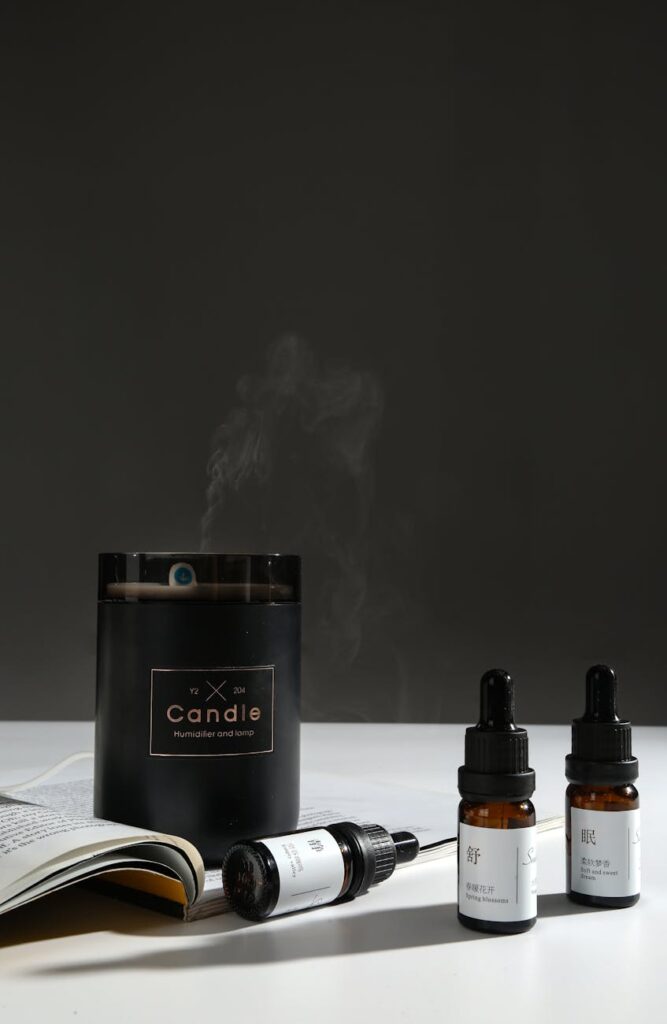
Using an essential oil diffuser is one of the most popular methods for aromatherapy. The diffuser disperses the aromatic compounds into the air, creating a fragrant environment that enhances the meditative atmosphere.
2. Topical Application
Diluting essential oils in a carrier oil and applying them to pulse points (such as wrists or temples) can provide a more personalized experience. This method allows for the therapeutic benefits of the oils to be absorbed through the skin while also being inhaled.
3. Bathing
Adding essential oils to a warm bath can create a serene environment for meditation. The combination of warm water and aromatic oils can promote relaxation and enhance the overall experience.
4. Inhalation
Inhaling essential oils directly from the bottle or using an inhaler can provide immediate benefits. This method is particularly effective for oils that promote focus and clarity.
Aromatherapy Applications
Selecting the right blend of essential oils for meditation is essential for maximizing the benefits. Here are some popular essential oils and their applications:
1. Lavender (Lavandula angustifolia)
- Properties: Calming, relaxing, and balancing.
- Application: Use in diffusion or add to a carrier oil for topical application. Ideal for promoting relaxation and easing anxiety.
- Properties: Grounding, centering, and spiritually uplifting.
- Application: Excellent for deepening meditation and enhancing spiritual practices. Use in a diffuser or apply to pulse points.
- Properties: Invigorating, clarifying, and energizing.
- Application: Useful for enhancing focus and mental clarity. Diffuse during meditation or inhale directly for a quick boost.
- Properties: Uplifting, mood-enhancing, and calming.
- Application: Ideal for emotional balance. Diffuse or apply to the heart center to promote peace and joy.
- Properties: Soothing, calming, and comforting.
- Application: Perfect for those who struggle with anxiety. Use in baths or as a topical application for relaxation.
- Properties: Grounding, calming, and spiritually enhancing.
- Application: Frequently used in spiritual practices. Diffuse or apply to enhance the meditative state.
- Storage: Keep essential oils in dark glass bottles to protect them from light and heat. Store in a cool, dark place away from direct sunlight.
- Shelf Life: The shelf life of essential oils varies by type. Citrus oils typically last about 1-2 years, while woody and resinous oils can last 5 years or more. Regularly check for changes in scent or consistency.
2. Frankincense (Boswellia serrata)
3. Peppermint (Mentha piperita)
4. Bergamot (Citrus bergamia)
5. Chamomile (Matricaria chamomilla)
6. Sandalwood (Santalum album)
Safety Considerations
While aromatherapy can be a beneficial addition to meditation practices, it is essential to consider safety guidelines to avoid adverse reactions:
1. Dilution
Essential oils are highly concentrated and should be diluted with a carrier oil, such as coconut or jojoba oil, before topical application. A common dilution ratio is 2-3 drops of essential oil per teaspoon of carrier oil.
2. Allergies and Sensitivities
Individuals should perform a patch test before using a new essential oil to check for allergic reactions. If irritation occurs, discontinue use immediately.
3. Quality of Essential Oils
Opt for high-quality, pure essential oils from reputable sources. Synthetic or adulterated oils may not yield the expected benefits and could potentially cause harm.
4. Pregnancy and Health Conditions
Pregnant individuals and those with certain health conditions should consult a qualified healthcare professional before using essential oils.
Storage and Shelf Life
Proper storage is essential for maintaining the quality and efficacy of essential oils. Here are some tips:
Frequently Asked Questions
1. Can I use any essential oil for meditation?
While many essential oils can be beneficial, specific oils are known for their calming, grounding, or clarifying properties, making them more suitable for meditation.
2. How do I create a meditation blend?
Start with a base oil, such as lavender, and add 2-3 complementary oils, such as frankincense and bergamot. Experiment with ratios to find a blend that resonates with you.
3. How long should I diffuse essential oils during meditation?
Diffusing for 30 minutes before and during your meditation session is generally effective, allowing the aroma to permeate the space.
4. Can I use essential oils in a bath before meditating?
Yes, adding essential oils to a warm bath can enhance relaxation and prepare the mind and body for meditation. Be sure to dilute the oils properly in a carrier oil before adding them to the bath.
5. Are there any essential oils I should avoid?
Some essential oils may be irritating or contraindicated for certain individuals, such as those with specific health conditions or pregnant women. It is essential to research and consult a healthcare professional if in doubt.
Conclusion
Incorporating aromatherapy into meditation practices offers a wealth of benefits, ranging from enhanced relaxation and emotional balance to improved focus and spiritual connection. By understanding the properties of various essential oils and how to use them safely, practitioners can create personalized blends that enrich their meditation experience. As with any holistic practice, experimentation and mindfulness are key to discovering what works best for individual needs and preferences.