
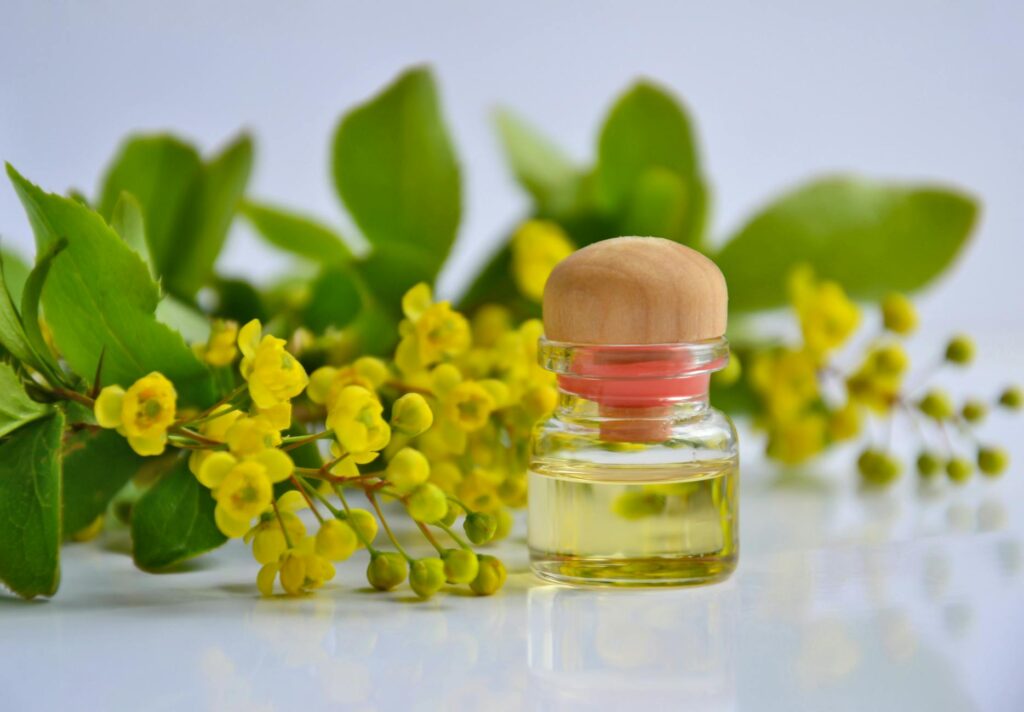
Benefits of Aromatherapy for Memory Enhancement Blends
Introduction
Aromatherapy, an ancient practice that utilizes essential oils extracted from plants, has gained popularity in modern wellness culture. Among its various applications, memory enhancement blends have emerged as a focal point of interest. The interplay between scent and cognition has been the subject of numerous studies, revealing how specific essential oils can potentially support memory processes. This article explores the essence of aromatherapy for memory enhancement, its key benefits, common uses, and practical applications.
What Is Aromatherapy for Memory Enhancement Blends?
Aromatherapy involves the inhalation or topical application of essential oils, which are highly concentrated plant extracts known for their therapeutic properties. Memory enhancement blends are specifically formulated combinations of essential oils that are believed to support cognitive function, improve focus, and enhance memory retention. These blends harness the olfactory system’s unique connection to the brain, particularly the limbic system, which is responsible for emotions, memories, and behaviors.
Key essential oils commonly used in memory enhancement blends include:
- Rosemary: Often associated with mental clarity and concentration.
- Lemon: Known for its uplifting properties, which can help stimulate mental activity.
- Peppermint: Believed to promote alertness and clarity.
- Basil: Often cited for its potential to relieve mental fatigue.
- Sage: Traditionally used to enhance memory and cognitive function.
When combined in various ratios, these oils create synergistic effects that may enhance their individual properties.
Key Benefits and Properties
The potential benefits of aromatherapy for memory enhancement are numerous. Here are some of the key properties associated with popular essential oils:
1. Improved Focus and Concentration
Certain essential oils can help sharpen focus and enhance concentration. For example, studies have suggested that rosemary essential oil can improve cognitive performance, making it a common choice for memory blends.
2. Stress Reduction
High stress levels can negatively impact cognitive function. Essential oils like lavender and bergamot are well-known for their calming effects, helping to reduce anxiety and promote a relaxed state of mind, which can be conducive to better memory retention.
3. Enhanced Mood
A positive mood can significantly impact cognitive abilities. Citrus oils, such as lemon and orange, are invigorating and can elevate mood, which in turn may enhance memory performance.
4. Increased Alertness
Peppermint oil is often included in memory blends due to its invigorating properties. Inhaling peppermint can lead to increased alertness and mental clarity, which can be beneficial for tasks requiring focus.
5. Cognitive Support
Certain oils like sage have been traditionally used for their cognitive benefits. While research is ongoing, some studies suggest that sage may support memory and cognitive function, making it a valuable addition to memory enhancement blends.
Common Uses
Aromatherapy for memory enhancement is versatile, allowing for various applications depending on individual preferences. Here are some common uses:
1. Diffusion
Using an essential oil diffuser is one of the most popular ways to enjoy the benefits of memory enhancement blends. By dispersing the oils into the air, a pleasant environment is created that can stimulate cognitive function and improve focus.
2. Inhalation
Inhaling essential oils directly from the bottle or using a cotton ball infused with oils can provide immediate olfactory stimulation. This method is convenient, especially for studying or tasks requiring concentration.
3. Topical Application
When diluted with a carrier oil, memory enhancement blends can be applied to pulse points, such as wrists or temples. This method allows the oils to be absorbed through the skin while also providing aromatherapeutic benefits through inhalation.
4. Bathing
Adding essential oils to bathwater can create a relaxing environment, enhancing both mood and cognitive function. This method allows for full-body absorption and can be particularly beneficial during stressful periods.
5. Aromatherapy Rollers
Pre-made or DIY roller bottles filled with memory enhancement blends offer a convenient way to apply essential oils on the go. These can be easily carried in a bag or purse, making them readily accessible when needed.
Aromatherapy Applications
To effectively use aromatherapy for memory enhancement, consider the following applications:
1. Study Sessions
Creating a conducive study environment with diffused essential oils can enhance focus and memory retention. Blends that include rosemary, lemon, and peppermint are particularly effective.
2. Workplaces
Incorporating memory enhancement blends in office settings can boost productivity and mental clarity. An essential oil diffuser or a personal inhaler can serve as practical tools in the workplace.
3. Meditation and Mindfulness
Using memory-enhancing essential oils during meditation can create a focused atmosphere, helping to clear the mind and enhance cognitive processes.
4. Daily Routines
Incorporating aromatherapy into daily routines, such as while commuting or exercising, can provide ongoing cognitive support throughout the day.
Safety Considerations
While aromatherapy is generally safe for most individuals, there are some safety considerations to keep in mind:
1. Skin Sensitivity
Essential oils can cause skin irritation in some individuals. It is advisable to conduct a patch test before applying any blend topically. Diluting essential oils with a carrier oil can also minimize the risk of irritation.
2. Allergies
Individuals with allergies or respiratory conditions should exercise caution when using essential oils, as some may trigger allergic reactions. It’s essential to choose high-quality, pure essential oils and consult with an aromatherapist or professional if unsure.
3. Pregnancy and Nursing
Pregnant or nursing individuals should consult with a healthcare provider before using essential oils, as some oils may not be safe during these periods.
4. Children and Pets
Not all essential oils are safe for children or pets. It is important to research which oils are suitable and to use them in appropriate dilutions.
Storage and Shelf Life
Proper storage of essential oils is crucial for maintaining their efficacy. Here are some guidelines:
1. Dark Bottles
Essential oils should be stored in dark glass bottles to protect them from light, which can degrade their quality.
2. Cool, Dry Place
Keeping oils in a cool, dry location away from direct sunlight and heat sources will help prolong their shelf life.
3. Shelf Life
The shelf life of essential oils varies, but most can last from 1 to 5 years if stored properly. Citrus oils tend to have shorter shelf lives, while oils like sandalwood and patchouli may last longer.
Frequently Asked Questions
1. Can aromatherapy really enhance memory?
While research suggests that certain essential oils may have beneficial effects on cognitive function and memory, results can vary among individuals. Aromatherapy should be considered a complementary approach rather than a sole solution.
2. How do I create my own memory enhancement blend?
To create a memory enhancement blend, combine a few drops of your chosen essential oils with a carrier oil. A common ratio is 2-3% essential oil in the carrier oil for topical applications.
3. How can I use aromatherapy in my daily routine?
Integrate aromatherapy into your daily routine by using essential oils in a diffuser while working, adding them to your bath, or applying them to pulse points before studying or engaging in mentally demanding tasks.
4. Are there any essential oils to avoid?
Certain oils may not be suitable for everyone, particularly those with allergies, pregnant or nursing individuals, or young children. It is essential to research and choose oils that align with your specific needs.
Conclusion
Aromatherapy holds potential as a supportive tool for memory enhancement through the use of carefully chosen essential oils. By understanding the properties and benefits of various oils, individuals can create personalized blends that may promote focus, cognitive support, and overall mental clarity. While aromatherapy should not be seen as a replacement for traditional methods of memory enhancement, its incorporation into daily routines may provide a holistic approach to cognitive well-being.