
Benefits of Aromatherapy for Mind-Body Connection Blends
Introduction
Aromatherapy is an ancient practice that utilizes essential oils derived from plants to support physical, emotional, and mental well-being. In recent years, the concept of the mind-body connection has gained traction in both holistic and mainstream wellness discussions. This article explores the benefits of aromatherapy specifically for enhancing the mind-body connection, elucidating how various essential oil blends can contribute to emotional balance, mental clarity, and overall wellness.
What Is Aromatherapy for Mind-Body Connection Blends?
Aromatherapy for mind-body connection blends involves the use of carefully selected essential oils to promote a harmonious relationship between mental and physical states. Essential oils are concentrated extracts from flowers, leaves, stems, and other parts of plants, each possessing unique therapeutic properties. When these oils are blended and used in specific ways, they can facilitate emotional release, mental clarity, and physical relaxation.
Mind-body connection blends typically focus on oils that support emotional well-being, reduce stress, and enhance mental clarity. Common essential oils used in these blends include lavender, frankincense, bergamot, and ylang-ylang, among others.
Key Benefits and Properties
Emotional Balance
Essential oils have been shown to possess mood-enhancing properties. For instance, lavender is renowned for its calming effects, often used to reduce anxiety and promote restful sleep. Bergamot, with its citrusy aroma, is celebrated for its uplifting qualities, aiding in alleviating feelings of sadness or stress.
Mental Clarity
Certain essential oils can stimulate cognitive function and enhance concentration. Peppermint, for instance, is often used to invigorate the mind and improve focus, making it a popular choice for those needing a mental boost.
Stress Reduction
The soothing properties of essential oils help to lower cortisol levels in the body, contributing to a reduction in stress. Oils such as chamomile and sandalwood are often included in blends designed to calm the nervous system and alleviate tension.
Enhanced Relaxation
Aromatherapy blends can promote physical relaxation, which, in turn, supports mental ease. Oils like cedarwood and vetiver are often used in blends for their grounding properties, helping to create a sense of stability and tranquility.
Improved Sleep Quality
The use of relaxing essential oils can enhance sleep quality, which is critical for both mental and physical health. Blends containing oils such as lavender and marjoram are commonly used in bedtime rituals to promote deep, restorative sleep.
Common Uses
Aromatherapy blends for mind-body connection can be employed in various settings and situations. Below are some common uses:
Diffusion
Using an essential oil diffuser, individuals can disperse the aroma of essential oils throughout a room, creating a calming atmosphere conducive to relaxation or focus.
Inhalation
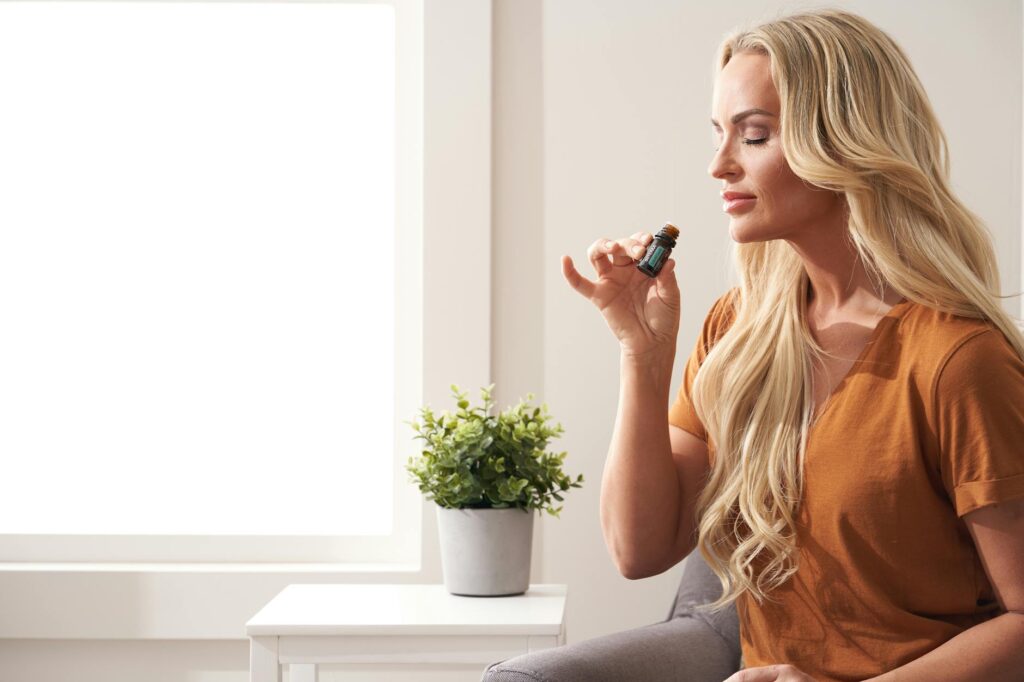
Simply inhaling the scent of specific essential oils can evoke emotional responses and enhance mental clarity. This can be done by placing a few drops of essential oil on a cotton ball or using an inhaler.
Topical Application
Diluting essential oils in a carrier oil allows for topical application, which can provide localized benefits. This method is often used in massage therapy to enhance the physical experience and promote relaxation.
Bathing
Adding essential oils to a warm bath can create a soothing experience that supports both body and mind. Oils such as lavender and eucalyptus are often used for their calming and refreshing qualities.
Meditation and Yoga
Incorporating essential oils into meditation or yoga practices can deepen the experience. The aromas can help in grounding the mind and enhancing focus, making it easier to connect with one’s inner self.
Aromatherapy Applications
Creating Your Own Blends
Individuals can create personalized blends tailored to their specific needs and preferences. A basic method involves combining a few drops of essential oils with a carrier oil or water. Popular blends for mind-body connection might include:
1. Calming Blend: Lavender, chamomile, and bergamot.
2. Uplifting Blend: Sweet orange, rosemary, and ylang-ylang.
3. Focus Blend: Peppermint, lemon, and basil.
Pre-Made Blends
Many retailers offer pre-made blends specifically designed for mind-body connection. These blends are often curated by professionals and can be a convenient option for those who prefer not to formulate their own.
Safety Considerations
While aromatherapy is generally considered safe when used appropriately, there are important safety considerations to keep in mind:
Dilution
Essential oils are highly concentrated and should be diluted in a carrier oil before topical application. This reduces the risk of skin irritation or sensitivity.
Allergies and Sensitivities
Individuals should perform a patch test before using a new essential oil, especially if they have sensitive skin or allergies. Discontinue use if any adverse reactions occur.
Pregnancy and Nursing
Certain essential oils may not be safe for pregnant or nursing women. It is advisable to consult a knowledgeable practitioner before using essential oils in these circumstances.
Children and Pets
Some essential oils can be harmful to children and pets. It is essential to research which oils are safe and to use them in appropriate dilutions.
Storage and Shelf Life
Proper storage is crucial for maintaining the quality and efficacy of essential oils. Here are some guidelines:
Storage Conditions
Essential oils should be stored in a cool, dark place, away from direct sunlight and heat. Amber or cobalt glass bottles are ideal as they protect the oils from light degradation.
Shelf Life
Most essential oils have a shelf life of 1 to 3 years, although some oils may last longer if stored correctly. Citrus oils tend to have a shorter shelf life compared to woody or resinous oils.
Frequently Asked Questions
Can aromatherapy cure health conditions?
While aromatherapy can support emotional and physical well-being, it should not be considered a cure for health conditions. It is best used as a complementary approach alongside other treatments.
How do I choose the right essential oil for my needs?
Choosing the right essential oil often depends on individual preferences and specific goals. Research the properties of various oils and consider what emotional or physical response you wish to achieve.
Are there any side effects of using essential oils?
Some individuals may experience skin irritation or allergic reactions when using essential oils. It is essential to conduct a patch test and consult with a healthcare provider if you have any concerns.
Can I use essential oils in a diffuser while sleeping?
Yes, using a diffuser with calming essential oils can create a soothing environment conducive to sleep. However, it is advisable to ensure the diffuser is placed securely and monitored when in use.
How long do the effects of aromatherapy last?
The duration of aromatherapy effects can vary based on individual sensitivity and the method of application. Generally, the benefits can last from a few minutes to several hours.
Conclusion
Aromatherapy for mind-body connection blends offers numerous benefits that can enhance emotional balance, mental clarity, and overall well-being. Through the careful selection and application of essential oils, individuals can foster a deeper connection between their mind and body, promoting a healthier, more harmonious life. As with any holistic practice, understanding the properties and applications of essential oils is key to unlocking their full potential.