
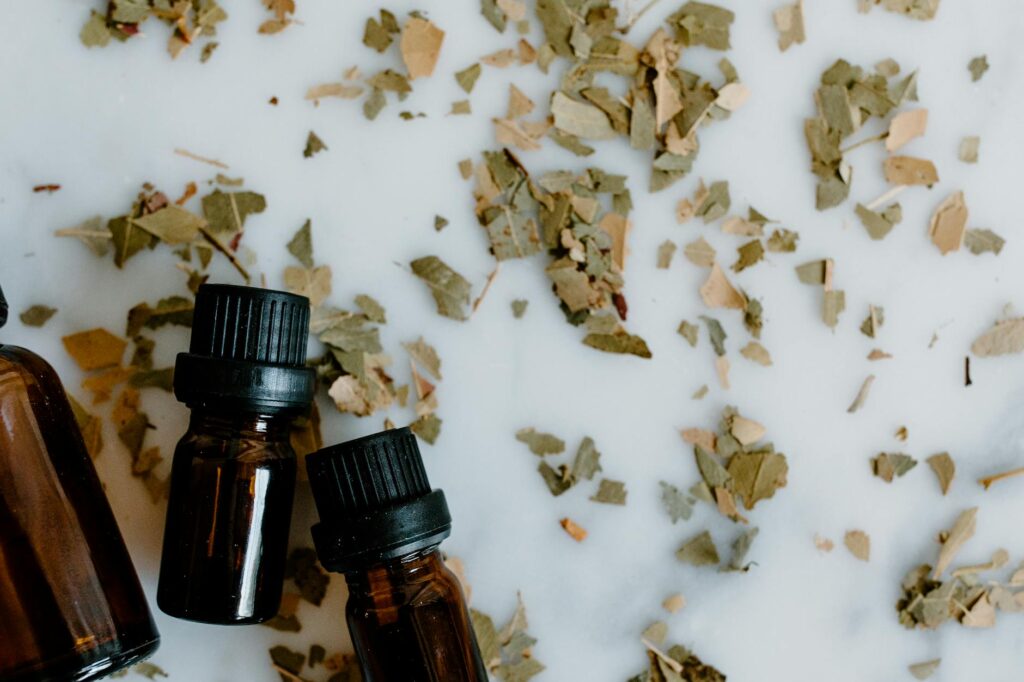
Benefits of Aromatherapy for Mood Enhancement Blends
Introduction
Aromatherapy is a holistic practice that utilizes the natural extracts of plants, commonly known as essential oils, to promote emotional and physical well-being. Among its myriad applications, mood enhancement blends have garnered significant attention for their potential to uplift spirits, alleviate stress, and foster a sense of tranquility. This article will explore the concept of aromatherapy specifically tailored for mood enhancement, outlining its benefits, common uses, and practical applications.
What Is Aromatherapy for Mood Enhancement Blends?
Aromatherapy for mood enhancement blends involves the use of specific essential oils, often combined to create synergistic effects, aimed at influencing emotions and mental states. These blends harness the aromatic qualities of essential oils, which can stimulate the olfactory system and, in turn, affect the limbic system—the part of the brain responsible for emotions and memory.
The practice of creating mood enhancement blends draws on both traditional knowledge and modern research, recognizing the intricate relationship between scent and mood. Common essential oils utilized in these blends may include lavender, bergamot, ylang-ylang, and chamomile, each selected for their distinct aromatic profiles and emotional effects.
Key Benefits and Properties
1. Stress Relief
Many essential oils possess calming properties that can help reduce stress and anxiety. For instance, lavender oil is widely recognized for its soothing effects, promoting relaxation and potentially improving sleep quality.
2. Mood Elevation
Certain essential oils are known to uplift mood. Citrus oils, such as orange and lemon, are often associated with feelings of happiness and positivity. Their bright, fresh scents can energize and invigorate, making them popular choices in mood enhancement blends.
3. Emotional Balance
Aromatherapy can assist in achieving emotional equilibrium. Oils like geranium and frankincense are thought to help regulate emotions, fostering a sense of stability and inner peace. This can be particularly beneficial during times of emotional upheaval.
4. Enhanced Cognitive Function
Some essential oils may also support cognitive function and mental clarity. Peppermint and rosemary are known for their stimulating effects, which can increase focus and alertness, making them ideal for use in work or study environments.
5. Improved Relationships
The use of aromatherapy in social settings can enhance interpersonal interactions. Blends that promote relaxation and positivity can create a harmonious atmosphere, facilitating open communication and connection among individuals.
Common Uses
1. Home Environment
Many individuals incorporate mood enhancement blends into their home environments. Diffusing essential oils can create a calming atmosphere, making it an ideal practice for living spaces, bedrooms, or areas designated for relaxation.
2. Personal Care Products
Aromatherapy blends can also be used in personal care products, such as lotions, bath oils, and perfumes. By integrating mood-enhancing essential oils into daily routines, individuals can carry the benefits of aromatherapy with them.
3. Workplace Settings
Incorporating mood enhancement blends into workplace environments can foster productivity and well-being. Diffusers or personal inhalers can help create a more pleasant atmosphere, reducing stress and enhancing focus among employees.
4. Emotional Support During Transitions
Aromatherapy can serve as a supportive tool during significant life transitions, such as moving, changing jobs, or experiencing loss. Specific blends can provide comfort and emotional support during these challenging times.
Aromatherapy Applications
1. Diffusion
Diffusing essential oils is one of the most popular methods of aromatherapy. Using an essential oil diffuser, individuals can disperse the aroma of mood enhancement blends into the air. This method allows for even distribution, making it effective for larger spaces.
2. Inhalation
Inhalation is a direct way to experience the benefits of essential oils. Individuals can place a few drops of a mood-enhancing blend on a tissue or cotton ball and inhale deeply. This method provides quick access to the oil’s aromatic compounds.
3. Topical Application
Applying diluted essential oils to the skin can enhance their effects. It is essential to mix essential oils with a carrier oil, such as coconut oil or jojoba oil, before application. Common areas for topical application include pulse points, such as wrists and neck.
4. Bathing
Incorporating mood enhancement blends into bathing rituals can create a serene and calming experience. Adding a few drops of essential oils to bathwater can transform a simple bath into a rejuvenating aromatherapy experience.
Safety Considerations
While aromatherapy is generally considered safe, certain precautions should be observed:
1. Skin Sensitivity
Essential oils are potent and can cause allergic reactions or skin irritation in some individuals. It is advisable to conduct a patch test by applying a small amount of diluted oil to a discreet area of skin before wider use.
2. Pregnancy and Nursing
Pregnant or nursing individuals should consult with a qualified professional before using essential oils, as some oils may not be suitable during these periods.
3. Children and Pets
When using essential oils in households with children or pets, it is crucial to select safe oils and ensure proper dilution. Certain essential oils may be toxic to animals, so researching the safety of each oil is essential.
4. Consultation
Individuals with pre-existing health conditions or those taking medication should consult with a healthcare provider before incorporating aromatherapy into their routines. This ensures that there are no contraindications.
Storage and Shelf Life
To maintain the integrity of essential oils, proper storage is essential. Essential oils should be stored in a cool, dark place, away from direct sunlight and heat sources.
1. Container
Glass containers are preferred for storing essential oils, as plastic can leach chemicals over time. Dark amber or cobalt blue bottles can help protect oils from light degradation.
2. Shelf Life
The shelf life of essential oils varies depending on the oil and its chemical composition. Generally, citrus oils may have a shorter shelf life (1–2 years), while oils like patchouli or sandalwood can last for several years if stored correctly. Regularly check for changes in scent or appearance, as these may indicate that an oil has surpassed its usable period.
Frequently Asked Questions
1. How do I create my own mood enhancement blend?
To create your own mood enhancement blend, select essential oils that resonate with your desired emotional state. A typical ratio is 3-5 drops of each oil per 10 ml of carrier oil. Experiment with different combinations to find what works best for you.
2. Can I use mood enhancement blends during meditation?
Yes, many individuals find that using mood enhancement blends during meditation enhances their experience. Oils such as sandalwood, frankincense, and lavender are often favored for their calming and grounding effects.
3. How long do the effects of aromatherapy last?
The effects of aromatherapy can vary depending on the individual and method of application. Diffused scents may linger in the environment, while inhalation or topical applications may provide immediate effects that last for varying durations.
4. Are there any essential oils I should avoid?
Certain essential oils can be irritating or harmful in specific situations. For instance, oils like wintergreen and eucalyptus should be used with caution around children. Always research the safety of individual oils based on your personal circumstances.
5. Can I mix multiple essential oils?
Yes, blending essential oils can create unique aromatic profiles and enhance the benefits of each oil. However, it is essential to balance the scents, considering both their aromatic qualities and effects on mood.
Conclusion
Aromatherapy for mood enhancement blends presents a natural and holistic approach to emotional well-being. By harnessing the power of essential oils, individuals can create personalized experiences that foster relaxation, upliftment, and emotional balance. With proper understanding and application, aromatherapy can enrich daily life, offering a fragrant avenue to enhance mood and overall quality of life. Always prioritize safety and personal preference when selecting and using essential oils, and enjoy the journey of exploring the diverse world of aromatherapy.