
Benefits of Aromatherapy for Relaxation and Calm Blends
Introduction
In a world characterized by constant activity and stress, finding effective methods for relaxation and tranquility has become increasingly important. Aromatherapy, the practice of using essential oils derived from plants to enhance physical and emotional well-being, has gained popularity as a holistic approach to promoting calmness. This article delves into the benefits of aromatherapy for relaxation and explores various calming blends that can help individuals achieve a state of serenity.
What Is Aromatherapy for Relaxation and Calm Blends?
Aromatherapy is the art and science of utilizing the natural fragrances of essential oils to enhance psychological and physical wellness. Essential oils are concentrated extracts obtained from various parts of plants, including flowers, leaves, stems, and roots. Each essential oil possesses unique properties that contribute to its distinct scent and therapeutic benefits.
Calm blends in aromatherapy typically consist of a combination of essential oils known for their relaxing properties. These blends can be tailored to suit individual preferences and needs, making aromatherapy a versatile tool for promoting mental and emotional well-being.
Key Benefits and Properties
The primary benefits of aromatherapy for relaxation can be categorized into several key areas:
Stress Reduction
Essential oils such as lavender, chamomile, and bergamot have been traditionally recognized for their stress-relieving properties. Inhaling these scents may help reduce anxiety levels and promote a sense of calm.
Improved Sleep Quality
Certain essential oils, particularly lavender and cedarwood, are known to enhance the quality of sleep. Incorporating these oils into a bedtime routine can create a soothing atmosphere conducive to restful slumber.
Enhanced Mood
Aromatherapy can positively influence mood and emotional health. Citrus oils like orange and lemon are uplifting and can help alleviate feelings of sadness or lethargy.
Promotion of Mindfulness
The ritual of using aromatherapy can foster a mindful approach to relaxation. Taking the time to engage with scents can encourage individuals to slow down and focus on the present moment.
Physical Relaxation
Essential oils such as ylang-ylang and vetiver may promote muscle relaxation and alleviate tension. This can be beneficial for those who experience physical discomfort related to stress.
Common Uses
Aromatherapy can be integrated into daily life in various ways:
Diffusion
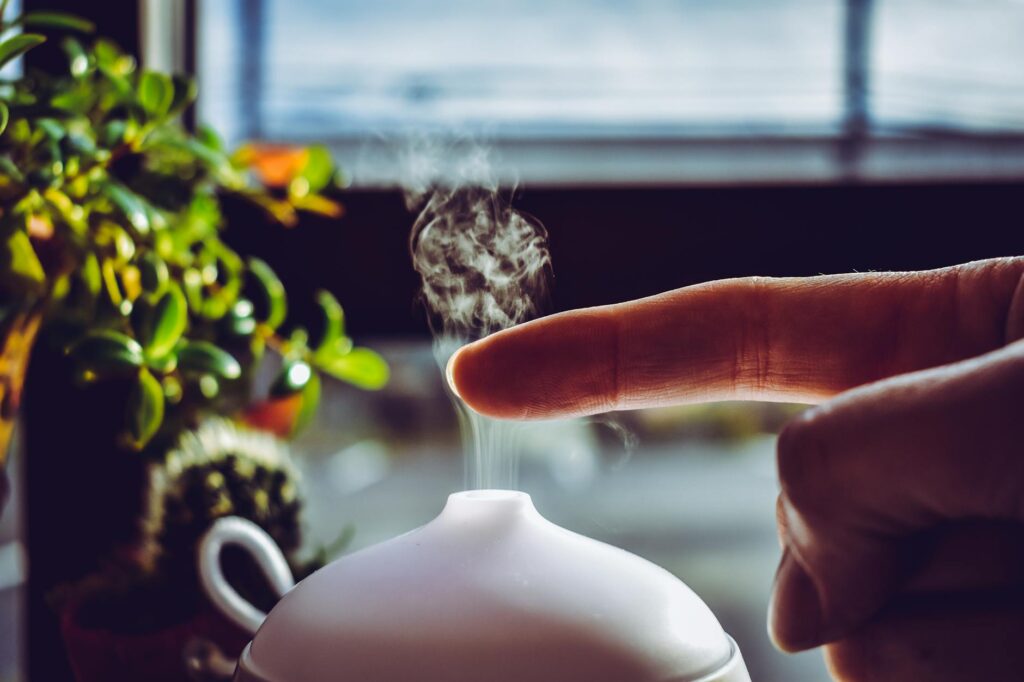
Using an essential oil diffuser is one of the most popular methods for dispersing calming scents throughout a room. Diffusion creates a gentle, enveloping atmosphere that can enhance relaxation.
Massage
Incorporating essential oils into massage oil can enhance the relaxation experience. Oils such as sweet almond or jojoba can serve as carriers for essential oils, allowing for a soothing massage that promotes physical and emotional relief.
Bathing
Adding essential oils to bathwater can create a tranquil spa-like experience. Oils like lavender and eucalyptus can transform a simple bath into a restorative ritual.
Inhalation
Simple inhalation techniques can also be effective for immediate relief. Placing a few drops of essential oil on a tissue or cotton ball and inhaling can provide instant calming effects.
Personal Care Products
Many individuals incorporate essential oils into personal care products such as lotions, candles, and sprays. This allows for the benefits of aromatherapy to be enjoyed throughout the day.
Aromatherapy Applications
Popular Essential Oils for Relaxation
- Lavender: Renowned for its calming effects, lavender is often used to alleviate anxiety and improve sleep quality.
- Chamomile: Known for its soothing properties, chamomile is frequently used in teas and essential oil blends for relaxation.
- Bergamot: This citrus oil is celebrated for its uplifting qualities and is often employed to reduce stress and enhance mood.
- Ylang-Ylang: With its sweet floral aroma, ylang-ylang is believed to promote emotional balance and reduce feelings of tension.
- Sandalwood: Valued for its grounding properties, sandalwood is often used in meditation practices to foster inner peace.
Recommended Calm Blends
1. Lavender and Chamomile Blend: This soothing combination is ideal for bedtime routines, promoting relaxation and sleep.
2. Bergamot and Ylang-Ylang Blend: This blend offers an uplifting yet calming experience, making it suitable for stress relief during the day.
3. Cedarwood and Frankincense Blend: Known for their grounding properties, these oils can create a serene atmosphere during meditation or quiet reflection.
4. Sweet Orange and Lavender Blend: This cheerful and calming mix can elevate mood while promoting relaxation, making it suitable for any time of the day.
Safety Considerations
When using essential oils, it is essential to be aware of safety considerations to ensure a positive experience:
Skin Sensitivity
Some individuals may experience skin sensitivity or allergic reactions to essential oils. It is advisable to perform a patch test before applying oils topically. Diluting essential oils in a carrier oil is also recommended to minimize the risk of irritation.
Quality of Essential Oils
The quality of essential oils can vary significantly between brands. It is crucial to choose high-quality, pure essential oils from reputable sources to ensure their efficacy and safety.
Pregnant or Nursing Women
Pregnant or nursing women should consult with a healthcare professional before using essential oils, as some may not be safe during pregnancy or lactation.
Children and Pets
Certain essential oils can be harmful to children and pets. It is important to research and use caution when diffusing or applying oils in households with children or animals.
Storage and Shelf Life
Proper storage of essential oils is vital to maintain their potency and aroma. Essential oils should be stored in dark glass bottles away from direct sunlight and heat sources. Most essential oils have a shelf life of 1 to 3 years, depending on the type. Citrus oils, for example, tend to have a shorter shelf life compared to woody oils like sandalwood or cedarwood.
To extend the life of essential oils, it is advisable to keep them tightly sealed and in a cool, dry place. Regularly checking for changes in scent or consistency can help identify any oils that may have deteriorated.
Frequently Asked Questions
Can I use essential oils in a diffuser?
Yes, essential oils can be used in a diffuser. Be sure to follow the manufacturer’s instructions for the proper amount of oil to use for optimal diffusion.
How can I make my own calming blend?
To create a calming blend, choose several essential oils known for their relaxation properties. For example, combine equal parts of lavender and chamomile oil and dilute in a carrier oil if applying topically.
How often should I use aromatherapy for relaxation?
The frequency of use can vary based on personal preference and individual needs. Many people find daily use beneficial, especially during stressful periods or as part of a bedtime routine.
Are there any essential oils to avoid for relaxation?
While most essential oils are safe, it is wise to avoid those that may be stimulating, such as peppermint and rosemary, when seeking relaxation. Always consult reliable resources or professionals if uncertain.
Can I mix different essential oils together?
Yes, many people enjoy experimenting with blending different essential oils to create customized scents. Begin with small quantities to find combinations that resonate with you.
Conclusion
Aromatherapy offers a holistic approach to relaxation, utilizing the natural properties of essential oils to promote calmness and tranquility. By incorporating calming blends into daily routines, individuals can cultivate a sense of peace and well-being. As with any practice, it is essential to approach aromatherapy with mindfulness, ensuring safe and effective use. Through thoughtful engagement with essential oils, one can embrace the benefits of aromatherapy and enhance their journey toward relaxation and calm.