
Benefits of Aromatherapy for Respiratory Health Blends
Introduction
Aromatherapy is an ancient practice that harnesses the therapeutic properties of essential oils derived from plants. This holistic approach is increasingly recognized for its potential benefits in enhancing respiratory health. The use of specific essential oils in targeted blends can promote clearer breathing, support lung function, and foster a sense of well-being. This article explores the intricacies of aromatherapy for respiratory health, outlining its key benefits, applications, and safety considerations.
What Is Aromatherapy for Respiratory Health Blends?
Aromatherapy involves the inhalation or topical application of essential oils, which are concentrated extracts from various parts of plants, including leaves, flowers, bark, and roots. When applied to respiratory health, aromatherapy focuses on blends formulated to support the respiratory system. These blends may include oils known for their anti-inflammatory, antiseptic, and expectorant properties.
Respiratory health blends often feature a combination of oils that are traditionally recognized for their ability to soothe irritation, reduce congestion, and promote overall lung function. Common essential oils used in these blends include eucalyptus, peppermint, tea tree, lavender, and rosemary, among others.
Key Benefits and Properties
Aromatherapy for respiratory health blends offers a variety of potential benefits, many of which stem from the unique properties of essential oils. Here are some key benefits:
1. Decongestant Properties
Certain essential oils, such as eucalyptus and peppermint, are known for their decongestant effects. They can help to open airways, making it easier to breathe, especially during colds or allergies.
2. Soothing Effects
Essential oils like lavender and chamomile possess calming properties that can alleviate stress and anxiety, which are often exacerbated by respiratory issues. A calm state can facilitate easier breathing.
3. Antimicrobial Action
Many essential oils, including tea tree and thyme, exhibit antimicrobial properties. They can help combat pathogens that may lead to respiratory infections, thereby supporting overall respiratory health.
4. Expectorant Qualities
Oils such as rosemary and thyme may aid in loosening mucus, making it easier to expel and thereby promoting clearer airways.
5. Inflammation Reduction
Essential oils like ginger and turmeric are known for their anti-inflammatory properties. Reducing inflammation in the respiratory tract may enhance comfort and facilitate easier breathing.
Common Uses
Aromatherapy blends for respiratory health can be utilized in various situations, including:
1. Seasonal Allergies
During allergy season, inhaling specific blends may help alleviate symptoms such as nasal congestion and irritation.
2. Colds and Flu
Aromatherapy can be used to ease discomfort associated with colds and flu, providing relief from symptoms like cough and congestion.
3. Asthma Support
While aromatherapy is not a substitute for medical treatment, some individuals find that certain oils may help to ease symptoms of asthma when used in conjunction with prescribed therapies.
4. Stress Relief
Inhalation of calming oils can assist in managing stress-related symptoms, which can indirectly support respiratory health.
Aromatherapy Applications
There are several methods to utilize essential oils for respiratory health. Here are some common applications:
1. Diffusion
Using a diffuser, essential oils can be dispersed into the air, allowing for inhalation of the therapeutic aromas. This method is particularly effective for creating a soothing environment.
2. Inhalation
Direct inhalation involves placing a few drops of essential oil on a tissue or in the palm of the hand, cupping it over the nose, and taking deep breaths. This method provides immediate access to the olfactory system.
3. Topical Application
Diluting essential oils with a carrier oil, such as coconut or jojoba oil, allows for safe application on the chest or back. This method can enhance the effects of the oils through skin absorption.
4. Steam Inhalation
Adding essential oils to a bowl of hot water and inhaling the steam can provide immediate relief for congestion and sinus pressure.
5. Bathing
Adding essential oils to a warm bath can create a relaxing experience while also providing respiratory support through inhalation.
Safety Considerations
While aromatherapy is generally considered safe, there are important safety considerations to keep in mind:
1. Dilution
Essential oils are potent and should be diluted with a carrier oil before topical application to prevent skin irritation.
2. Allergies
Individuals should conduct a patch test to check for allergic reactions before using a new essential oil.
3. Pregnancy and Nursing
Certain essential oils may not be safe for use during pregnancy or while nursing. Consulting with a healthcare professional is advisable.
4. Pre-existing Conditions
Individuals with respiratory conditions should seek guidance from a healthcare provider before incorporating essential oils into their routine.
5. Quality of Oils
Using high-quality, pure essential oils is crucial, as synthetic oils may not provide the same therapeutic benefits and can introduce harmful chemicals.
Storage and Shelf Life
Proper storage is essential for maintaining the efficacy of essential oils. Here are some guidelines:
1. Dark Glass Bottles
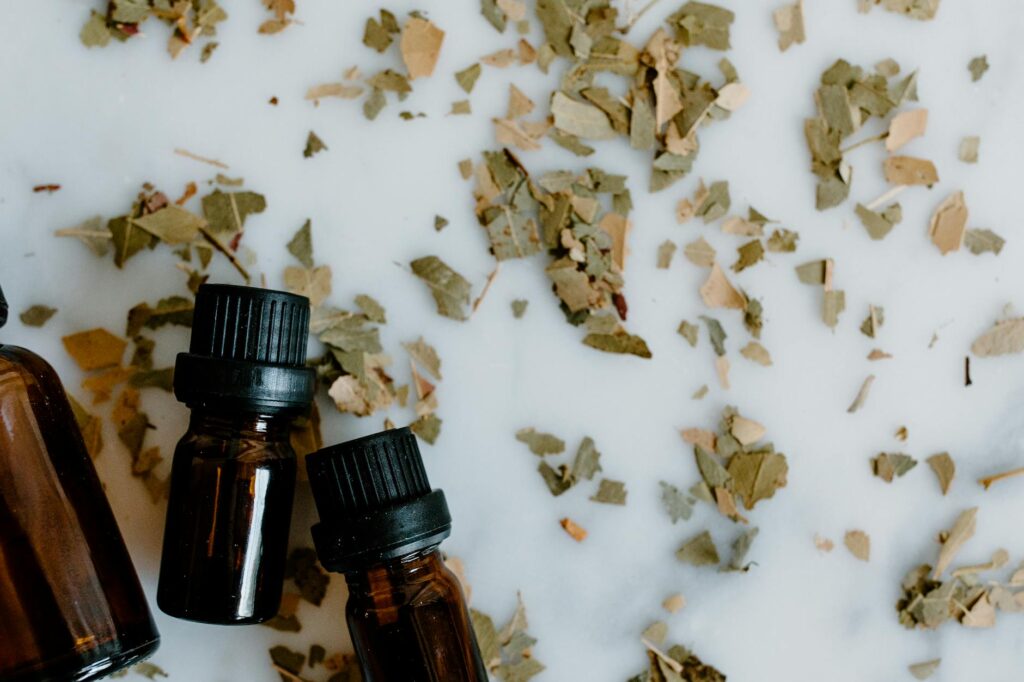
Essential oils should be stored in dark glass bottles to protect them from light exposure, which can degrade their quality.
2. Cool, Dry Place
Store oils in a cool, dry place away from direct sunlight and heat sources to prolong their shelf life.
3. Expiration
Most essential oils have a shelf life of 1 to 3 years, but this can vary depending on the type of oil. Always check for any changes in smell, color, or consistency before use.
Frequently Asked Questions
1. Can aromatherapy replace conventional medical treatments?
Aromatherapy can complement medical treatments but should not replace them. Always consult a healthcare provider for medical advice.
2. How do I choose the right essential oils for respiratory health?
Select oils known for their respiratory benefits, such as eucalyptus, peppermint, and tea tree. Consider personal preferences and any pre-existing conditions.
3. How often can I use essential oils for respiratory health?
Usage frequency depends on individual tolerance and preference. It’s advisable to start slowly and observe how your body responds.
4. Are there any side effects associated with aromatherapy?
While generally safe, some individuals may experience skin irritation or allergic reactions. Always conduct a patch test and consult a healthcare provider if you have concerns.
5. Can children use essential oils for respiratory health?
Children can benefit from aromatherapy, but it is essential to use oils that are safe for their age group and to consult with a healthcare provider for guidance.
Conclusion
Aromatherapy offers a holistic approach to supporting respiratory health through carefully crafted essential oil blends. By understanding the properties and applications of these oils, individuals can make informed choices about incorporating them into their wellness routines. While aromatherapy can complement traditional treatments, it is crucial to consider safety and consult with healthcare professionals when necessary. Ultimately, the potential benefits of using aromatic plant extracts can enhance overall well-being and support respiratory function in a natural and soothing manner.