
Benefits of Aromatherapy for Seasonal Affective Disorder (SAD) Blends
Introduction
Seasonal Affective Disorder (SAD) is a type of depression that occurs at a specific time of year, most commonly in the winter months when daylight hours are shorter. The condition affects many individuals worldwide, leading to feelings of sadness, fatigue, and a lack of motivation. While traditional treatment options often include light therapy and counseling, many people are turning to complementary approaches like aromatherapy. This article explores the benefits of aromatherapy for SAD, focusing on specific essential oil blends that may help alleviate symptoms and enhance overall well-being.
What Is Aromatherapy for Seasonal Affective Disorder (SAD) Blends?
Aromatherapy is a holistic healing practice that uses essential oils extracted from plants, flowers, and herbs to promote physical, emotional, and mental well-being. Each essential oil possesses unique properties, making them suitable for various therapeutic purposes. For individuals experiencing SAD, certain essential oils can be blended to target symptoms such as low energy, mood swings, and feelings of melancholy.
These blends can be inhaled, applied topically (when diluted), or used in diffusers to create an uplifting and calming environment. The scents can stimulate the limbic system, the brain region involved in emotions, memory, and arousal, thereby influencing mood and behavior.
Key Benefits and Properties
1. Uplifting Mood
Certain essential oils, such as citrus oils (e.g., lemon, orange, and grapefruit), are known for their uplifting properties. These oils can help combat feelings of sadness and low energy often associated with SAD. Their invigorating scents can stimulate the production of serotonin, a neurotransmitter that contributes to feelings of well-being and happiness.
2. Reducing Anxiety and Stress
Essential oils like lavender and bergamot have calming effects that can help reduce anxiety and stress levels. This is particularly beneficial for individuals with SAD, who may experience heightened feelings of stress and tension during the darker months.
3. Enhancing Concentration and Focus
Certain oils, such as rosemary and peppermint, are believed to enhance mental clarity and focus. This can be especially useful for those suffering from SAD, who may find it challenging to concentrate or maintain productivity during low-light conditions.
4. Promoting Relaxation and Sleep
The winter season can disrupt sleep patterns, exacerbating symptoms of SAD. Essential oils such as chamomile and cedarwood are known for their sedative properties, promoting relaxation and improving sleep quality. A well-rested individual is better equipped to handle the challenges posed by SAD.
5. Providing Energy
Essential oils like eucalyptus and ginger can offer invigorating properties that boost energy levels. These oils can be particularly helpful for individuals experiencing fatigue and lethargy during the winter months.
Common Uses
1. Diffusion
Using a diffuser to disperse essential oils into the air is one of the most common methods of aromatherapy. Blends specifically formulated for SAD can fill a room with uplifting scents, promoting an overall positive atmosphere.
2. Topical Application
When diluted with a carrier oil, essential oils can be applied to pulse points such as wrists, temples, or the back of the neck. This method allows the oils to be absorbed into the skin and can provide immediate psychological benefits through inhalation of the scent.
3. Bathing
Adding a few drops of essential oil blends to a warm bath can create a soothing atmosphere. The combination of warm water and aromatic oils can help relax the body and mind, providing relief from SAD symptoms.
4. Inhalation
Inhaling essential oils directly from the bottle or from a cotton ball can provide an instant mood boost. This method is particularly effective for quick relief during moments of low energy or sadness.
Aromatherapy Applications
1. Custom Blends for SAD
Creating personalized blends can enhance the effects of aromatherapy for SAD. Some popular essential oils often included in these blends are:
- Citrus Oils (Lemon, Orange, Grapefruit): Uplifting and energizing.
- Lavender: Calming and stress-relieving.
- Bergamot: Helps reduce feelings of anxiety and promotes relaxation.
- Rosemary: Enhances focus and mental clarity.
- Peppermint: Invigorates and boosts energy levels.
- Frankincense: Grounding and soothing, can enhance spiritual feelings.
- 5 drops of Lemon essential oil
- 3 drops of Orange essential oil
- 2 drops of Bergamot essential oil
- 4 drops of Lavender essential oil
- 3 drops of Frankincense essential oil
- 2 drops of Cedarwood essential oil
- 4 drops of Peppermint essential oil
- 3 drops of Rosemary essential oil
- 2 drops of Eucalyptus essential oil
- Dilution: Essential oils are highly concentrated and should always be diluted with a carrier oil before applying to the skin to avoid irritation.
- Patch Test: Conduct a patch test before using a new essential oil to rule out allergic reactions.
- Pregnancy and Nursing: Pregnant or nursing individuals should consult a healthcare professional before using essential oils.
- Quality of Oils: Choose high-quality, pure essential oils from reputable sources to ensure safety and efficacy.
- Medical Conditions: Those with pre-existing medical conditions or who are on medication should consult a healthcare provider before using essential oils.
- Dark Glass Containers: Store essential oils in dark glass bottles to protect them from light degradation.
- Cool, Dry Place: Keep oils in a cool, dry place away from direct sunlight and heat sources.
- Shelf Life: Most essential oils have a shelf life of one to three years, depending on the type. Citrus oils tend to have a shorter shelf life, while oils like patchouli may last longer.
2. Recipes for SAD Blends
Here are a few simple recipes for creating your own SAD blends:
Uplifting Citrus Blend:
Calming Lavender Blend:
Energizing Herbal Blend:
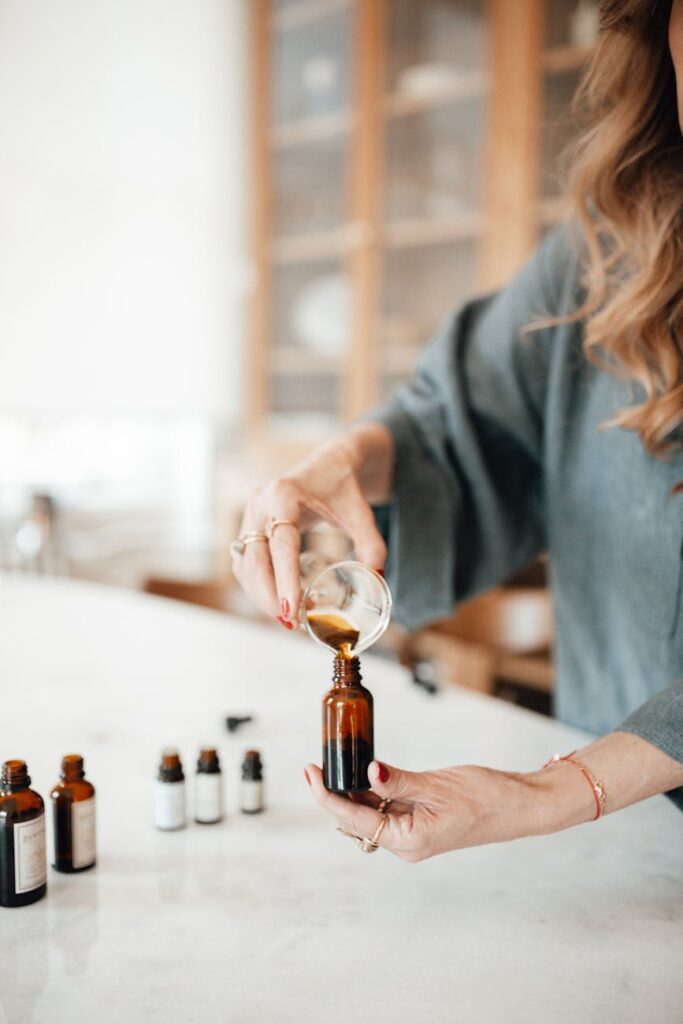
Mix the oils in a dark glass bottle and dilute with a carrier oil if applying topically.
Safety Considerations
While aromatherapy is generally safe, it is essential to take certain precautions:
Storage and Shelf Life
Proper storage of essential oils is crucial to maintain their potency and effectiveness. Here are some tips:
Frequently Asked Questions
1. Can aromatherapy cure SAD?
Aromatherapy is not a cure for SAD but can be a complementary approach to help alleviate some symptoms. It is important to seek professional medical advice for comprehensive treatment options.
2. How do I choose the right essential oils for my SAD blend?
Consider your personal preferences and what scents resonate with you. It may be helpful to experiment with different oils to discover which ones provide the most relief.
3. How often should I use aromatherapy for SAD?
The frequency of use can vary depending on individual needs. Many find daily use beneficial, particularly during the winter months when symptoms may be more pronounced.
4. Are there any side effects to using essential oils?
While generally safe, some individuals may experience allergic reactions or skin irritation. It is crucial to dilute essential oils and conduct a patch test before widespread use.
5. Can children use essential oils for SAD?
Children can benefit from essential oils, but it is essential to use oils that are safe for their age group and always dilute them properly. Consulting a pediatrician or a qualified aromatherapist is advisable.
Conclusion
Aromatherapy offers a natural and holistic approach to managing the symptoms of Seasonal Affective Disorder. By utilizing specific essential oil blends, individuals can find relief from feelings of sadness, anxiety, and fatigue commonly associated with the winter months. While it should not replace traditional medical treatment, aromatherapy can serve as a valuable complementary tool for enhancing emotional well-being. Always approach the use of essential oils with caution and consider personal preferences and sensitivities to create an effective and enjoyable experience.