
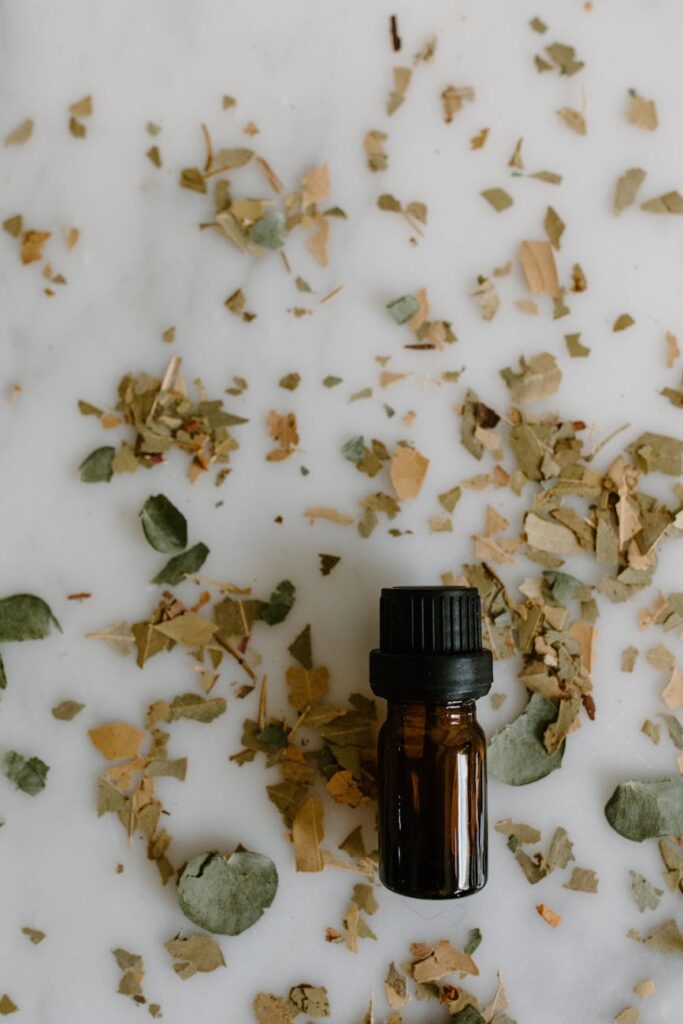
Benefits of Aromatherapy for Seasonal Affective Disorder (SAD) Prevention Blends
Introduction
Seasonal Affective Disorder (SAD) is a type of depression that typically occurs during specific seasons, most often in the fall and winter months when daylight hours are shorter. Individuals affected by SAD may experience symptoms such as fatigue, mood swings, and a general sense of malaise. While various treatment options exist, many individuals are turning to complementary therapies, such as aromatherapy, to alleviate symptoms and enhance overall well-being. This article explores the benefits of aromatherapy blends designed specifically for the prevention of SAD, highlighting their key properties, common uses, and safety considerations.
What Is Aromatherapy for Seasonal Affective Disorder (SAD) Prevention Blends?
Aromatherapy involves the use of essential oils derived from plants for therapeutic purposes. These concentrated oils are extracted through processes such as steam distillation or cold pressing and are believed to have various psychological and physiological effects. For those experiencing SAD, aromatherapy can provide a natural and holistic approach to mood enhancement and emotional balance.
Aromatherapy blends for SAD prevention typically incorporate essential oils known for their uplifting, energizing, and calming properties. These blends aim to counteract feelings of sadness and lethargy while promoting a sense of vitality and well-being.
Key Benefits and Properties
1. Mood Enhancement: Many essential oils used in aromatherapy possess mood-lifting properties. Oils such as bergamot, sweet orange, and lavender are known for their ability to elevate mood and reduce feelings of anxiety.
2. Stress Relief: Stress is a common trigger for depressive symptoms. Essential oils like chamomile and ylang-ylang have calming effects that can help alleviate stress and promote relaxation.
3. Increased Energy: Oils such as peppermint and rosemary can stimulate the senses and provide an invigorating boost, which may be particularly beneficial during the sluggish winter months.
4. Improved Sleep Quality: Quality sleep is crucial for mental health. Oils like cedarwood and lavender can promote restful sleep, helping to counteract the fatigue associated with SAD.
5. Enhanced Cognitive Function: Certain essential oils have properties that may enhance focus and cognitive clarity. For instance, lemon and eucalyptus oils can help clear mental fog and improve concentration.
Common Uses
Aromatherapy blends for SAD prevention can be utilized in various ways:
- Diffusion: Using an essential oil diffuser to disperse the aroma into the air is one of the most popular methods. This allows for the beneficial properties of the oils to be inhaled throughout the day.
- Inhalation: Direct inhalation of essential oils from the bottle or using a cotton ball can provide immediate relief and uplift the mood.
- Topical Application: When diluted with a carrier oil, essential oils can be applied to pulse points (such as wrists and temples) for localized effects.
- Bath Soaks: Adding essential oils to a warm bath can create a soothing environment, enhancing both relaxation and mood.
- Massage: Incorporating essential oils into massage can provide both physical and emotional benefits, promoting relaxation and stress relief.
- Citrus Bliss: A blend of lemon, sweet orange, and bergamot essential oils can create an uplifting and energizing atmosphere.
- Calm and Collected: A mix of lavender, chamomile, and ylang-ylang can promote tranquility and reduce anxiety.
- Cool, Dark Place: Store essential oils in a cool, dark place, away from direct sunlight and heat, which can degrade the oils.
- Tightly Sealed Bottles: Ensure that the bottles are tightly sealed to prevent evaporation and oxidation.
- Shelf Life: Essential oils have varying shelf lives, typically ranging from 1 to 5 years, depending on the type of oil. Citrus oils generally have a shorter shelf life, while oils like sandalwood can last longer.
Aromatherapy Applications
1. Diffuser Blends
Creating specific blends for diffusion can enhance the ambiance of a room while providing therapeutic benefits. Some popular combinations include:
2. Personal Inhalers
Personal inhalers are portable and easy to use. Essential oils can be combined in a small inhaler stick for on-the-go relief. A suggested blend might include peppermint, rosemary, and eucalyptus for an invigorating boost.
3. Massage Oils
Combining essential oils with a carrier oil (such as coconut or jojoba oil) for massage can enhance the relaxation experience. A calming blend might include lavender and cedarwood, while an energizing blend could include peppermint and rosemary.
4. Bath Salts
Creating bath salts with essential oils can provide a soothing experience. Mixing Epsom salts with lavender and chamomile essential oils can promote relaxation, while a blend of citrus oils can energize.
Safety Considerations
When utilizing essential oils for aromatherapy, it is essential to consider the following safety guidelines:
1. Dilution: Essential oils are highly concentrated and should be diluted with a carrier oil before topical application to avoid skin irritation.
2. Allergic Reactions: Before using a new essential oil, perform a patch test on a small area of skin to check for any allergic reactions.
3. Pregnancy and Health Conditions: Certain essential oils may not be suitable for pregnant women or individuals with specific health conditions. Consult with a qualified professional if unsure.
4. Quality of Oils: Use high-quality, pure essential oils from reputable sources to ensure safety and efficacy.
5. Ventilation: When diffusing essential oils, ensure the area is well-ventilated to prevent overwhelming scents.
Storage and Shelf Life
Proper storage is crucial for maintaining the integrity of essential oils. Here are some tips for optimal storage:
Frequently Asked Questions
1. Can aromatherapy completely cure Seasonal Affective Disorder?
While aromatherapy can provide supportive benefits for mood enhancement and stress relief, it should not be considered a standalone cure for SAD. It is best used in conjunction with other treatments and lifestyle adjustments.
2. Which essential oils are most effective for SAD?
Commonly recommended essential oils for SAD include bergamot, lavender, sweet orange, rosemary, and peppermint. Each oil has unique properties that can support emotional well-being.
3. How often should I use aromatherapy for the best results?
The frequency of use can vary based on personal preference. Daily use of diffused oils or inhalers may be beneficial, while topical applications can be used as needed.
4. Are there any contraindications for using essential oils?
Certain essential oils may not be suitable for everyone, particularly pregnant women, young children, and individuals with specific medical conditions. Always consult with a healthcare provider if you have concerns.
5. Can I create my own blends?
Yes, creating personalized blends can be a rewarding experience. Begin by researching the properties of different essential oils and experiment with combinations that resonate with your needs.
Conclusion
Aromatherapy offers a holistic approach to supporting emotional well-being, particularly for those experiencing the challenges of Seasonal Affective Disorder. By incorporating essential oils known for their uplifting and calming properties into daily routines, individuals can create a nurturing environment that promotes mental clarity, emotional balance, and overall wellness. While aromatherapy can be a valuable tool, it is important to consider it as part of a broader strategy for managing SAD and to consult with professionals when necessary.